Aydın,
8°C
açık

Arizona’s capital city is rapidly transforming into one of the United States’ most ambitious semiconductor manufacturing centers. Major chip makers have announced multi‑billion‑dollar investments, and a network of supply‑chain partners is already taking shape. The region’s sunny climate, ample land, and business‑friendly policies have attracted companies that once concentrated in the West Coast or overseas.
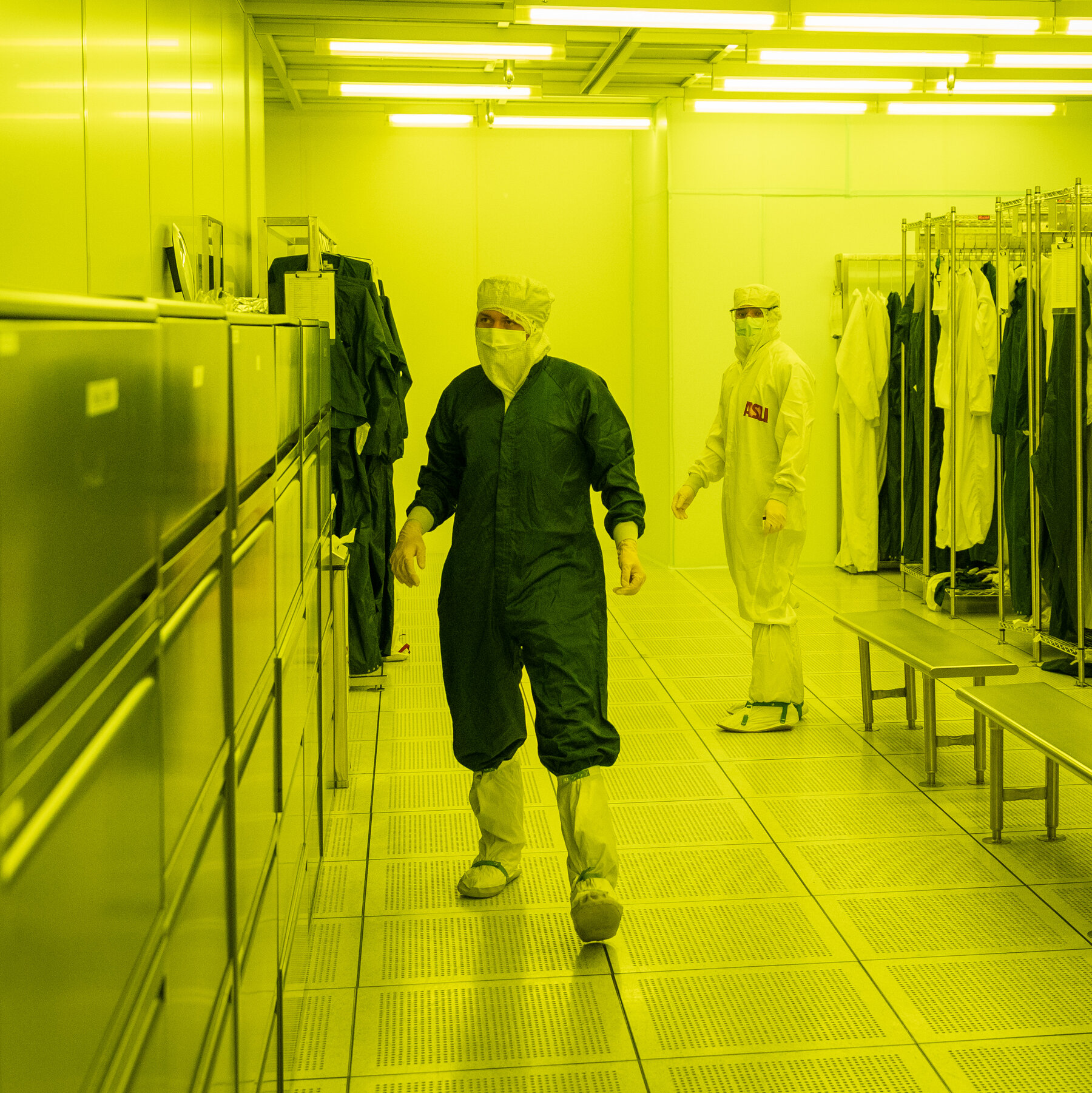
While the factories are being built, the real challenge lies in staffing them. Advanced fabs require engineers, technicians, and skilled laborers who understand complex processes such as lithography, wafer testing, and clean‑room protocols. Without a local pipeline of qualified workers, the promised economic boom could stall.
Arizona State University, the University of Arizona, and several community colleges have launched fast‑track programs aimed at semiconductor fabrication. These initiatives include:
To keep pace with industry needs, schools are adopting new teaching methods. Virtual reality labs simulate clean‑room environments, while collaborative projects with chip manufacturers allow students to work on real‑world design challenges. Faculty members are also receiving industry certifications to ensure curricula stay current.
Despite these efforts, several obstacles persist:
State officials and corporate leaders are pledging additional resources, including scholarships, grant‑funded labs, and joint research centers. If the education sector can sustain its momentum, Phoenix could not only host world‑class chip fabs but also become a national incubator for the next generation of semiconductor talent.