Aydın,
3°C
açık

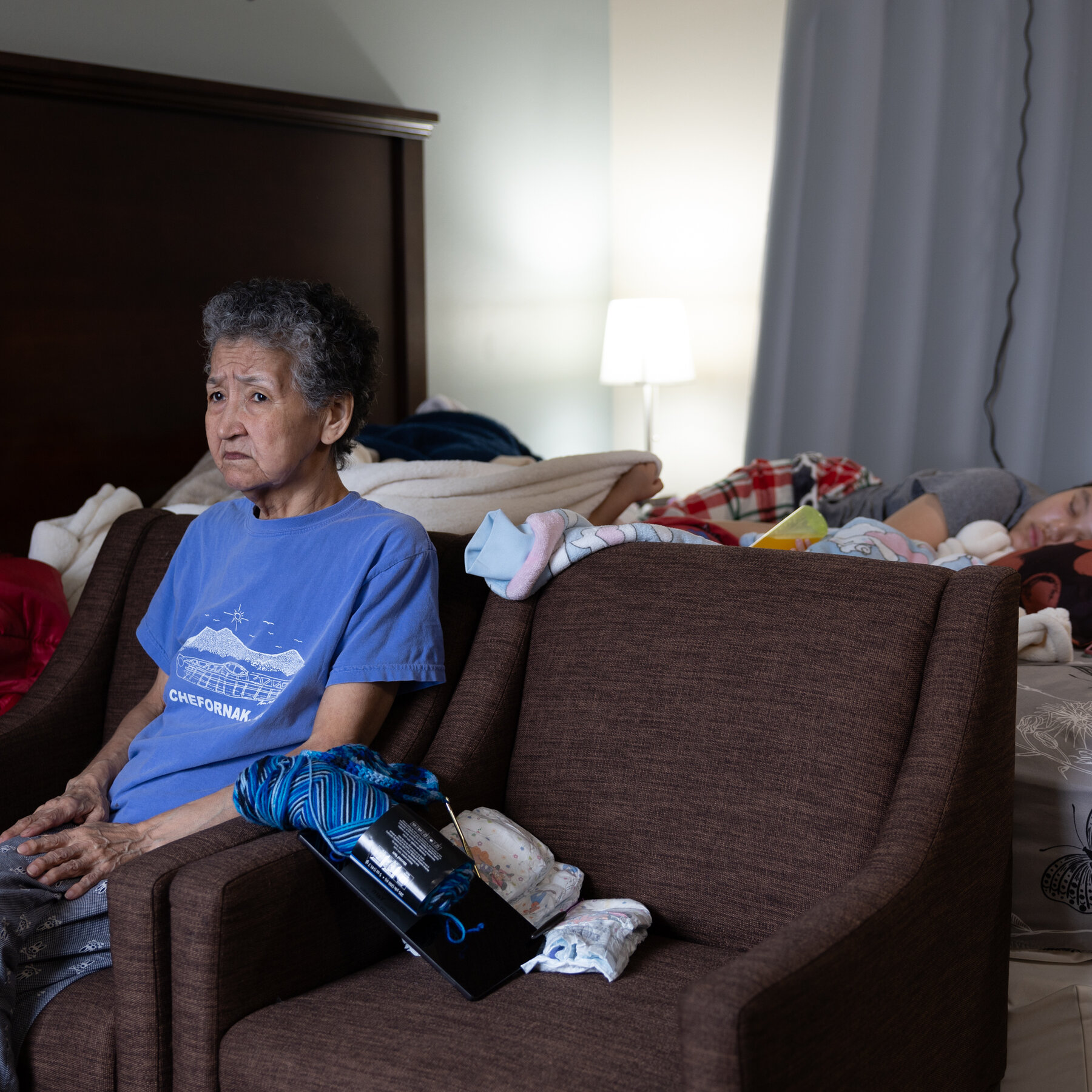
In early September, a sudden, high‑speed storm slammed into Port Alga, a remote coastal settlement on Alaska’s western shore. The wind gusts, which peaked at 85 mph, tore roofs from homes, flooded low‑lying streets, and forced the entire population of roughly 150 residents to evacuate to the nearest town of Kivalina.
When the waters receded, the village was left with collapsed structures, eroded shorelines, and a contaminated water supply. Emergency crews from the state Department of Natural Resources and the National Guard worked through the night to provide shelter, food, and medical aid. “We’ve never seen anything like this,” said Mayor Lena Qannik, who has lived in Port Alga her entire life. “Our houses are gone, but the spirit of the people is still here.”
Scientists have long warned that Arctic communities are among the most vulnerable to rising sea levels and intensifying storms. A recent study by the University of Alaska Fairbanks predicts that sea‑level rise could inundate up to 70 % of Port Alga’s land by 2050 if current trends continue. Permafrost thaw is also accelerating shoreline erosion, making the ground unstable for any future construction.
With winter approaching, the village council faces a stark choice:
“Our ancestors built this place, and we want to honor them by staying,” said Tommy Aqqalu, a fisherman who lost his boat in the storm. Conversely, “We can’t keep rebuilding a house that the ocean will swallow again,” argued Sarah Nuni, a schoolteacher who worries about the safety of her children.
The Federal Emergency Management Agency (FEMA) has earmarked $4 million for immediate relief, but long‑term reconstruction could cost upwards of $25 million. The Alaska Housing Finance Corporation has offered low‑interest loans for relocation, while several non‑profits are mobilizing volunteers to assist with “climate‑smart” rebuilding designs.
The council has scheduled a public hearing for next Tuesday, where residents will vote on a preliminary plan. Whatever the decision, the outcome will serve as a test case for dozens of other Alaskan villages facing similar threats.
Key takeaway: Port Alga’s struggle underscores the urgent need for proactive climate adaptation strategies in remote, Indigenous communities that are on the front lines of a warming world.