Aydın,
3°C
açık

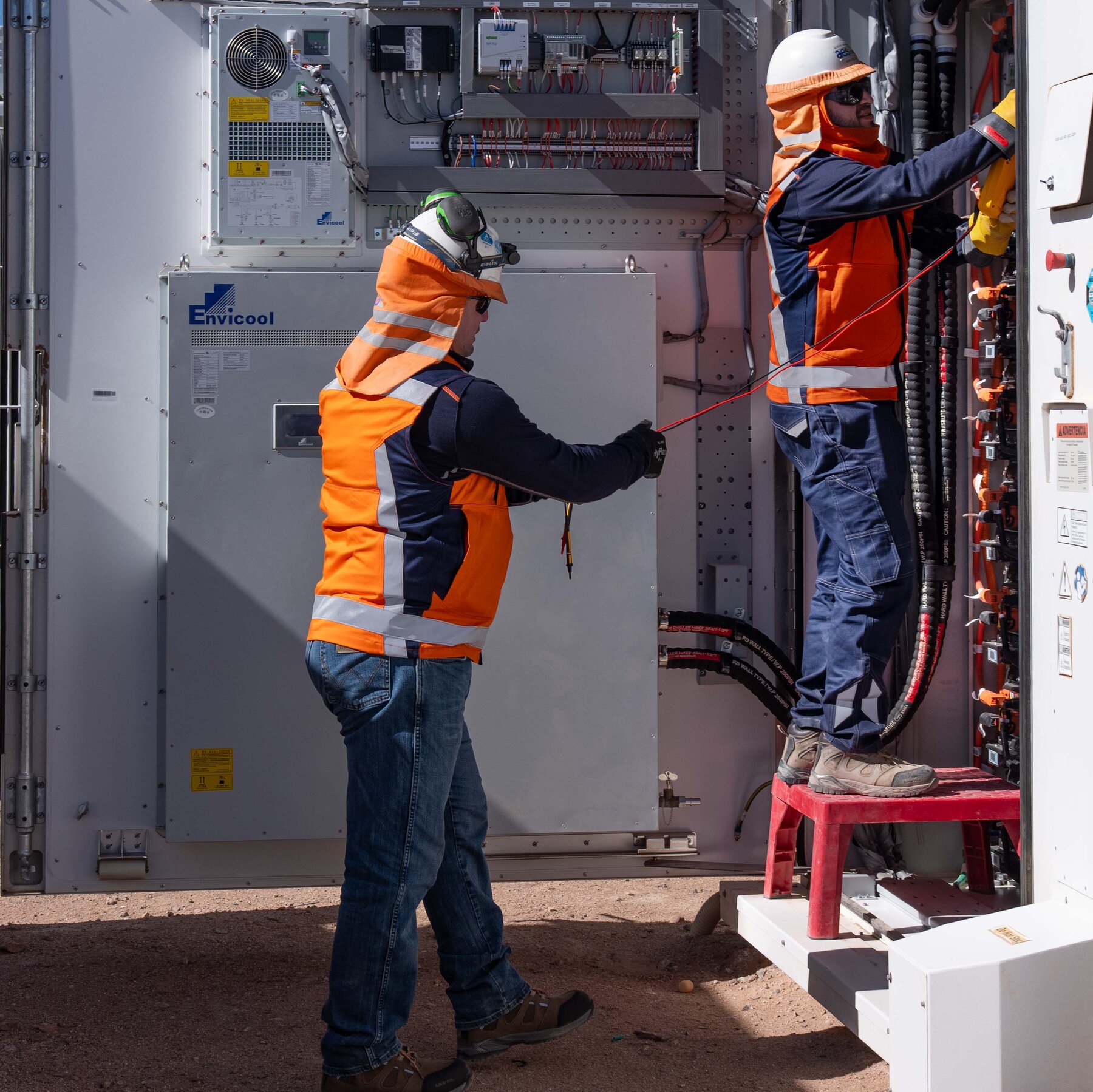
Fifteen years ago, a modest grid‑scale battery was installed in the Atacama Desert of Chile. At the time, it was a pioneering experiment—an isolated storage unit meant to smooth out the region’s wind‑generated electricity. Today, that same technology is spreading across continents, driven by a dramatic plunge in battery costs.
Between 2010 and 2024, the price of lithium‑ion storage fell by more than 80 %. Manufacturing scale‑up, advances in cell chemistry, and more efficient supply chains have all contributed to this steep decline. As a result, projects that once seemed financially untenable are now viable, even in markets with thin profit margins.
Lower‑cost storage brings several reliability benefits:
Since the Atacama pilot, dozens of large‑scale installations have gone online:
Australia now boasts the world’s biggest lithium‑ion farm, providing 300 MW of dispatchable power to the South Australian grid.
Germany has integrated over 1 GW of battery capacity, dramatically reducing curtailment of its offshore wind farms.
California relies on a network of community‑scale batteries to smooth out the “duck curve” caused by solar generation.
Analysts predict that continued cost reductions and the emergence of next‑generation chemistries—such as solid‑state and flow batteries—will further embed storage into the backbone of power systems. When electricity can be stored as cheaply as it can be produced, the grid becomes not only more reliable but also more resilient to climate‑driven extremes.
The humble Atacama installation was more than a technical curiosity; it was a glimpse of a future where batteries are as essential to the grid as generators themselves. Thanks to relentless price declines, that future is arriving faster than anyone expected, delivering cleaner, steadier power to billions of people worldwide.