
Aydın,
3°C
açık

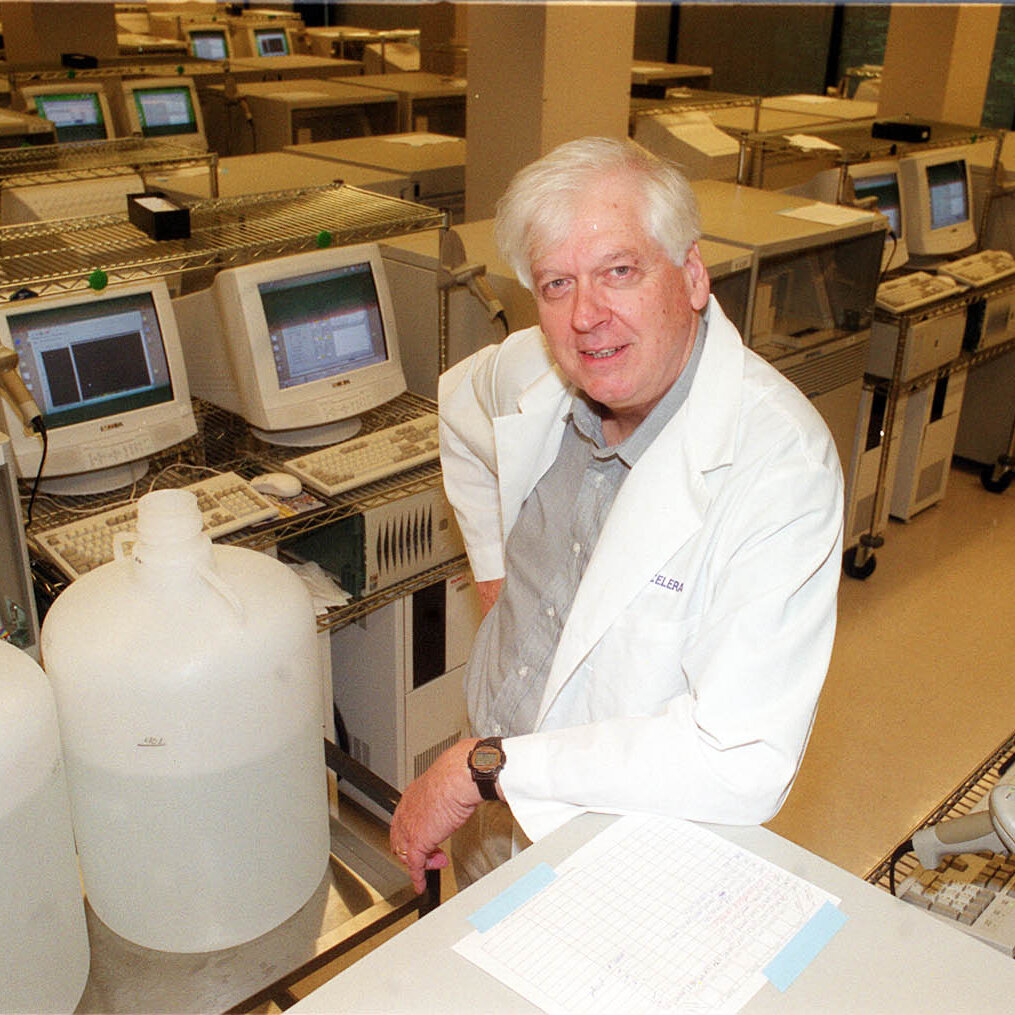
Hamilton O. Smith, the celebrated molecular biologist whose discovery of a DNA‑cutting enzyme revolutionized genetics, died on December 4, 2025 at the age of 94.
Smith’s breakthrough came in the early 1970s when he identified type II restriction endonucleases—enzymes that precisely slice DNA at specific sequences. This insight laid the foundation for recombinant DNA technology, enabling scientists to splice genes, produce synthetic insulin, and develop countless therapeutic proteins.
The significance of his work was recognized worldwide when he shared the 1978 Nobel Prize in Physiology or Medicine with Werner Arber and Daniel Nathans. The trio’s research opened the door to modern genetic engineering, paving the way for advances ranging from gene therapy to the biotech industry’s rapid growth.
Beyond his Nobel‑winning discovery, Smith served as a mentor to generations of researchers and held prominent positions at institutions such as the Johns Hopkins School of Medicine and the National Institutes of Health. He remained an active voice in science policy, advocating for responsible use of genetic tools.
Colleagues remember him not only for his scientific brilliance but also for his humility and generosity. “Hamilton’s curiosity was infectious,” said former student Dr. Maya Patel. “He taught us that asking the right question can change the world.”
Smith is survived by his wife, three children, and several grandchildren. A memorial service will be held at the Johns Hopkins campus next month, with a private family gathering to follow.
His legacy endures in every laboratory that uses restriction enzymes, in the millions of patients who benefit from biopharmaceuticals, and in the ongoing quest to decode and rewrite the language of life.







Hamilton O. Smith’in keşfi, genetik alanında devrim yarattı. Nobel ödülü alması, çalışmalarının ne kadar önemli olduğunu kanıtlıyor.