Aydın,
6°C
açık

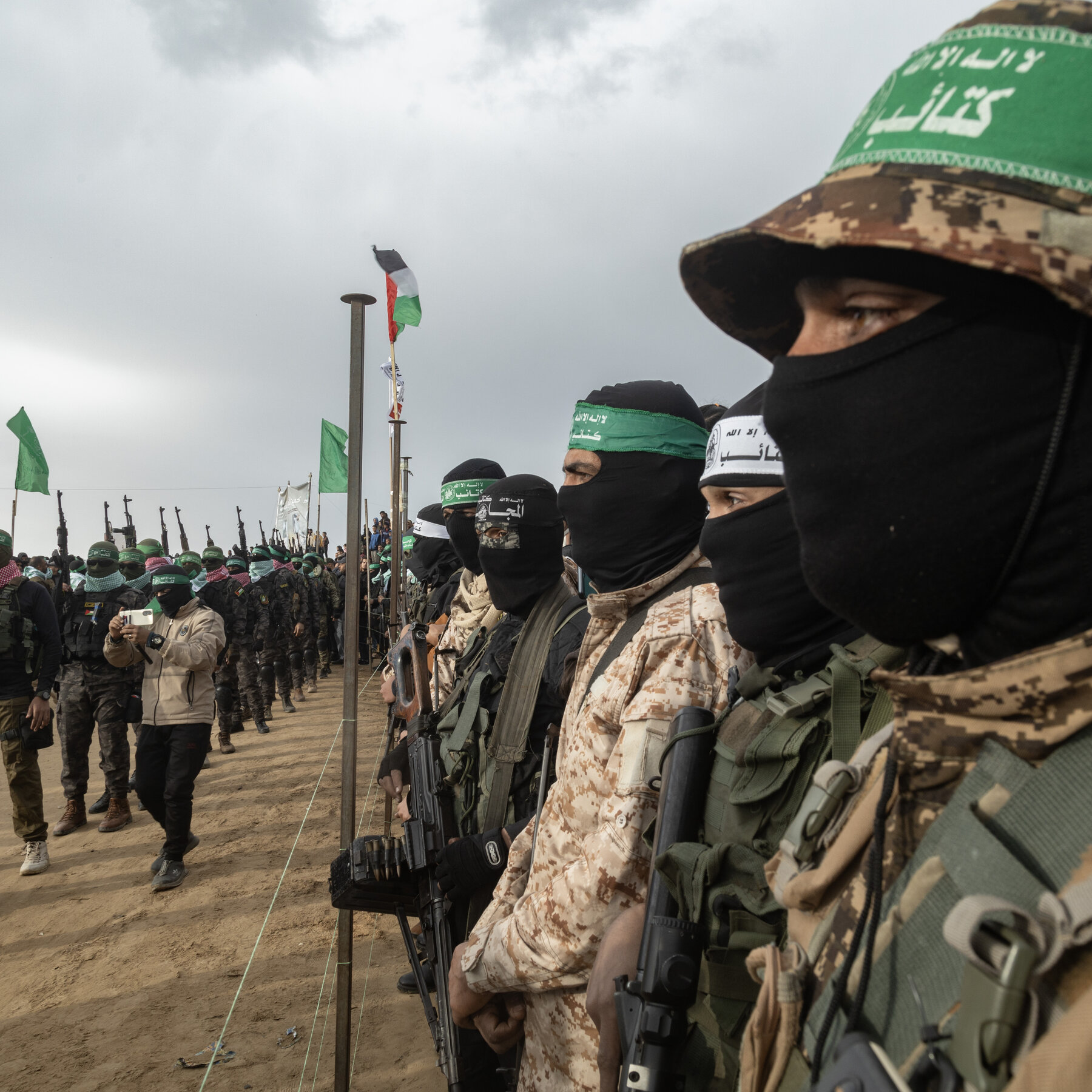
After two years of relentless fighting with Israel, the recent cease‑fire has given Hamas an unexpected window to tighten its hold on the Gaza Strip. Though the militant group has endured severe battlefield losses, its political and administrative structures remain largely intact.
The pause in hostilities has allowed Hamas to shift its focus from combat to governance. Rebuilding infrastructure, restoring essential services, and re‑establishing control over local institutions have become top priorities. Aid convoys are now able to reach neighborhoods that were previously cut off, and the organization is coordinating the distribution of food, water, and medical supplies.
Despite the heavy toll of the war, Hamas continues to present itself as the legitimate representative of Gaza’s population. “It’s still standing,” an Israeli official remarked, underscoring the group’s enduring presence even as its military capabilities are being rebuilt.
Nevertheless, the path to full recovery is fraught with obstacles. Ongoing restrictions on the movement of goods, intermittent shelling, and internal power struggles could undermine Hamas’s efforts to solidify its rule. International observers warn that without a durable political solution, the cycle of conflict may resume.
In the meantime, Hamas is methodically working day by day to re‑assert its dominance, leveraging the lull in fighting to fortify its grip on Gaza’s political and social landscape.