Aydın,
1°C
açık

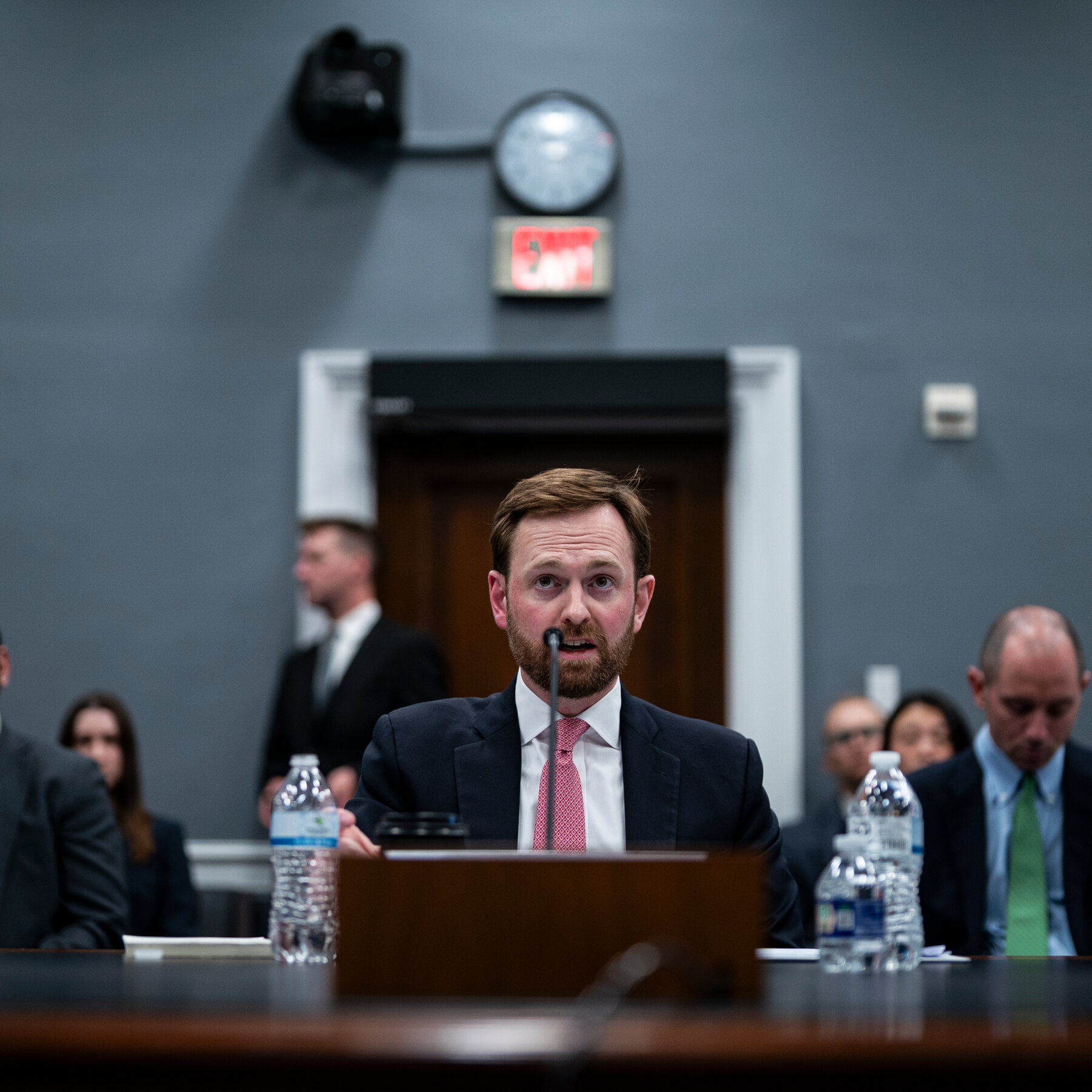
Andrew Ferguson entered the Federal Trade Commission (FTC) in 2018 as a senior attorney in the Office of the General Counsel. A former Republican operative with close ties to the Trump administration, Ferguson quickly became known for his aggressive stance on “consumer protection” that aligned with the President’s political agenda.
In early 2020, President Donald Trump nominated Ferguson to the FTC’s three‑member commission, emphasizing his “law‑and‑order” approach to market regulation. The Senate confirmed him by a narrow 52‑48 vote, largely along party lines. Upon taking office, Ferguson was elevated to the chairmanship, granting him significant control over the agency’s agenda and investigative priorities.
Once at the helm, Ferguson redirected the FTC’s consumer‑protection mandate toward issues that resonated with Trump’s base:
Under Ferguson’s leadership, the FTC opened several high‑visibility probes:
Social‑Media Bias Probe – A controversial study into whether platforms like Twitter and Facebook suppressed conservative content. Critics argued the investigation was politically motivated and lacked a clear consumer‑harm framework.
Consumer Data Privacy Review – While the FTC traditionally focuses on data security, Ferguson framed the review as a “national‑security” issue, tying it to concerns about Chinese tech firms.
“Buy American” Advertising Audit – The commission examined advertising practices of multinational corporations, suggesting they mislead U.S. consumers about product origins.
The pivot sparked fierce debate:
Several of Ferguson’s initiatives have faced legal challenges. A coalition of consumer rights NGOs filed a lawsuit alleging that the social‑media bias probe exceeded the FTC’s statutory authority. Meanwhile, the House Committee on the Judiciary announced a series of hearings to examine whether the FTC’s actions under Ferguson align with the agency’s founding legislation.
With the 2024 elections looming, Ferguson’s tenure is likely to remain a flashpoint in the broader battle over the FTC’s role in American politics. Whether his approach will endure beyond the Trump era or be reversed by a future administration remains uncertain, but the debate over the agency’s independence has undeniably been thrust into the national spotlight.