Aydın,
6°C
açık

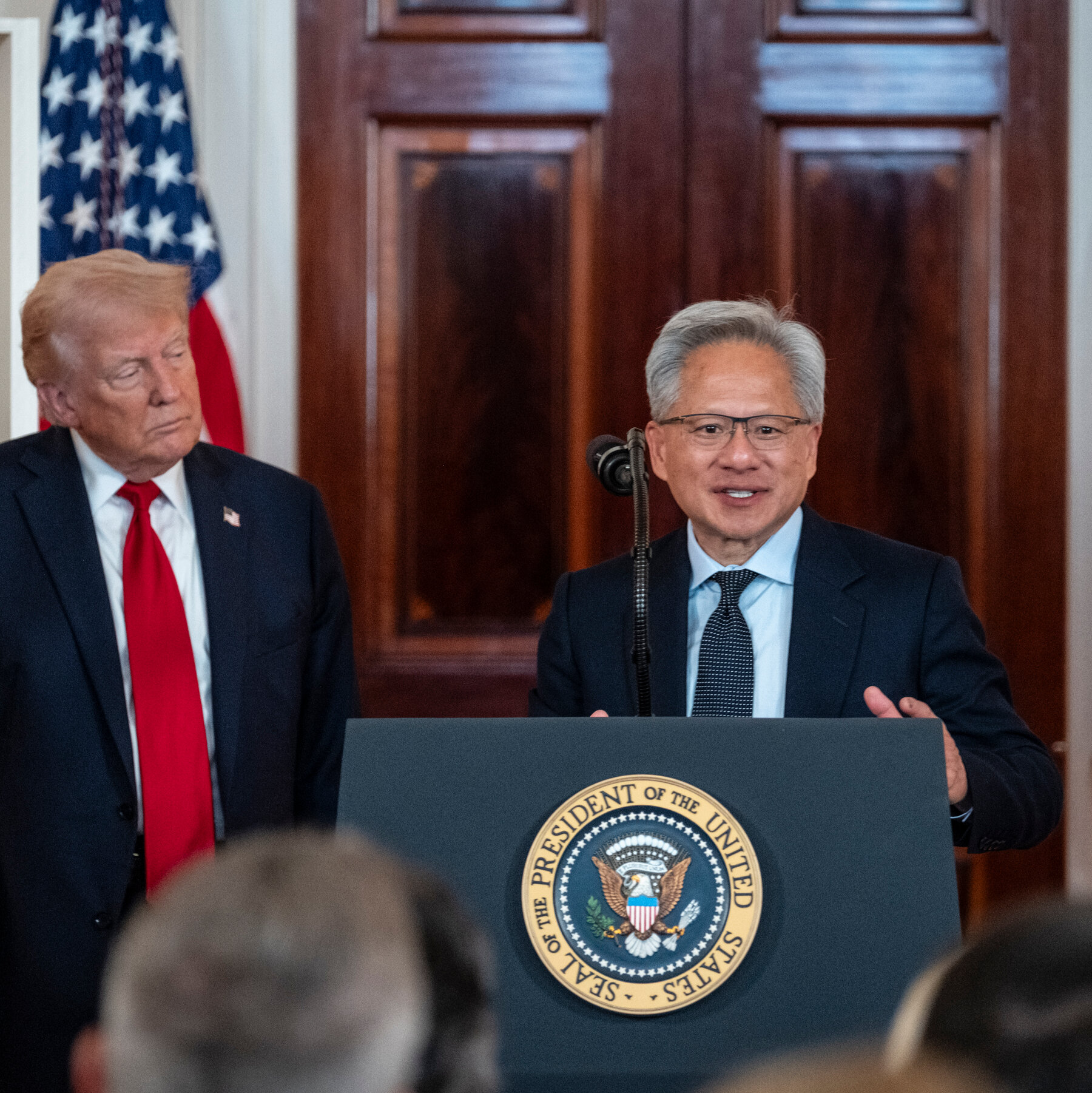
President Donald Trump’s recent policy shift fulfills a long‑standing ambition of the semiconductor giant Nvidia. By easing restrictions on the export of advanced AI chips to China, the administration has opened a lucrative market that Nvidia has been courting for years.
Despite the apparent win for the chipmaker, the move has ignited fierce debate on Capitol Hill. Lawmakers from both parties warn that loosening controls could undermine national security by giving China access to technology that powers sophisticated military and surveillance systems. Congressional hearings are already scheduled to scrutinize the decision and assess its long‑term implications.
In Beijing, the response is mixed. While Chinese officials have welcomed the opportunity to acquire cutting‑edge hardware, they remain wary of potential retaliatory measures from the United States. Industry insiders note that regulatory uncertainty and possible future sanctions could dampen the enthusiasm of Chinese tech firms eager to integrate Nvidia’s GPUs into their AI platforms.
The immediate benefit for Nvidia is clear: a potential surge in sales and a stronger foothold in one of the world’s largest markets. However, the company must navigate a complex landscape of geopolitical tension, shifting trade policies, and the risk of becoming a pawn in a larger strategic rivalry. Analysts caution that the long‑term payoff will depend on how quickly Nvidia can adapt to evolving regulations and whether Washington’s concerns are addressed through robust oversight mechanisms.
While Nvidia’s lobbying efforts have secured a short‑term triumph, the broader outcome remains uncertain. The chipmaker’s success will hinge on its ability to balance commercial ambitions with the political realities shaping US‑China technology relations.