Aydın,
3°C
açık

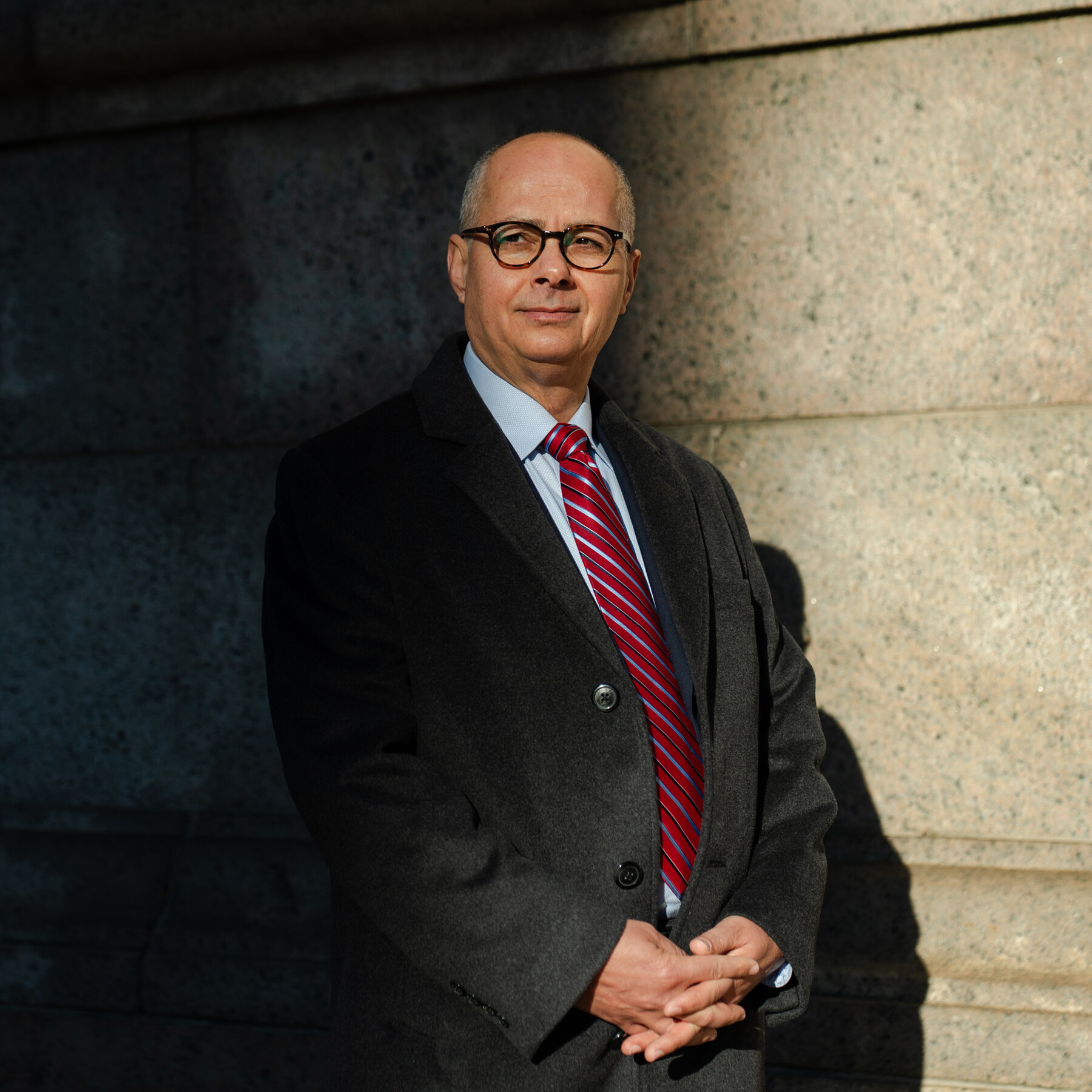
In an unprecedented year for American science, three immigrants were awarded Nobel Prizes in the United States. Dr. Maya Patel, a biochemist born in India, received the Nobel Prize in Chemistry for her groundbreaking work on enzyme engineering. Professor Luis García, a physicist who emigrated from Mexico, was honored with the Nobel Prize in Physics for his contributions to quantum optics. Finally, Dr. Amina El‑Sayed, originally from Egypt, shared the Nobel Prize in Physiology or Medicine for her pioneering research on gene‑editing therapies.
Since the beginning of the year, the Trump administration has introduced a series of immigration restrictions aimed at tightening visa eligibility, reducing the number of H‑1B visas, and increasing scrutiny on green‑card applicants. Critics argue that these measures “undermine the very foundation of American innovation”, as they limit the flow of talent that has historically driven breakthroughs in science and technology.
Leading scholars and industry leaders are sounding the alarm. Dr. Evelyn Chen, director of the Center for Global Talent at Stanford University, cautioned: “If we close the doors to the world’s brightest minds, we risk losing future Nobel laureates and the economic growth that follows their discoveries.” Similarly, the American Association for the Advancement of Science released a statement noting that the new policies could “reverse decades of progress in research collaboration and knowledge exchange.”
While the administration argues that the rules protect American jobs, many economists point to data linking immigrant scientists to higher patent rates, increased venture‑capital investment, and the creation of high‑paying jobs. A recent study from the Brookings Institution found that immigrant researchers are 30% more likely to produce high‑impact publications than their native‑born counterparts.
As the nation celebrates the achievements of Patel, García, and El‑Sayed, the looming policy changes pose a critical question: will the United States continue to be a magnet for the world’s most talented innovators, or will it risk a future where the next Nobel Prize slips through its doors?