Aydın,
10°C
parçalı bulutlu

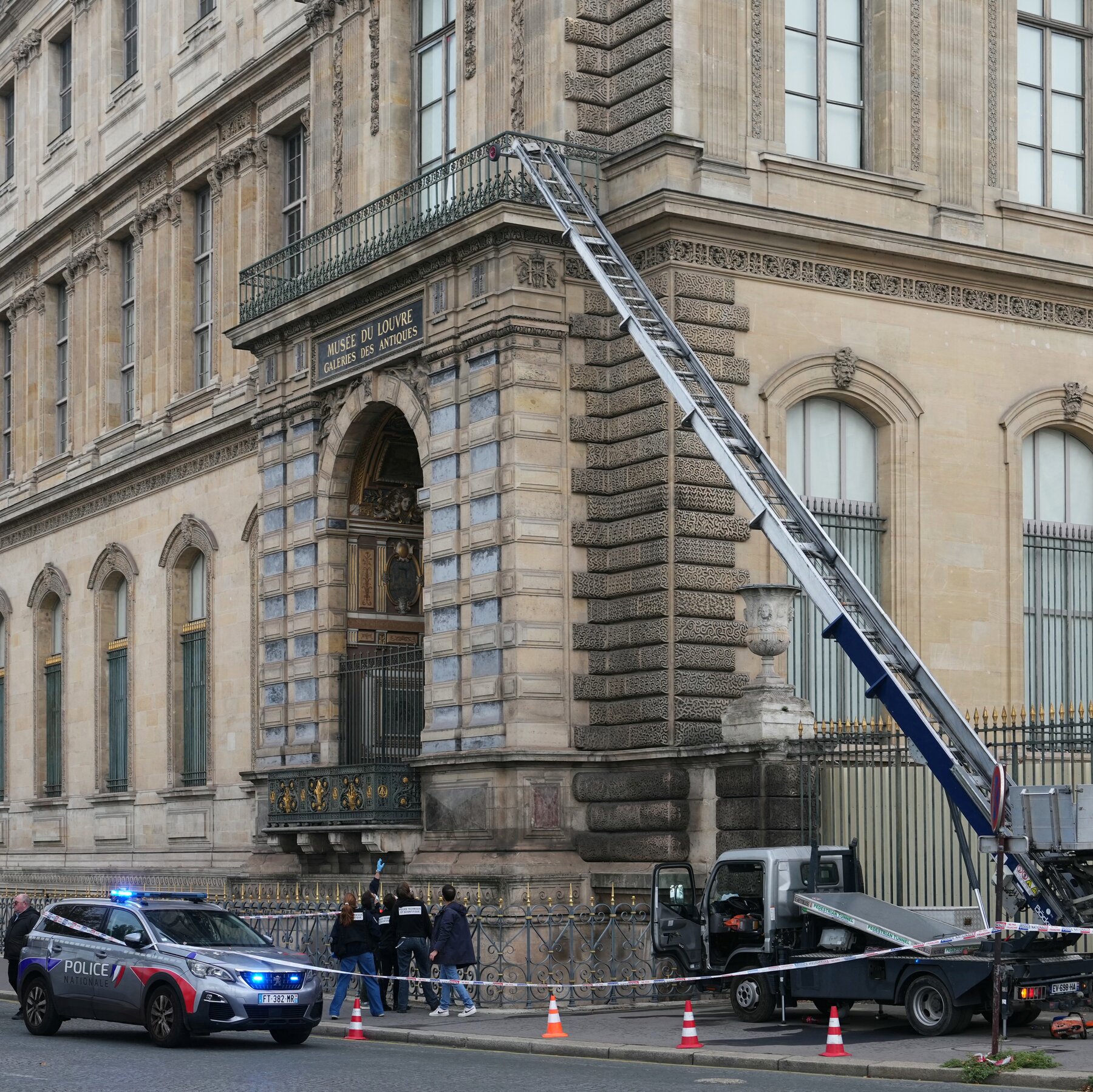
French investigators have disclosed that a surveillance camera inside the Louvre captured the moments when a group of thieves began preparing to breach the museum’s collection. The footage shows the perpetrators moving equipment, testing door locks, and coordinating their approach—all while the camera continued to record.
According to the police report, museum security personnel failed to monitor the live feed in real time, allowing the suspects to advance unchecked. The delay in reviewing the footage meant that the alarm was raised only after the intruders had already entered the restricted area.
The Louvre’s director, Claude Miller, previously asserted that the camera in question was oriented toward a hallway unrelated to the crime scene, rendering it useless for the investigation. New analysis, however, demonstrates that the lens was pointed directly at the entrance where the thieves assembled, contradicting the former statement.
This revelation has sparked a debate about the adequacy of surveillance protocols at cultural institutions. Experts warn that without continuous monitoring, even the most advanced camera systems cannot prevent theft, emphasizing the need for better staff training and real‑time response mechanisms.