Aydın,
16°C
kapalı

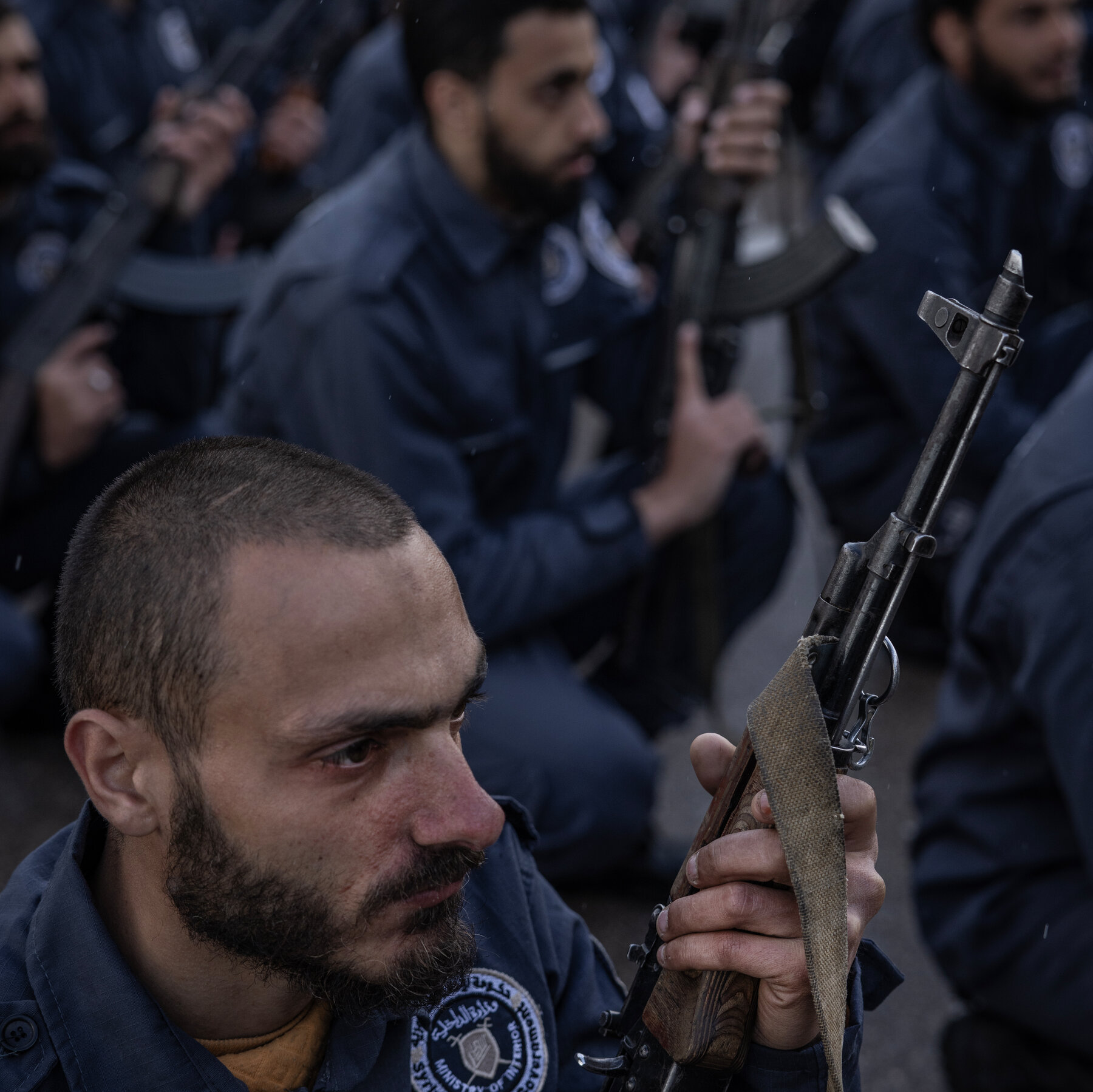
Since the end of the civil war, the Syrian government has embarked on an ambitious project to reconstruct its armed forces from the ground up. The new strategy emphasizes the recruitment of individuals who have demonstrated unwavering loyalty to President Bashar al‑Assad, coupled with an intensified focus on religious education within the ranks.
Opposition analysts and former military officers argue that this approach is undermining the army’s operational readiness. They contend that prioritising loyalty and religious doctrine over professional training and meritocracy is delaying the development of a competent, modern fighting force. “We are seeing a parade of ideologically aligned soldiers who lack the tactical expertise required for contemporary warfare,” one critic remarked.
The Ministry of Defense defends the policy, stating that a “strong moral foundation” is essential for cohesion in a post‑conflict environment. Officials claim that integrating religious teachings helps to foster unity and discipline, which they believe are critical for the army’s long‑term stability.
If the criticisms prove accurate, Syria could face a prolonged period of military weakness, potentially inviting external pressure and internal dissent. Conversely, supporters argue that a loyal, ideologically motivated force may prove more reliable in safeguarding the regime against insurgent threats.
The coming months will be decisive as the government rolls out new training programs and attempts to balance ideological loyalty with the need for professional competence. International observers will be watching closely to see whether Syria can successfully rebuild a force capable of defending its borders while maintaining internal stability.