Aydın,
16°C
kapalı

The conflict between Thailand and Cambodia has broadened in recent weeks, raising concerns about the effectiveness of President Donald Trump’s “tariff diplomacy.”
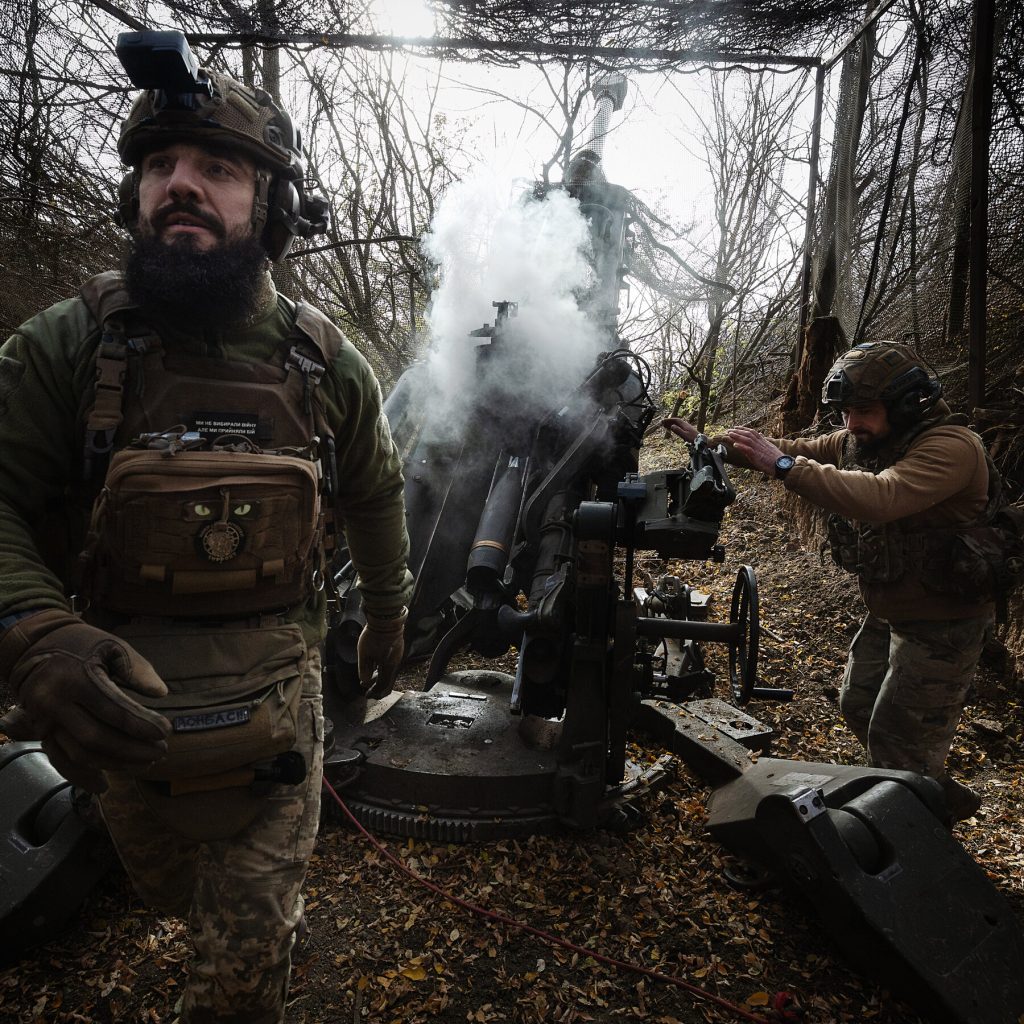
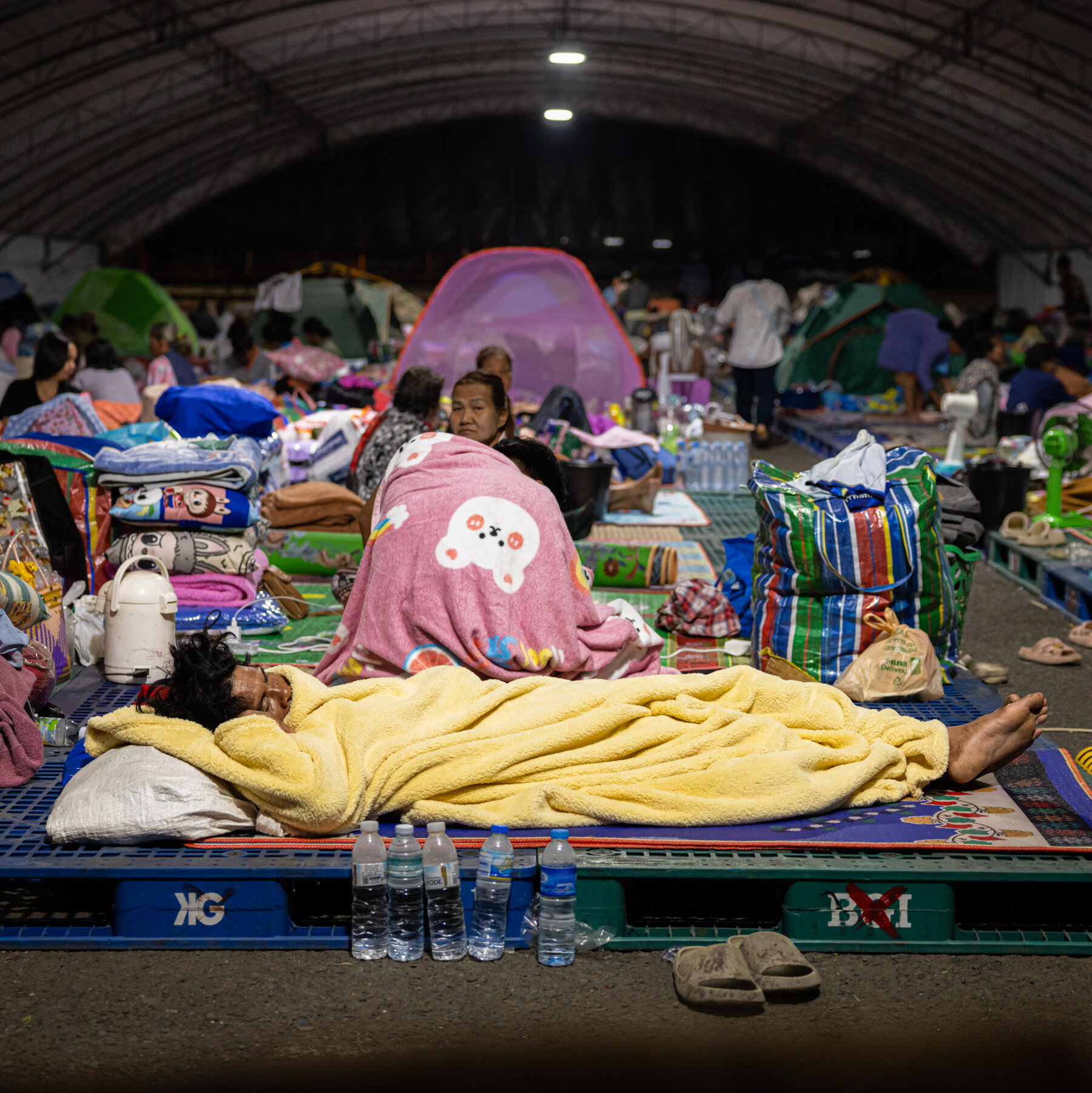
Both governments have exchanged artillery fire along disputed border areas, and civilian casualties are mounting. The fighting now extends beyond isolated skirmishes, involving regular troops, militia groups, and cross‑border raids.
U.S. officials warn that the widening war could undermine the president’s strategy of using trade penalties as a bargaining chip for peace. Trump has repeatedly claimed that his tariff threats can compel regional rivals to negotiate, but the rapid escalation in Southeast Asia challenges that narrative.
Regional analysts note that the dispute stems from long‑standing disagreements over the Mekong River watershed and historical claims to border villages. As the hostilities intensify, neighboring countries and the Association of Southeast Asian Nations (ASEAN) are urging both sides to return to diplomatic talks.
With a high‑level telephone call scheduled between President Trump and the leaders of Thailand and Cambodia, the world will be watching to see whether the United States can still leverage economic pressure to de‑escalate the situation.