Aydın,
16°C
kapalı

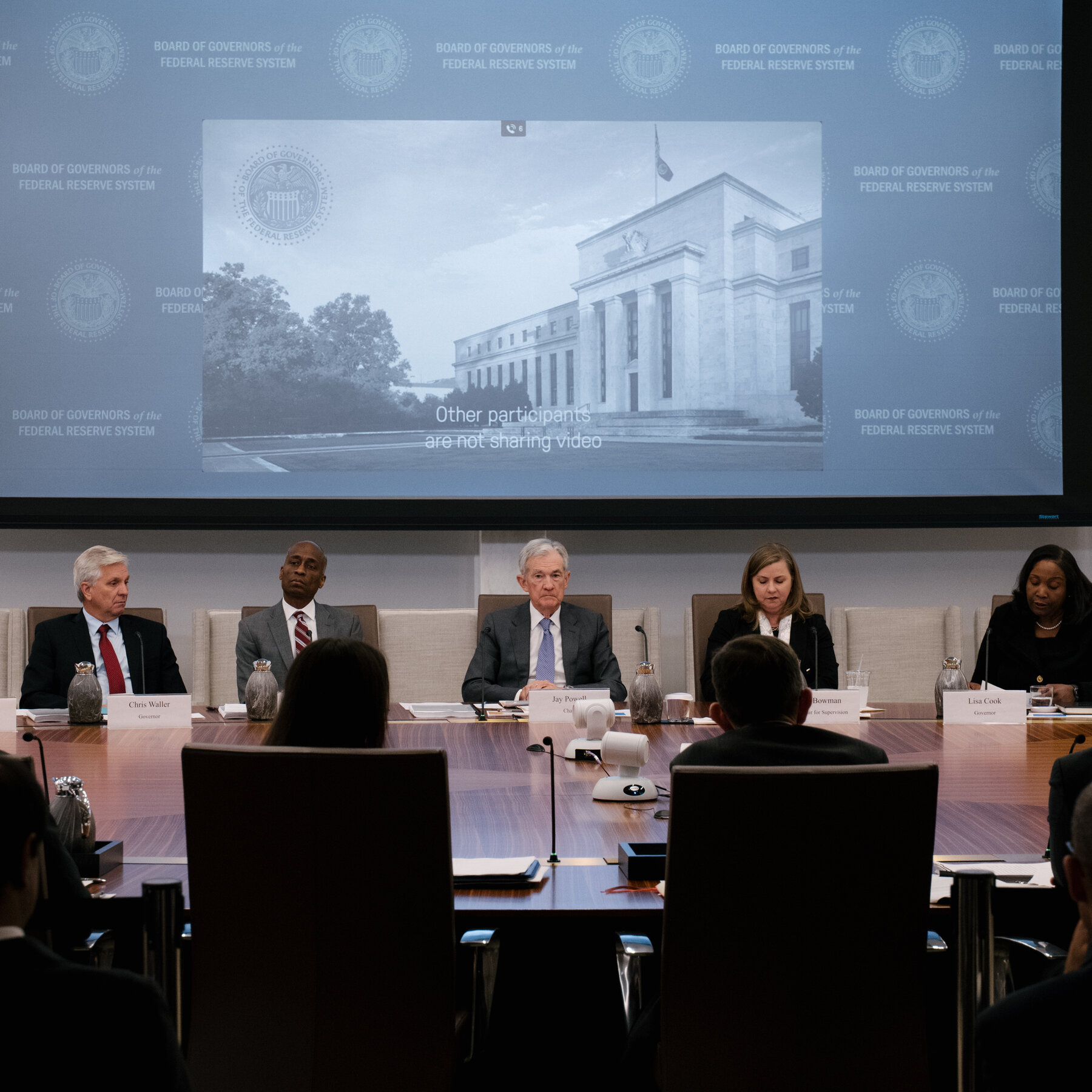
President Donald Trump has repeatedly called for substantially lower borrowing costs, arguing that cheaper credit will boost growth and job creation. Yet senior officials at the Federal Reserve appear poised to push back, insisting that any further rate cuts must be justified by the broader economic environment.
Trump’s administration believes that reducing the federal funds rate will:
Within the Fed, a growing faction warns that premature cuts could:
Several board members have stressed the need for data‑driven decisions, pointing to recent mixed signals in employment, consumer confidence, and global supply‑chain pressures.
The individual who eventually succeeds Jerome Powell will inherit a delicate balancing act. The new chair must:
Failure to manage these competing demands could intensify the already evident split within the institution.
Analysts suggest that the Fed is likely to adopt a “wait‑and‑see” approach, holding rates steady while closely monitoring inflation trends, wage growth, and the pace of economic recovery. Any shift toward additional cuts will probably require a clear, sustained slowdown in key indicators.
In the meantime, the tension between the President’s fiscal ambitions and the central bank’s prudence will remain a focal point of policy discussions, shaping the narrative for the next Fed chair’s tenure.