Aydın,
3°C
açık

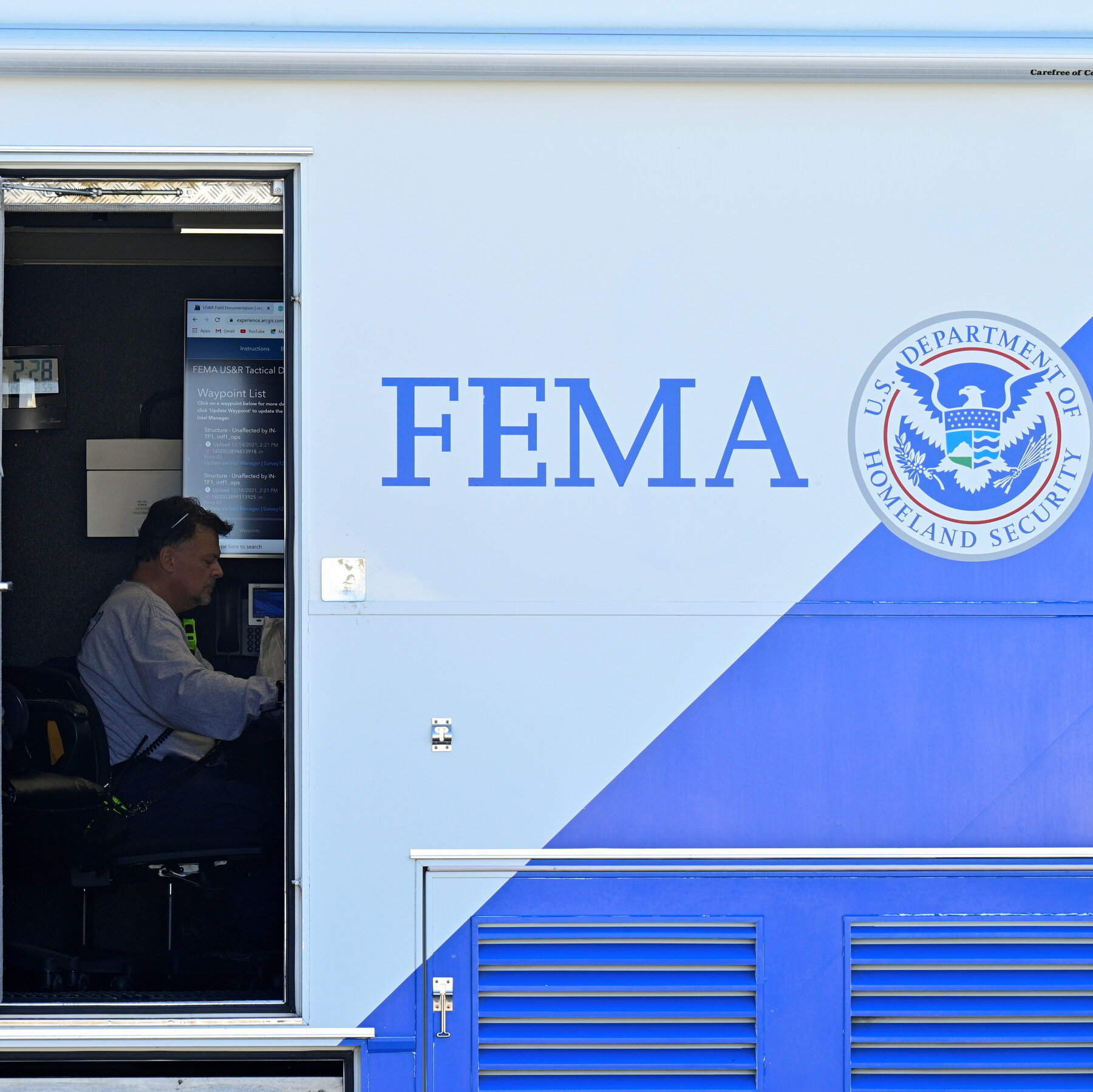
The independent review panel, appointed during the Trump administration, was slated to deliver a comprehensive road map for reform at the Federal Emergency Management Agency (FEMA). After months of internal turbulence and public scrutiny, many anticipated that the report would outline concrete steps to strengthen the agency’s disaster‑response capabilities.
According to sources close to the panel, the decision to postpone the release was made abruptly due to unresolved disagreements among the members regarding the scope of the proposed changes. Some members argued that the recommendations needed further data to ensure they would be both effective and legally sound, while others pushed for a quicker rollout to address mounting criticism of FEMA’s recent performance.
State emergency officials expressed disappointment, noting that the delay hampers their ability to plan for upcoming hurricane and wildfire seasons. “We were counting on clear guidance from the federal level,” said a spokesperson for the National Association of State Emergency Directors. Meanwhile, congressional leaders called for greater transparency, urging the panel to set a firm deadline for the report’s publication.
If the panel eventually issues its recommendations, they could lead to significant changes, including:
However, the current postponement leaves these possibilities in limbo, prolonging uncertainty for both policymakers and communities that rely on FEMA’s support.
Observers suggest that the panel will reconvene within the next few weeks to resolve its internal disputes. Until then, the agency’s ability to adapt to evolving climate threats remains under a cloud of doubt, underscoring the urgent need for decisive action.