Aydın,
3°C
açık

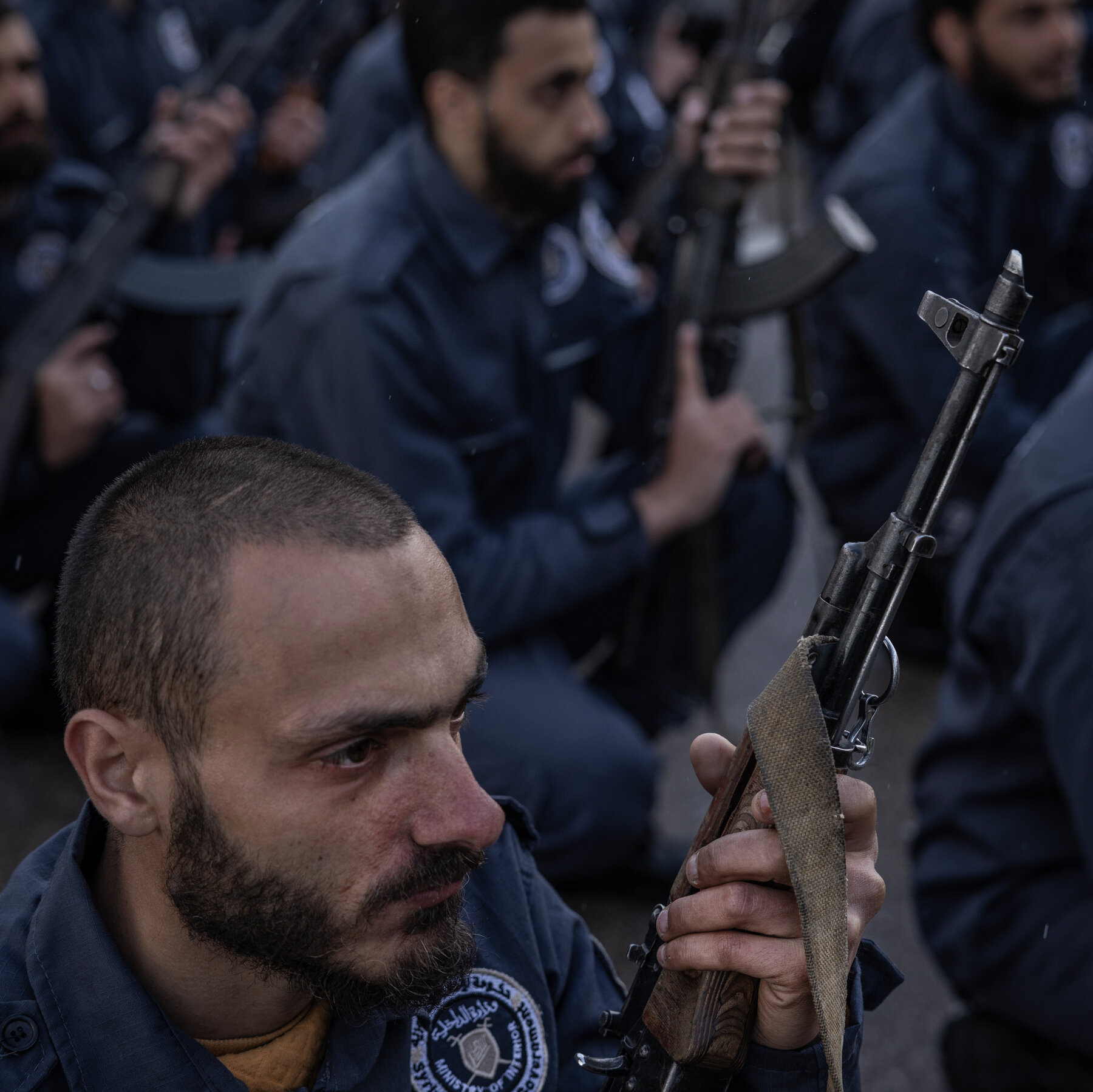
Since the end of the civil war, the Syrian Arab Republic has been tasked with rebuilding its armed forces from the ground up. The once‑large, fragmented military has been reduced to a skeletal structure, prompting the government to recruit new personnel, refurbish equipment, and reshape its command hierarchy.
One of the most noticeable trends in the reconstruction effort is the heavy reliance on loyalist units that remained faithful to President Bashar al‑Assad throughout the conflict. Former militia commanders, members of the National Defence Forces, and veterans of the Syrian Arab Army’s elite brigades have been given priority in recruitment drives and promotion pathways. The regime argues that these individuals provide the necessary trust and cohesion required to restore operational readiness quickly.
Parallel to the militaristic focus, the government has intensified the integration of religious instruction into training programs. New curricula emphasize Islamic values, framing the army’s mission as a defensive jihad against external aggression and internal subversion. Chaplains and religious advisers now accompany units on the field, delivering sermons that link personal piety with patriotic duty. Critics claim this approach blurs the line between state and religion, potentially weaponizing faith for political ends.
Human‑rights groups and opposition analysts warn that the current strategy is hobbling long‑term military preparedness. They point out several shortcomings:
These factors, they argue, could leave the Syrian military vulnerable to both internal dissent and external threats.
Despite the challenges, the Assad regime remains confident that a faith‑infused, loyalty‑driven force will secure its grip on power and deter foreign intervention. The coming months will reveal whether this model can deliver a capable, modern army or whether the criticisms will prove prescient, forcing a strategic rethink in Syria’s path to military recovery.