Aydın,
3°C
açık

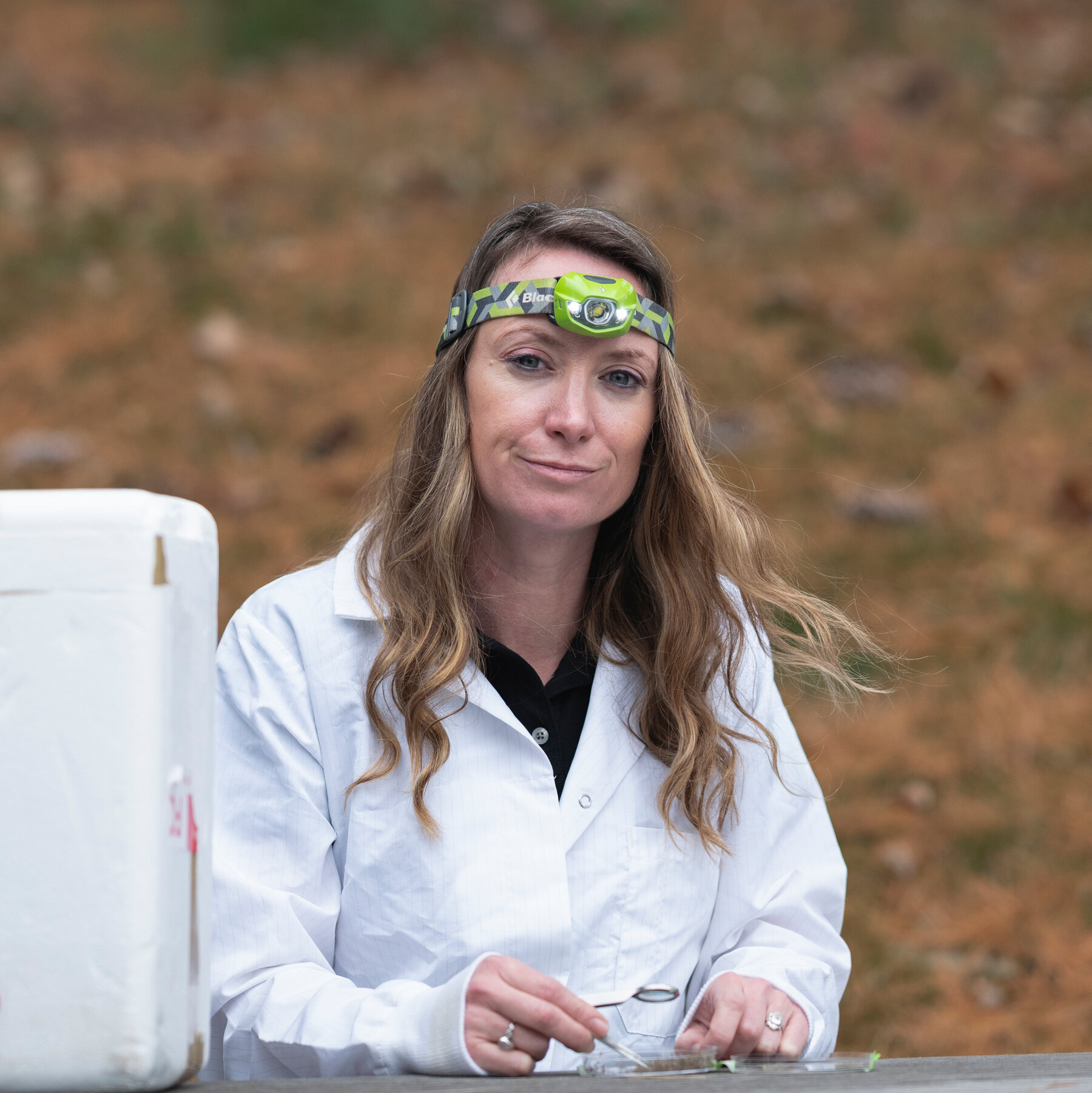
For more than a decade, Jenny Carlson Donnelly dedicated her career to battling malaria by studying the very insects that transmit the disease. Her work took her from the humid swamps of sub‑Saharan Africa to remote villages in Southeast Asia, where she collected and tested mosquito populations to identify the most effective control strategies.
During her missions, Donnelly’s team discovered a previously unknown resistance pattern in Anopheles mosquitoes, prompting a rapid redesign of insecticide‑treated nets. The new approach, rolled out in partnership with local health ministries, is credited with reducing malaria incidence by up to 30 % in several high‑risk regions.
In early 2024, Donnelly was appointed as a senior technical advisor at the United States Agency for International Development (USAID), where she was expected to shape global malaria‑control policies. However, just months into the role, she was unexpectedly terminated. Official statements cited “organizational restructuring,” while insiders suggest the decision may be linked to internal disagreements over the implementation of her research findings.
Despite the setback, Donnelly remains committed to eradicating malaria. She has announced plans to launch an independent consultancy focused on vector‑control innovation, aiming to continue her work outside the constraints of large bureaucracies.
Key takeaways: