Aydın,
1°C
açık

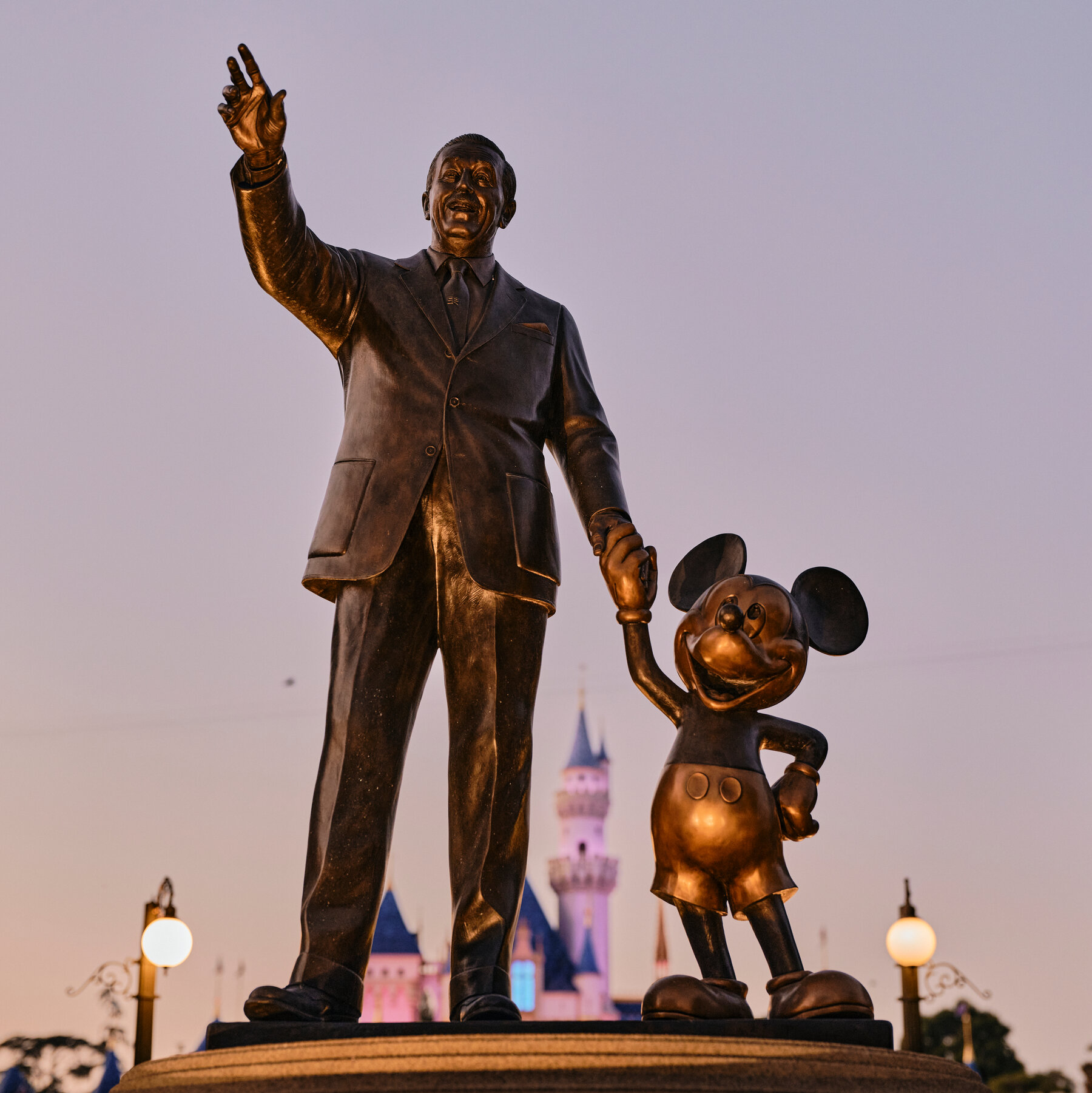
Disney has entered a landmark partnership with OpenAI that will allow the studio’s beloved characters—Mickey Mouse, Elsa, Iron Man and dozens more—to appear in videos created with the company’s new generative‑AI tool, Sora. Under the terms of the deal, Disney will license its intellectual property for use in Sora’s text‑to‑video platform, while retaining strict control over how the characters are portrayed.
The agreement marks the first time a major Hollywood studio has officially sanctioned the use of its flagship IP in a large‑scale AI‑generated content service. Industry analysts say the move could set a precedent for how studios negotiate with AI developers, balancing potential revenue streams against concerns about brand dilution and creative integrity.
Proponents argue that the collaboration opens up new storytelling possibilities. Independent creators could now craft short films, marketing clips, or educational videos featuring Disney characters without the need for costly animation studios. Disney, in turn, expects to tap into fresh audiences and generate licensing fees from a rapidly expanding market.
Critics warn that generative AI could be misused to produce deep‑fake content or narratives that conflict with Disney’s family‑friendly image. To mitigate these risks, the contract includes:
“This partnership shows that the entertainment world can work hand‑in‑hand with AI innovators, provided we put the right safeguards in place,” said Emily Rivera, a senior analyst at Media Futures. Meanwhile, the Screen Actors Guild‑American Federation of Television and Radio Artists (SAG‑AFTRA) has called for broader discussions on how AI‑generated performances might affect creators’ rights and compensation.
Both companies say the deal is just the beginning. Future phases may expand the licensing to include Disney’s extensive library of music, theme‑park experiences, and even upcoming Marvel and Star Wars titles. As the line between human‑crafted and AI‑crafted media continues to blur, the Disney‑OpenAI collaboration could become a blueprint for the next era of content creation.