Aydın,
1°C
açık

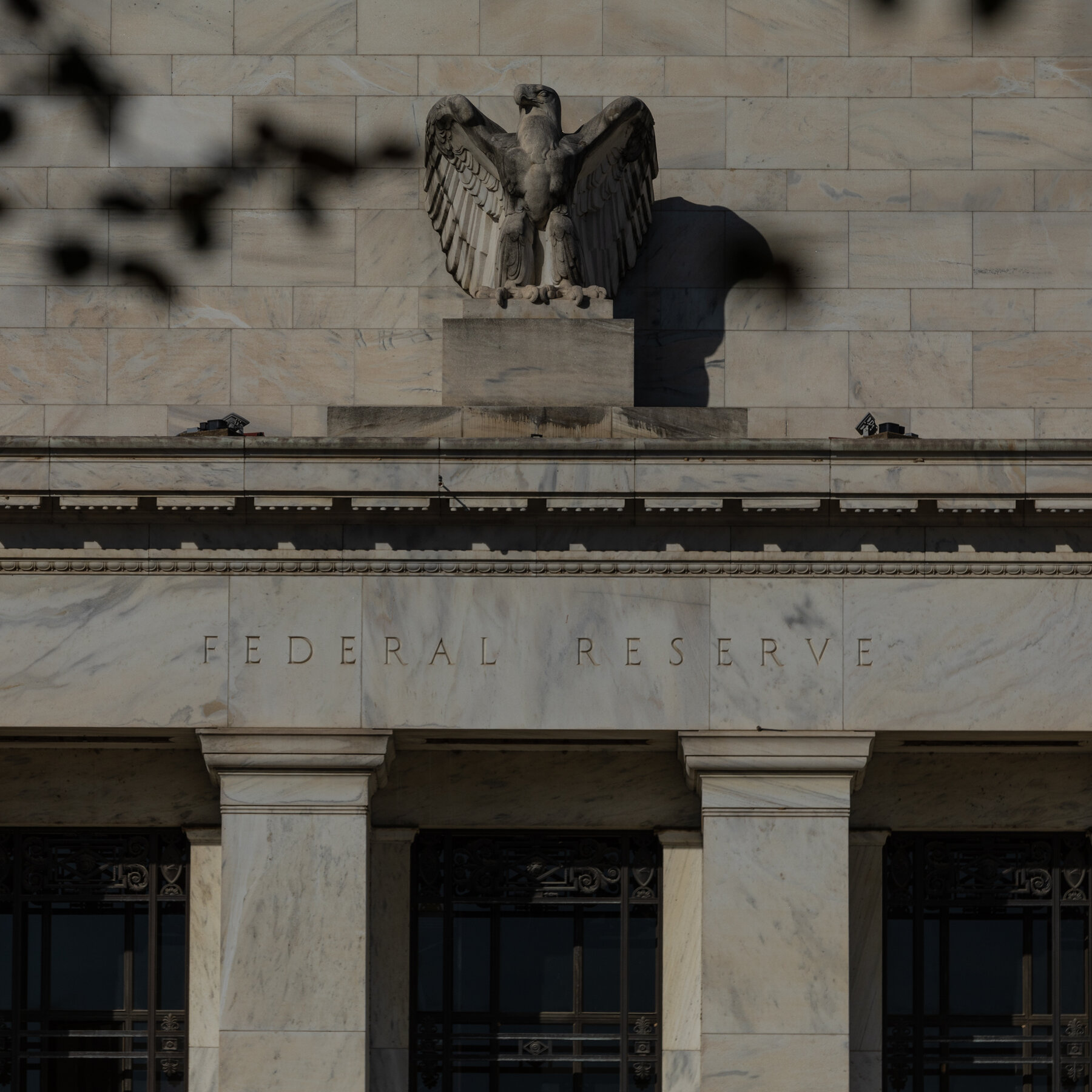
In 1951, the United States Treasury and the Federal Reserve reached a landmark agreement that restored the central bank’s ability to set monetary policy without direct political interference. The Treasury‑Fed Accord marked a decisive break from the wartime era, when the Fed was obligated to keep interest rates low to finance government deficits.
Recent statements from officials in the Trump administration have raised concerns that the executive branch is once again attempting to sway the Federal Reserve’s decisions. Critics argue that these remarks undermine the independence that the 1951 accord was designed to protect.
Economic analysts stress that a central bank free from political pressure is better positioned to combat inflation, maintain stable financial markets, and preserve public confidence. When policymakers are perceived as subject to political whims, the credibility of monetary policy can suffer, leading to higher borrowing costs and market volatility.
History shows that attempts to compromise the Fed’s autonomy often backfire. The 1970s, for example, saw intense political pressure that contributed to soaring inflation and a loss of confidence in monetary policy. The 1951 accord was a corrective measure that helped restore credibility—a lesson that remains relevant today.
Observers are watching closely to see whether the current administration will respect the boundaries established by the 1951 agreement. The ongoing debate underscores a timeless truth: the health of the U.S. economy depends on a central bank that can act independently, guided by data rather than political agendas.