Aydın,
8°C
açık

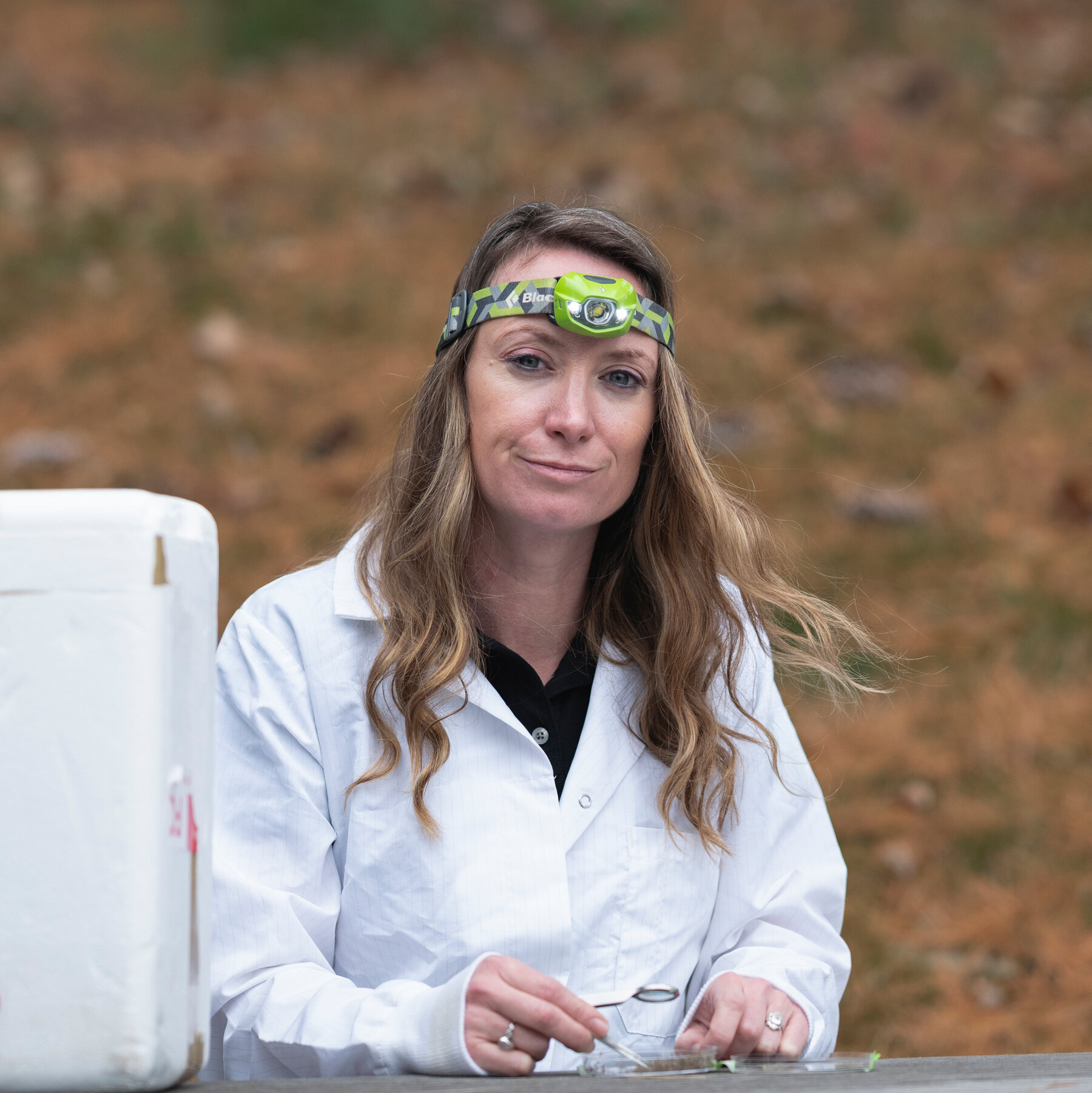
Jenny Carlson Donnelly spent the last decade traveling to some of the world’s most malaria‑burdened regions, from the river valleys of the Democratic Republic of Congo to remote villages in Myanmar. Armed with a portable laboratory and a team of local entomologists, she collected and analyzed mosquito populations to identify the species most responsible for transmitting Plasmodium falciparum, the parasite that causes the deadliest form of malaria.
Her work helped refine vector‑control strategies, leading to the deployment of targeted insecticide‑treated nets and larval‑source management programs that reduced infection rates by up to 30 % in several pilot districts. The results were hailed by the global health community and earned her invitations to speak at the World Health Organization’s annual assembly.
In 2022, USAID recruited Donnelly as a senior technical advisor for its Malaria Innovation Initiative. In this capacity, she was tasked with translating field data into scalable interventions, coordinating with ministries of health, and overseeing a $45 million grant aimed at accelerating the rollout of next‑generation mosquito control tools across sub‑Saharan Africa.
During her tenure, she championed the integration of gene‑drive technology trials and advocated for stronger community‑engagement frameworks, arguing that “lasting malaria elimination depends as much on cultural trust as on scientific breakthroughs.”
In early March 2025, Donnelly received an unexpected notice of termination. USAID cited “organizational restructuring and budget realignment” as the official reason, but insiders suggest a more complex backdrop:
Despite the controversy, Donnelly’s colleagues described her departure as “abrupt and demoralizing,” noting that her research team had been in the final stages of publishing a landmark study on insecticide resistance patterns.
Since leaving USAID, Donnelly has returned to field work, partnering with the non‑profit VectorGuard to continue her mosquito‑surveillance projects. She has also pledged to make her data publicly available through an open‑access repository, emphasizing transparency and collaboration.
“The fight against malaria is far from over,” she said in a recent interview. “Losing a position at a large agency is a setback, but the mosquitoes don’t care about bureaucracy. Our mission—to save lives—remains the same.”