Aydın,
1°C
açık

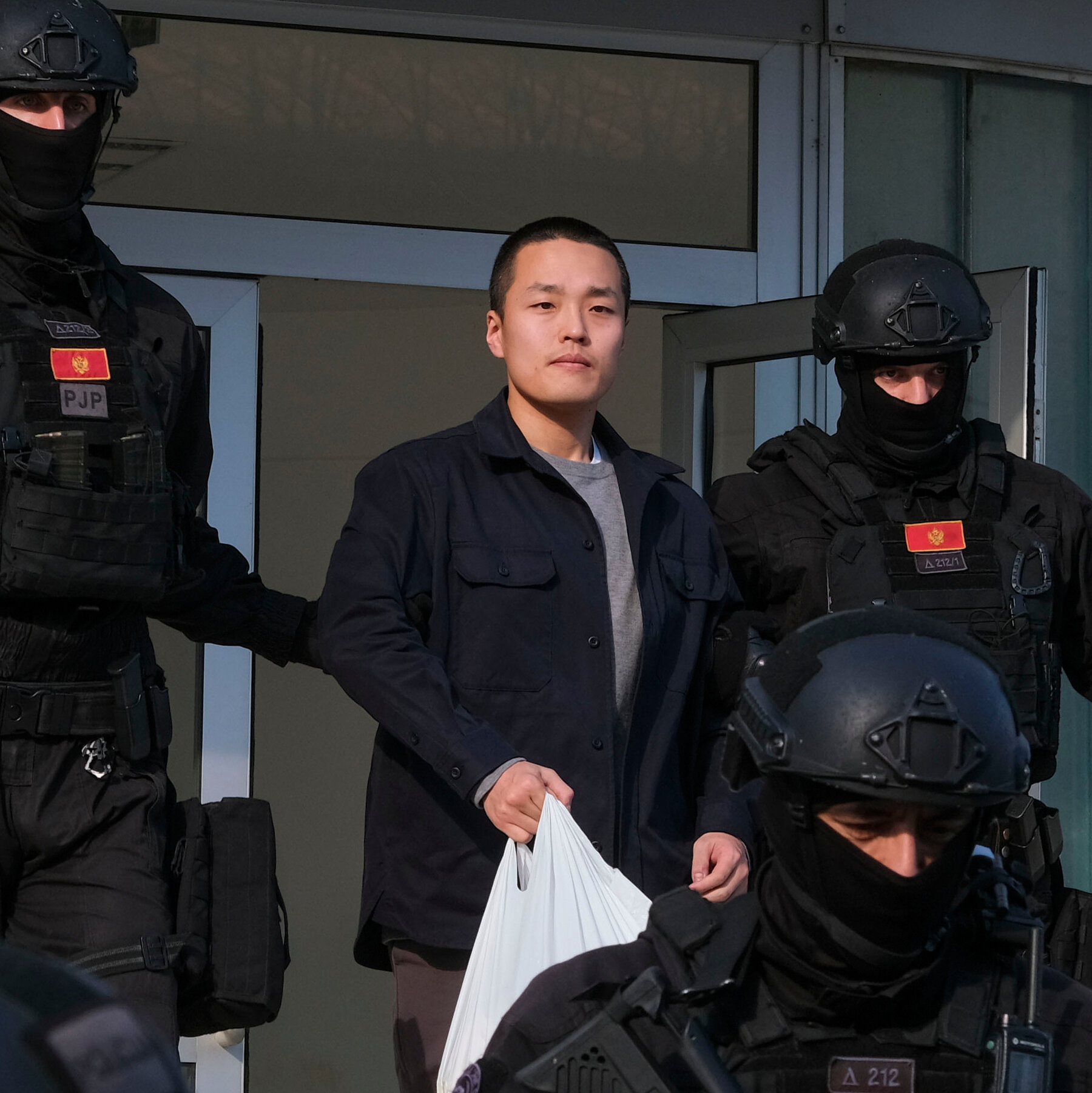
The South Korean entrepreneur Do Kwon co‑founded the blockchain platform Terra, which launched the algorithmic stablecoin TerraUSD (UST) and its sister token Luna. In early 2022, both assets appeared to thrive, attracting billions of dollars in investment. However, a sudden loss of confidence triggered a cascade of redemptions, causing UST to lose its peg to the U.S. dollar and Luna’s price to plummet from over $100 to near zero within days.
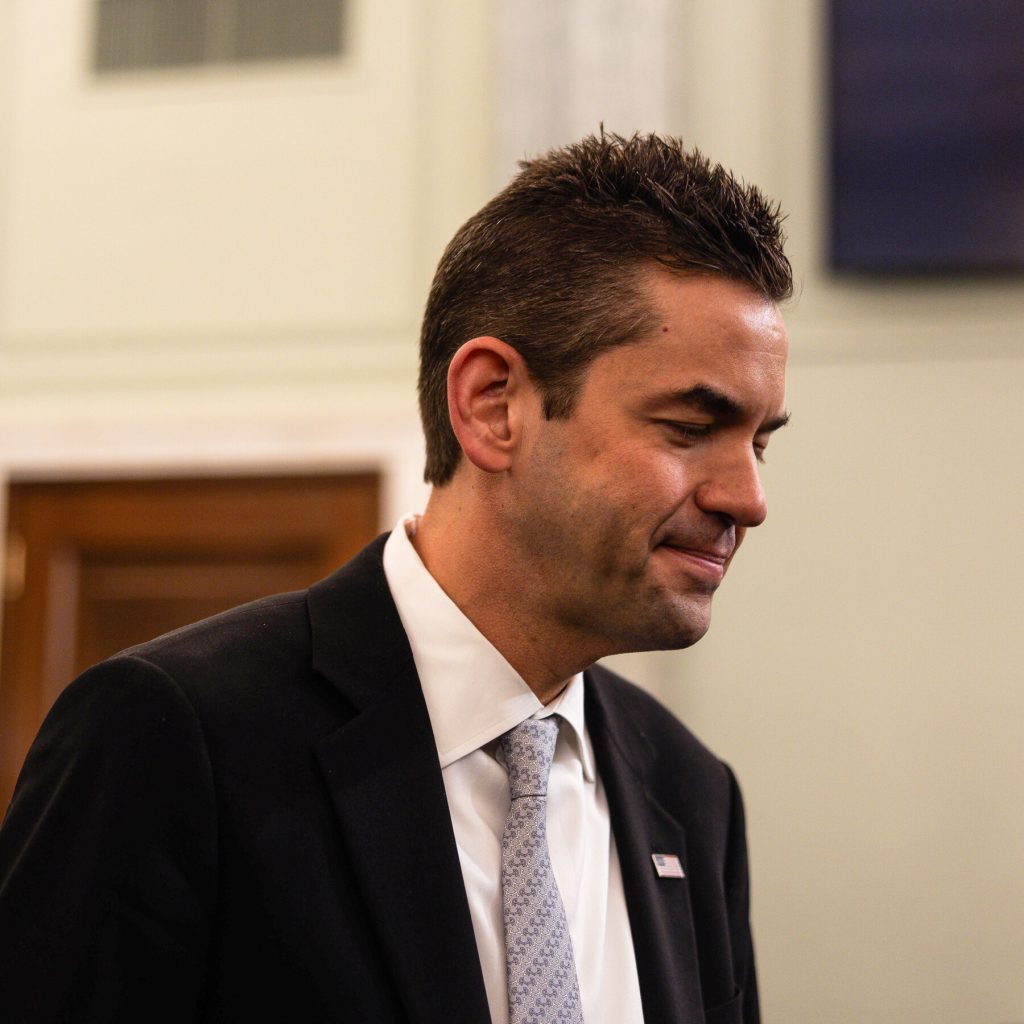
Following extensive investigations by regulators in the United States, South Korea, and other jurisdictions, Do Kwon entered a plea of guilty to multiple fraud charges, including securities fraud, wire fraud, and conspiracy to commit money‑laundering. The court hearing revealed that Kwon and his team allegedly misrepresented the stability of UST and the viability of Luna to investors, while also diverting funds for personal use.
On December 10, 2025, a federal judge handed down a 15‑year prison sentence to Do Kwon, along with an order to forfeit assets exceeding $1.2 billion. In addition, Kwon was sentenced to three years of supervised release after his imprisonment and was barred from holding any executive position in a financial services company for the remainder of his life.
Industry observers described the ruling as a watershed moment for crypto regulation. “This case sends a clear message that deceptive practices in the digital‑asset space will not be tolerated,” said Maria Chen, a senior analyst at Blockchain Insight. Meanwhile, supporters of Kwon argue that the sentence is disproportionately harsh and could stifle innovation.
The sentencing marks the culmination of one of the most high‑profile fraud cases in the cryptocurrency world. Investors who suffered losses in the Terra/Luna crash may now seek restitution through the court‑ordered asset forfeiture, though the process is expected to be lengthy and complex.