Aydın,
3°C
açık

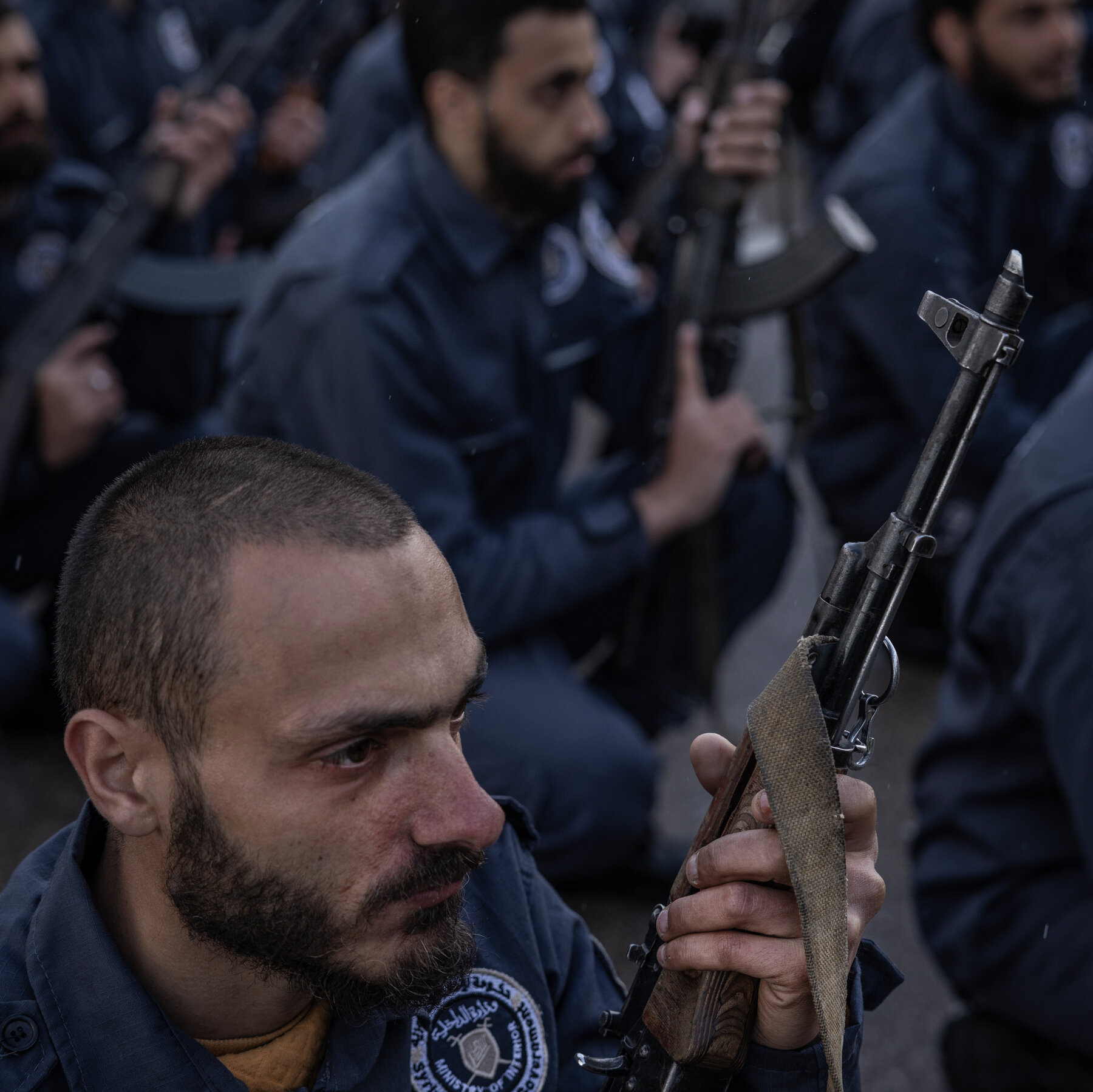
Since the end of the civil war, the Syrian government has been reconstructing its armed forces from the ground up. With much of the pre‑war military infrastructure destroyed, officials have turned to a mix of veteran loyalists and newly recruited volunteers who are being educated in both modern warfare and religious doctrine.
President Bashar al‑Assad’s inner circle has placed great emphasis on personal loyalty as a criterion for officer appointments. Former regime officers who survived the conflict are being reinstated, often receiving rapid promotions to fill gaps left by casualties and defections. This approach is intended to ensure that the chain of command remains unquestioned and that the army stays firmly aligned with the government’s political goals.
In parallel, the Ministry of Defense has introduced a series of ideological training programs that incorporate religious lessons. These sessions aim to instill a sense of moral duty and collective identity among recruits, linking the defense of the nation with the protection of Islamic values. Scholars and clerics are invited to deliver sermons that frame military service as a sacred obligation.
Human‑rights observers and former military analysts warn that this dual focus on loyalty and religion may undermine professional competence. They argue that the rapid promotion of loyalists, often at the expense of merit‑based advancement, hampers the development of tactical expertise. Moreover, the infusion of religious rhetoric into training could blur the line between state and sectarian interests, risking further polarization.
According to defense experts, the Syrian armed forces are still struggling to achieve operational readiness. Shortages of modern equipment, limited access to advanced training facilities, and the ongoing reliance on ad‑hoc recruitment mean that many units remain under‑prepared for conventional engagements. The critics contend that the government’s current strategy “hobbles” the army’s ability to respond effectively to external threats or internal unrest.
While the regime insists that its approach will forge a more “unified and resilient” military, the path forward remains uncertain. Balancing the demands of loyalty, ideological indoctrination, and genuine professional development will be crucial if Syria hopes to transform its fragmented forces into a capable, modern defense establishment.