Aydın,
3°C
açık

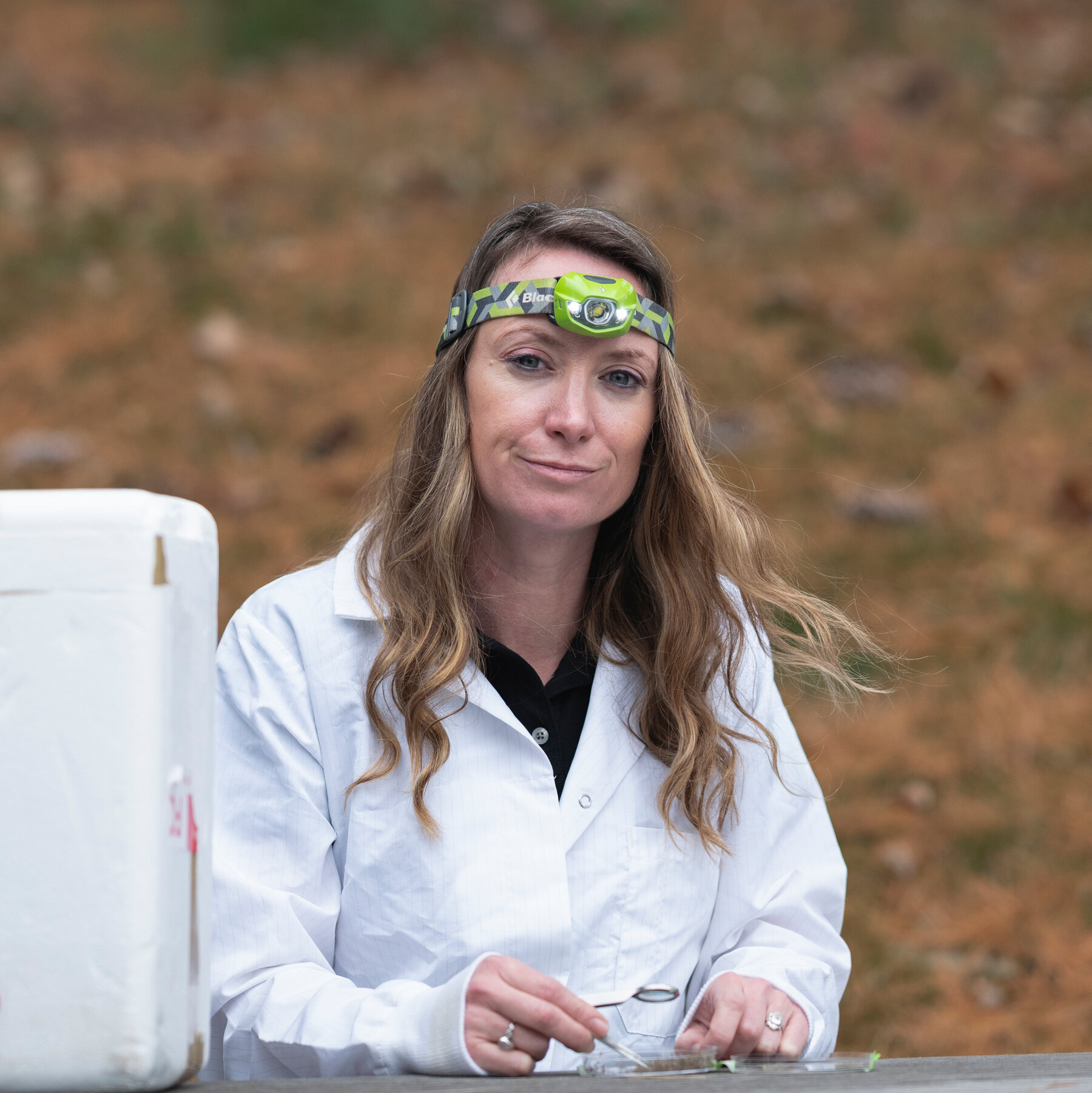
Jenny Carlson Donnelly spent the past decade traveling to some of the world’s most malaria‑stricken regions, from the dense rainforests of the Democratic Republic of Congo to the river valleys of Myanmar. Her mission was simple yet ambitious: understand the behavior of Anopheles mosquitoes and develop strategies that could break the transmission cycle.
While working with local health ministries and NGOs, Donnelly helped launch pilot programs that combined genetically modified mosquito releases with community‑based larval source management. Early results showed a 30 % reduction in new malaria cases in pilot villages, prompting excitement among global health experts.
“The data we collected on mosquito biting times and breeding habitats were unprecedented,” she told a conference in Nairobi last spring. “It gave us a roadmap for interventions that are both sustainable and culturally appropriate.”
In March, Donnelly’s contract with the United States Agency for International Development (USAID) was abruptly terminated. According to internal memos obtained by reporters, the agency cited “a restructuring of program priorities” as the official reason, but sources close to the matter suggest the decision may be linked to disagreements over the allocation of research funds and the pace of policy adoption.
“It felt like a shock,” Donnelly said in an interview. “We were on the brink of scaling up a model that could save thousands of lives, and suddenly the support vanished.”
Several experts voiced concern that the dismissal could set a worrying precedent for field researchers. Dr. Luis Ortega, a malaria specialist at the World Health Organization, warned, “When pioneering scientists are removed from their projects, we risk losing momentum in the fight against a disease that still kills over 600,000 people each year.”
Advocacy groups have called for an independent review of USAID’s decision, urging the agency to “re‑evaluate its commitment to evidence‑based interventions” and to restore funding for ongoing mosquito‑control trials.
Undeterred, Donnelly is now collaborating with a coalition of universities and private foundations to secure alternative financing for her work. “The science doesn’t stop because of bureaucratic setbacks,” she affirmed. “Our goal remains clear: to eliminate malaria by outsmarting the mosquito.”
As the debate continues, the broader question looms: how will the United States balance administrative reforms with the urgent need for innovative solutions in the global fight against malaria?