Aydın,
3°C
açık

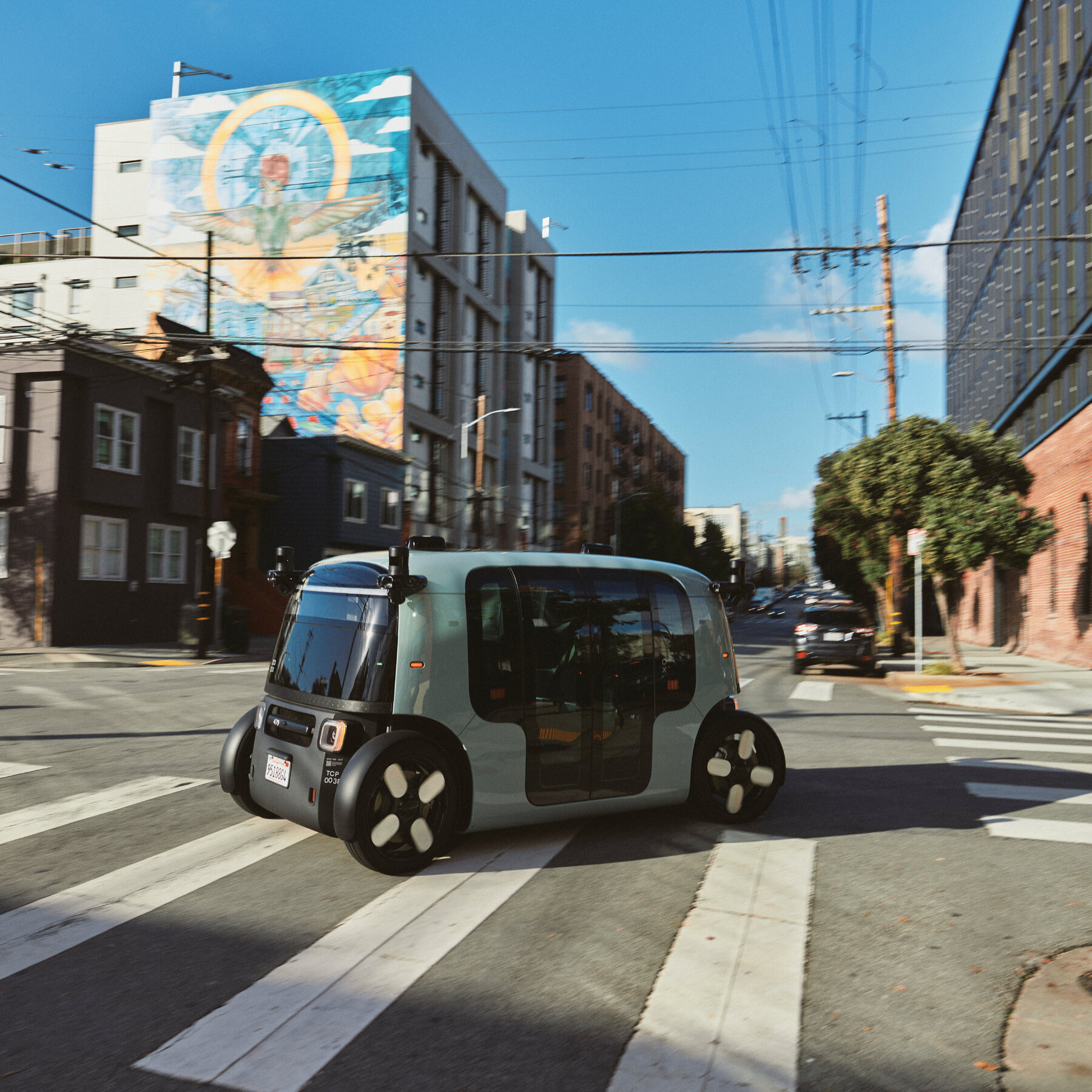
Waymo, the autonomous‑driving subsidiary of Alphabet, is accelerating its rollout of driverless taxis and freight services in major U.S. cities. From the bustling streets of Phoenix to the tech‑savvy corridors of Austin, the company is adding hundreds of robotaxis to its fleet each month, promising smoother rides and reduced reliance on human drivers.
While the technology dazzles, many researchers warn that the net effect on traffic congestion and greenhouse‑gas emissions remains unclear. “Autonomous vehicles could either ease congestion by optimizing routes or worsen it by increasing vehicle miles traveled,” says Dr. Maya Patel, a transportation analyst at the Institute for Sustainable Mobility. “The outcome depends on how the technology is integrated into existing transportation systems.”
Proponents argue that self‑driving cars can cut emissions by:
Conversely, critics point out several risks:
Policymakers face a crucial choice: regulate autonomous fleets in a way that incentivizes low‑emission operation or risk a surge in traffic that negates any environmental gains. Strategies under discussion include:
The promise of self‑driving cars is undeniable, but their real impact on climate change will hinge on how they are deployed, regulated, and integrated with other modes of transport. As Waymo and its competitors continue to scale up, the coming years will provide critical data to determine whether autonomous mobility can truly become a greener alternative or simply another source of emissions.