Aydın,
3°C
açık

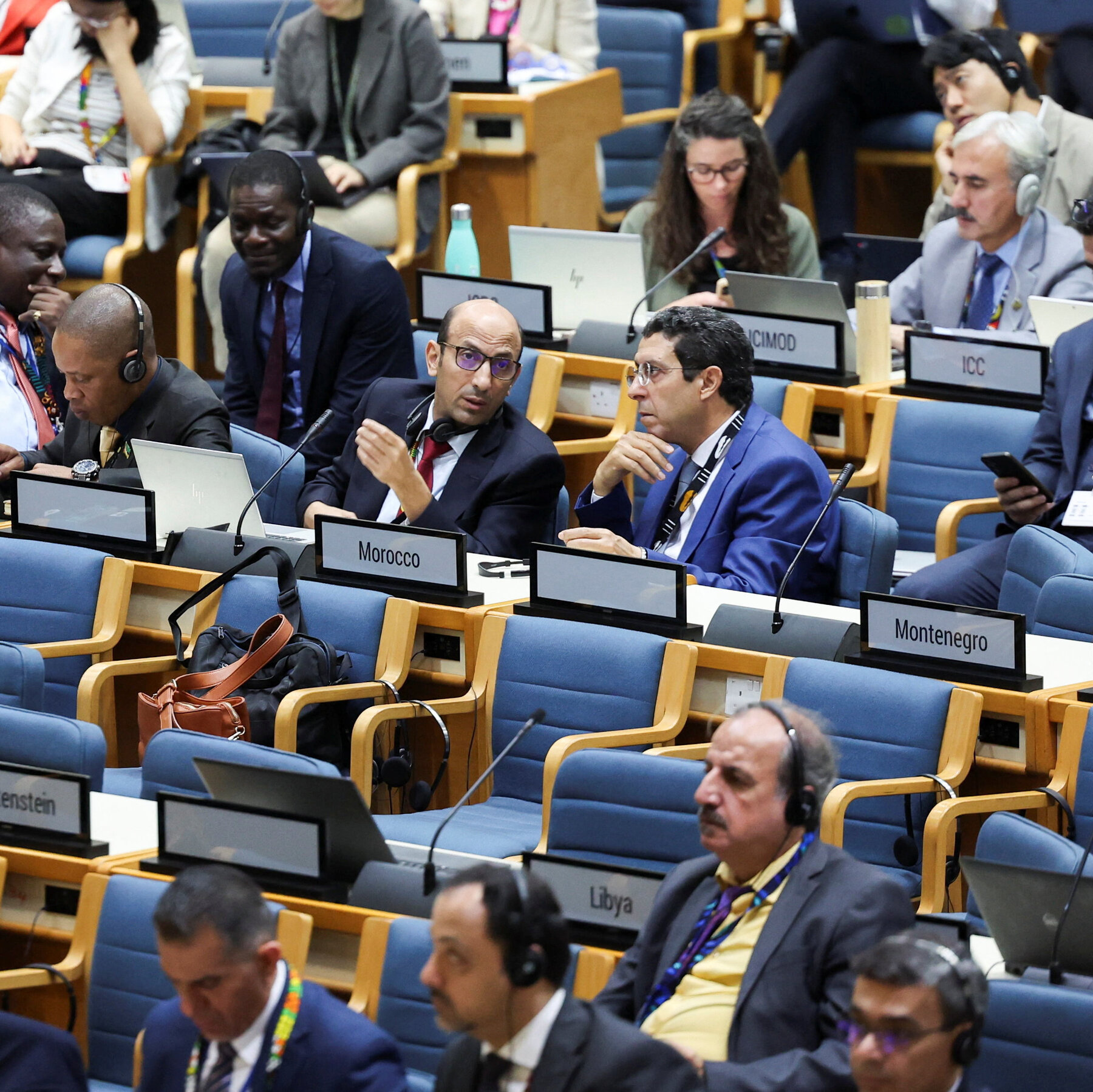
During the final drafting session of the United Nations’ three‑year‑long environmental assessment, officials from the United States aligned with representatives from Russia, Saudi Arabia and Iran to challenge several passages that addressed fossil‑fuel dependence, biodiversity loss and plastic pollution.
According to participants, the coalition argued that the wording was “overly alarmist” and could undermine the willingness of member states to adopt ambitious mitigation measures. Their objections led to the removal or softening of specific clauses that called for immediate, binding commitments to phase out coal and curb single‑use plastics.
The draft, which had been under preparation for three years, was expected to serve as a benchmark for future climate and ecological policies. Critics say the last‑minute changes risk weakening the report’s impact and sending mixed signals to the international community.
Environmental NGOs and several smaller nations voiced disappointment, emphasizing that the report’s original language was essential for “holding governments accountable” and accelerating the transition to a sustainable economy.
Negotiators are now set to reconvene next month to finalize the document before it is presented at the upcoming UN Environment Assembly.