Aydın,
-4°C
açık

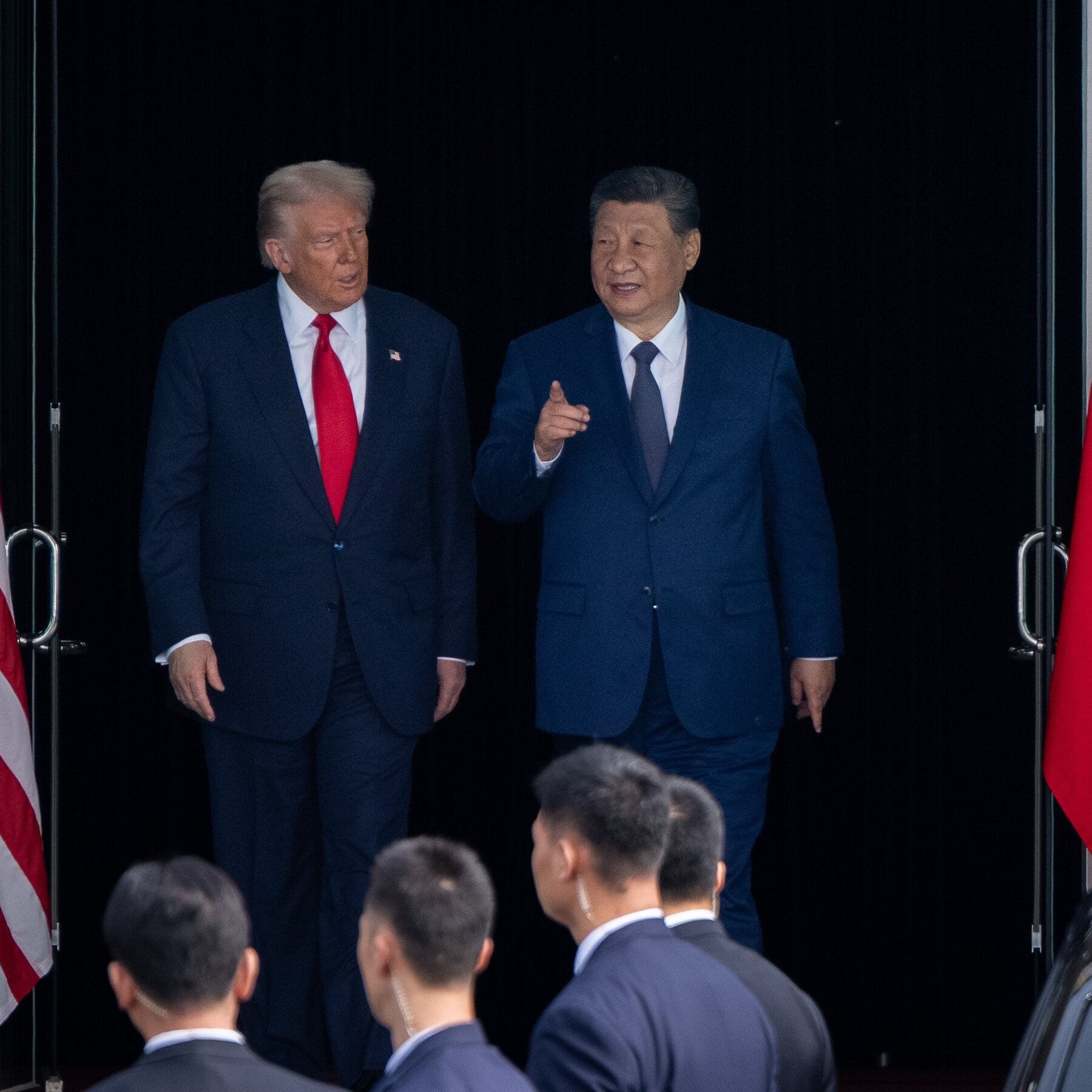
Beijing is interpreting a series of recent moves by the Trump administration as a modest yet significant win in its ongoing technology and diplomatic contest with Washington.
One of the most notable changes has been the easing of American controls on advanced chips. After months of uncertainty, the U.S. has signaled a willingness to soften the stringent licensing requirements that previously hampered Chinese firms’ access to high‑performance semiconductors.
In addition to the technical adjustments, U.S. officials have adopted a less confrontational tone when speaking about China’s rise. Analysts note that the reduction in hostile language—particularly in public statements and press briefings—creates a more predictable environment for Chinese policymakers.
Perhaps the most subtle advantage for Beijing is Washington’s decision to stay out of the escalating disputes between China and Japan. By not taking a clear side, the United States inadvertently allows China to pursue its regional agenda with fewer diplomatic obstacles.
While these developments do not constitute a wholesale reversal of U.S. policy, they represent a rare alignment of interests that China can leverage. Experts warn that if the trend continues, Beijing may accelerate its efforts to close the technology gap and expand its influence in East Asia.