Aydın,
8°C
açık

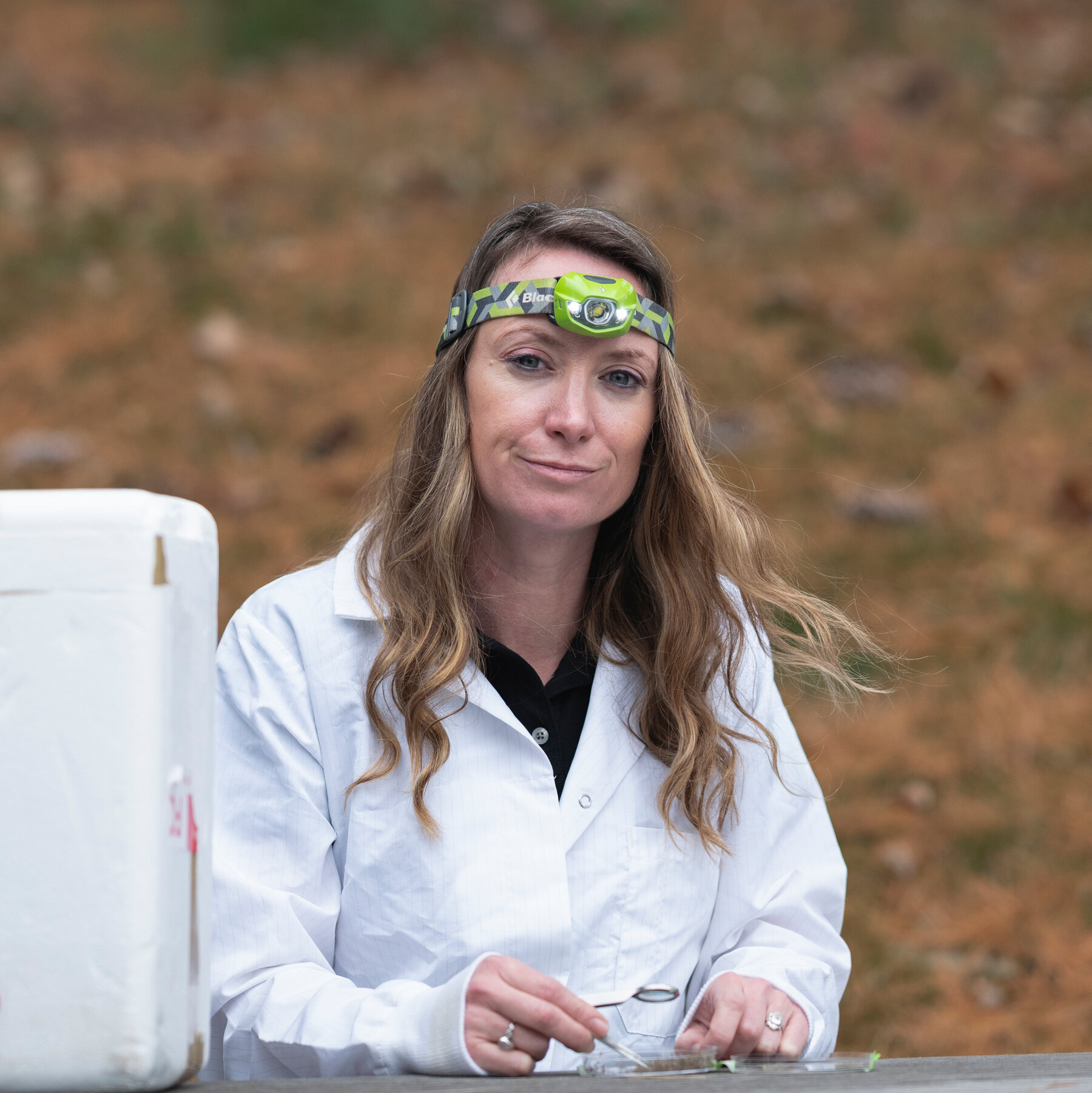
Jenny Carlson Donnelly spent more than ten years traveling to some of the world’s most malaria‑ravaged regions, from the humid jungles of the Congo to the rural villages of Myanmar. Her mission was simple yet ambitious: study local mosquito populations, develop more effective control strategies, and ultimately reduce the disease’s death toll.
While working as a senior entomologist for the United States Agency for International Development (USAID), Donnelly led teams that collected thousands of mosquito specimens, performed genetic sequencing, and piloted innovative insect‑icide‑treated nets. Her research helped shape new guidelines that saved thousands of lives and earned her recognition from both the World Health Organization and the Bill & Melinda Gates Foundation.
During a 2022 expedition in the Democratic Republic of Congo, Donnelly’s team identified a previously undocumented strain of Anopheles mosquitoes that was resistant to the standard pyrethroid insecticides. By collaborating with local health ministries, they introduced a combination of larvicidal bacteria and next‑generation nets, which cut malaria incidence in the study villages by 38 % within a year.
In 2023, she spearheaded a cross‑border trial in Myanmar, testing a novel gene‑drive technique aimed at reducing mosquito fertility. Preliminary results showed a 22 % decline in mosquito density, prompting discussions about larger‑scale implementation.
Despite her successes, Donnelly’s tenure at USAID came to an abrupt end in March 2024. According to an internal memo obtained by the press, the agency cited “organizational restructuring” as the official reason for her dismissal. However, several colleagues suggest that disagreements over the pace of deploying experimental technologies and concerns about regulatory compliance may have played a role.
“I was shocked,” Donnelly told reporters in a brief interview. “I have devoted my career to protecting vulnerable populations, and to be let go without a clear explanation feels like a betrayal of the very mission we all share.”
Since leaving USAID, Donnelly has announced plans to join a nonprofit research consortium focused on open‑source malaria solutions. She also intends to continue fieldwork in Africa and Southeast Asia, emphasizing community‑based approaches and transparent data sharing.
“The fight against malaria is far from over,” she said. “Losing my position at a government agency is a setback, but it does not diminish the urgency of the work we must all keep doing.”
The dismissal of a high‑profile scientist like Donnelly raises questions about how governmental agencies balance innovation with bureaucracy. Experts warn that without clear pathways for integrating cutting‑edge research, progress against entrenched diseases could stall.
“We need to ensure that talented researchers are supported, not sidelined,” remarked Dr. Luis Mendoza, a malaria specialist at the Global Health Institute. “Otherwise, we risk losing the very expertise required to achieve malaria elimination by 2030.”