Aydın,
3°C
açık

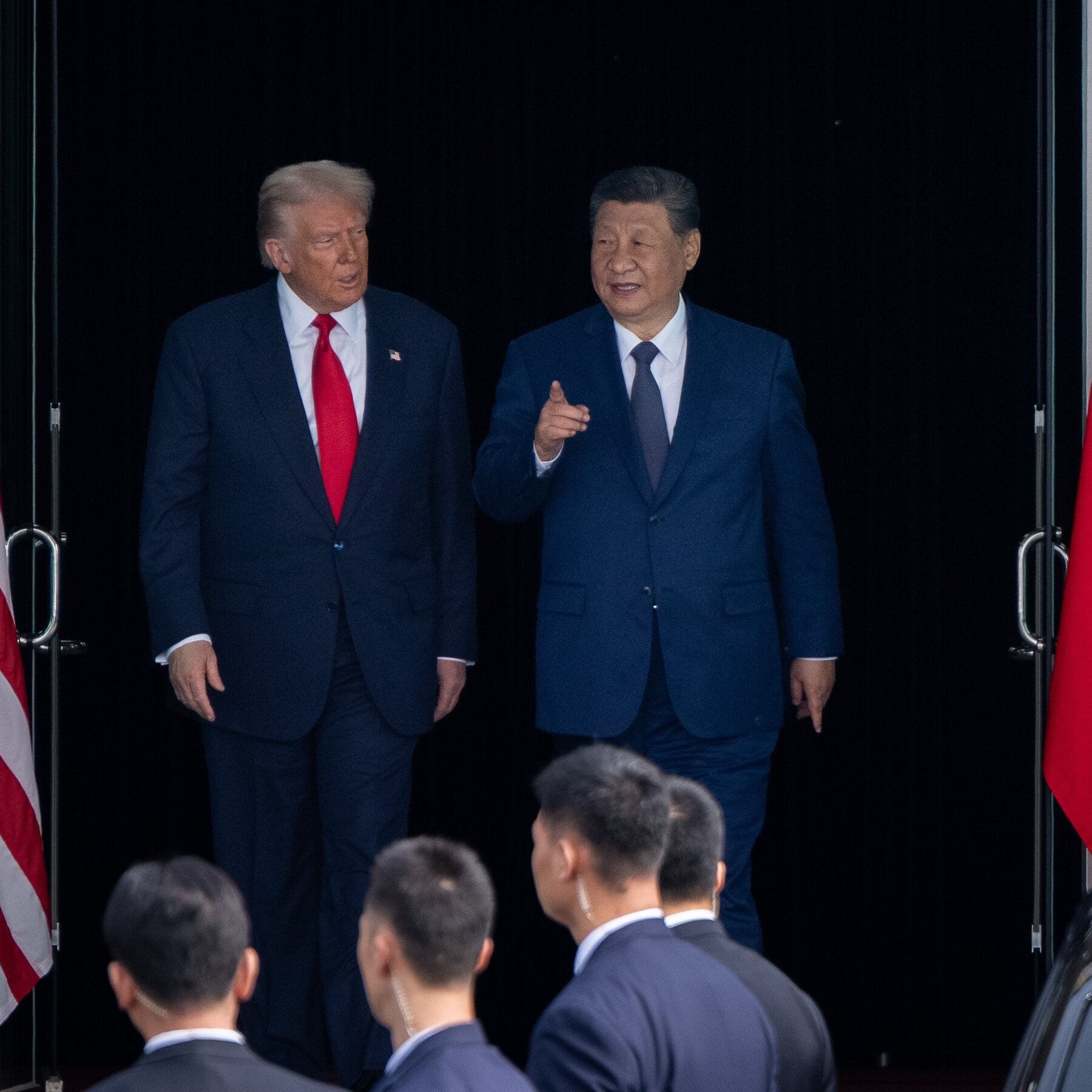
Recent policy shifts in Washington have handed Beijing a series of strategic advantages. While the broader U.S.–China rivalry remains intense, President Donald Trump’s latest moves—relaxing chip export restrictions, toning down trade rhetoric, and staying silent on the escalating dispute with Japan—have provided China with a rare set of wins.
The administration’s decision to soften the controls on advanced semiconductor shipments marks a significant departure from the hard‑line stance of previous years. By allowing more U.S.‑made chips to reach Chinese manufacturers, American firms can resume lucrative sales, and Chinese tech giants regain access to critical components for their next‑generation products.
President Trump’s public language on trade has become noticeably less confrontational. In recent speeches, he emphasized “fair competition” rather than “economic warfare,” a shift that eases market anxieties and reduces the pressure on Chinese exporters. This rhetorical cooling helps stabilize global supply chains that have been rattled by tariff threats.
Perhaps the most telling signal is the United States’ decision to remain quiet about the rising tensions between China and Japan over the East China Sea. By not taking a vocal stance, Washington avoids adding fuel to a volatile regional dispute, indirectly benefiting Beijing by limiting external diplomatic pressure.
These policy adjustments collectively give China a strategic foothold:
While the long‑term trajectory of U.S.–China relations remains uncertain, the current set of moves provides Beijing with a valuable, albeit temporary, advantage.