Aydın,
1°C
açık

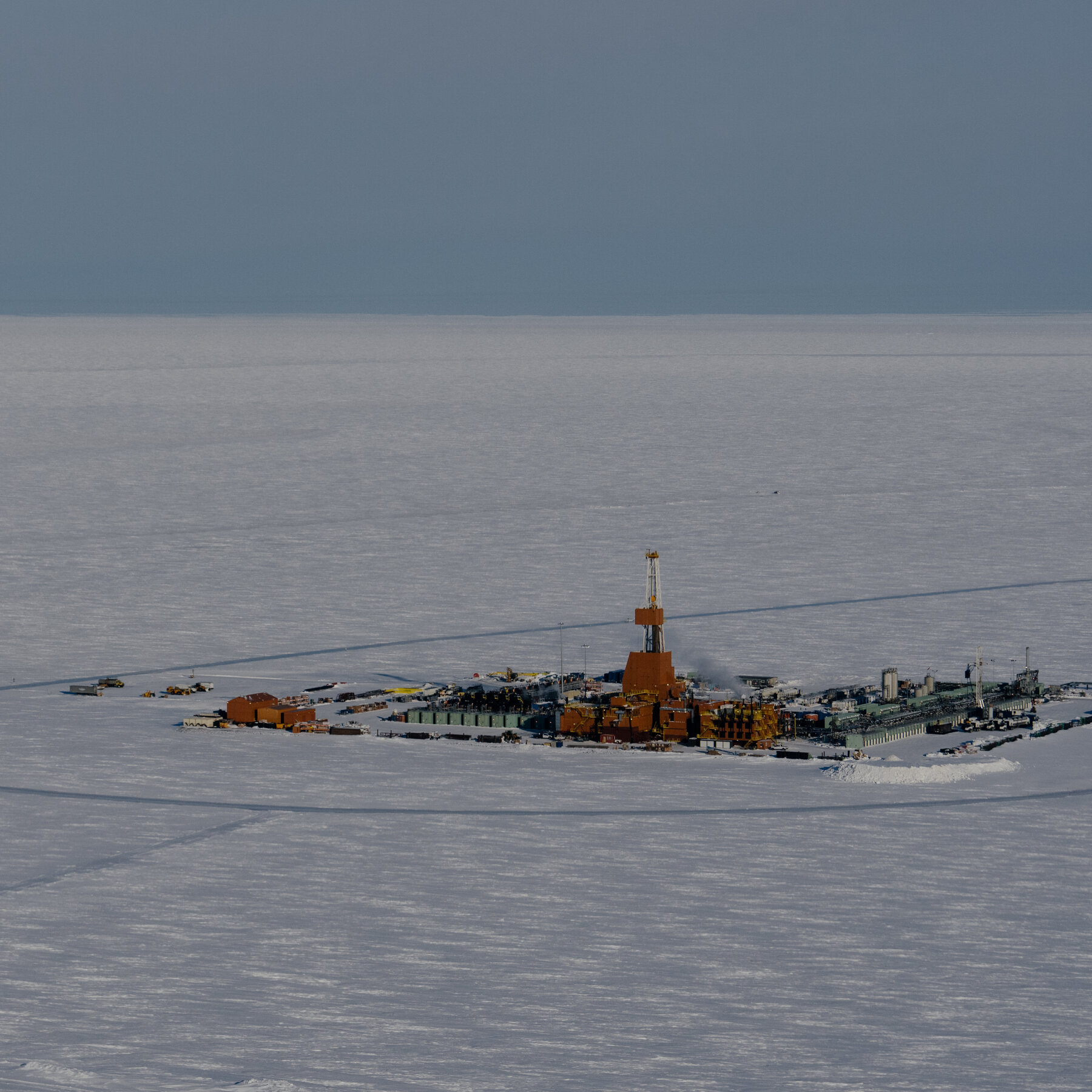
A coalition of environmental groups, Alaska Native organizations, and concerned citizens has filed a federal lawsuit seeking to stop ConocoPhillips from proceeding with its proposed oil‑exploration activities on the largest contiguous parcel of public land in the United States. The land, located in the remote northern reaches of the Arctic, is home to fragile tundra, migratory bird nesting sites, and a host of wildlife that depend on the undisturbed habitat.
The plaintiffs allege that the company’s plans violate several provisions of the National Environmental Policy Act (NEPA) and the Alaska National Interest Lands Conservation Act (ANILCA). They argue that the environmental impact statement prepared by the Bureau of Land Management is insufficient, failing to consider cumulative effects such as increased greenhouse‑gas emissions, potential oil spills, and disruption of Indigenous subsistence practices.
In their complaint, the plaintiffs request that the court issue a preliminary injunction to halt all drilling activities pending a thorough review, and they seek a permanent order requiring a more comprehensive environmental assessment.
ConocoPhillips maintains that its exploration program follows all federal and state regulations and that the project will bring significant economic benefits, including jobs and tax revenues for local communities. The company points to its “best‑in‑class” safety protocols and a commitment to minimizing environmental footprints as evidence of responsible stewardship.
If the lawsuit succeeds, it could set a precedent for protecting other vulnerable Arctic regions from industrial development. Conservationists emphasize that the area in question serves as a critical carbon sink and a refuge for species such as caribou, polar bears, and migratory shorebirds.
The case is slated for a hearing later this month, where a federal judge will decide whether to grant the requested injunction. Both sides have indicated they are prepared for a lengthy legal battle, underscoring the high stakes surrounding energy development and environmental preservation in the Arctic.