Aydın,
1°C
açık

Earlier this week, the White House relayed a peace initiative from President Donald Trump that called for Ukraine to cede additional territory in exchange for an end to hostilities with Russia. The proposal, which has been widely described as a “land‑for‑peace” deal, sparked immediate debate in Kyiv and among Western allies.
In response, the Ukrainian Ministry of Foreign Affairs drafted a comprehensive peace plan and sent it to Washington on Friday. The document rejects any demand for further territorial concessions and instead outlines a framework built on three pillars:
The Ukrainian plan emphasizes that a lasting peace must be predicated on respect for international law and the principle of territorial integrity. It calls for:
1. Immediate cease‑fire monitored by a multinational observer mission.
2. Withdrawal of Russian troops from all occupied areas, verified by independent inspectors.
3. Release of all political prisoners detained since the start of the conflict.
4. A roadmap for the reintegration of the annexed regions, including free and fair local elections under international supervision.
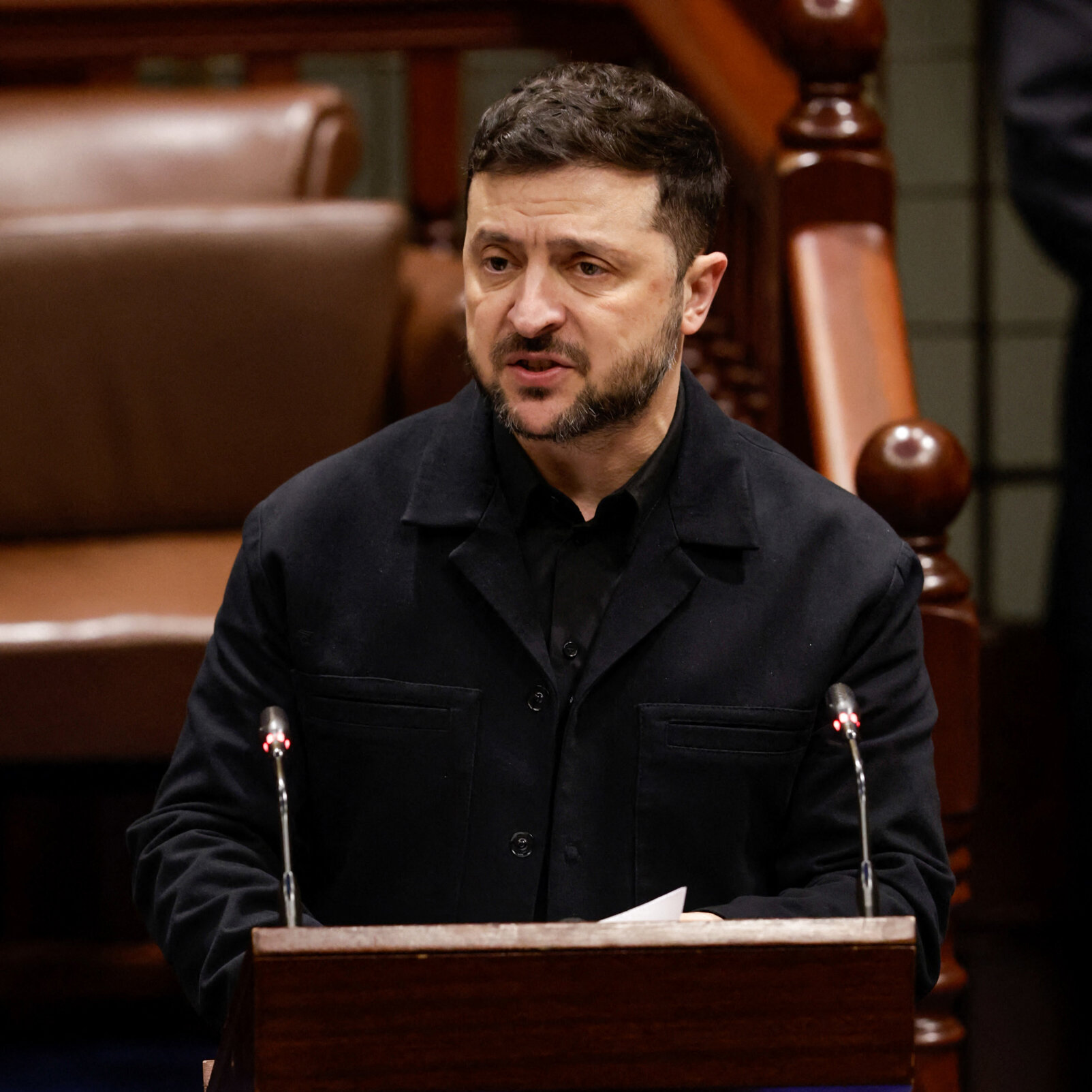
President Volodymyr Zelenskyy praised the draft as “the only viable path to a just and durable peace.” His administration has urged the United States to reject any suggestion of further land loss and to stand firm with its European partners. Ukrainian officials also warned that conceding additional territory would set a dangerous precedent for future aggression.
European leaders have echoed Kyiv’s stance, with the European Commission stating that “any peace settlement must guarantee Ukraine’s full sovereignty.” NATO Secretary‑General Jens Stoltenberg reiterated the alliance’s commitment to Ukraine’s defense, emphasizing that security guarantees cannot be compromised.
Washington now faces a diplomatic crossroads: either endorse Ukraine’s counter‑proposal, which maintains the status quo of borders, or push for a revised deal that incorporates elements of the Trump administration’s original plan. The coming days will likely see intense diplomatic negotiations, as both sides weigh the geopolitical stakes of a settlement that could reshape Eastern Europe’s security landscape.