Aydın,
3°C
açık

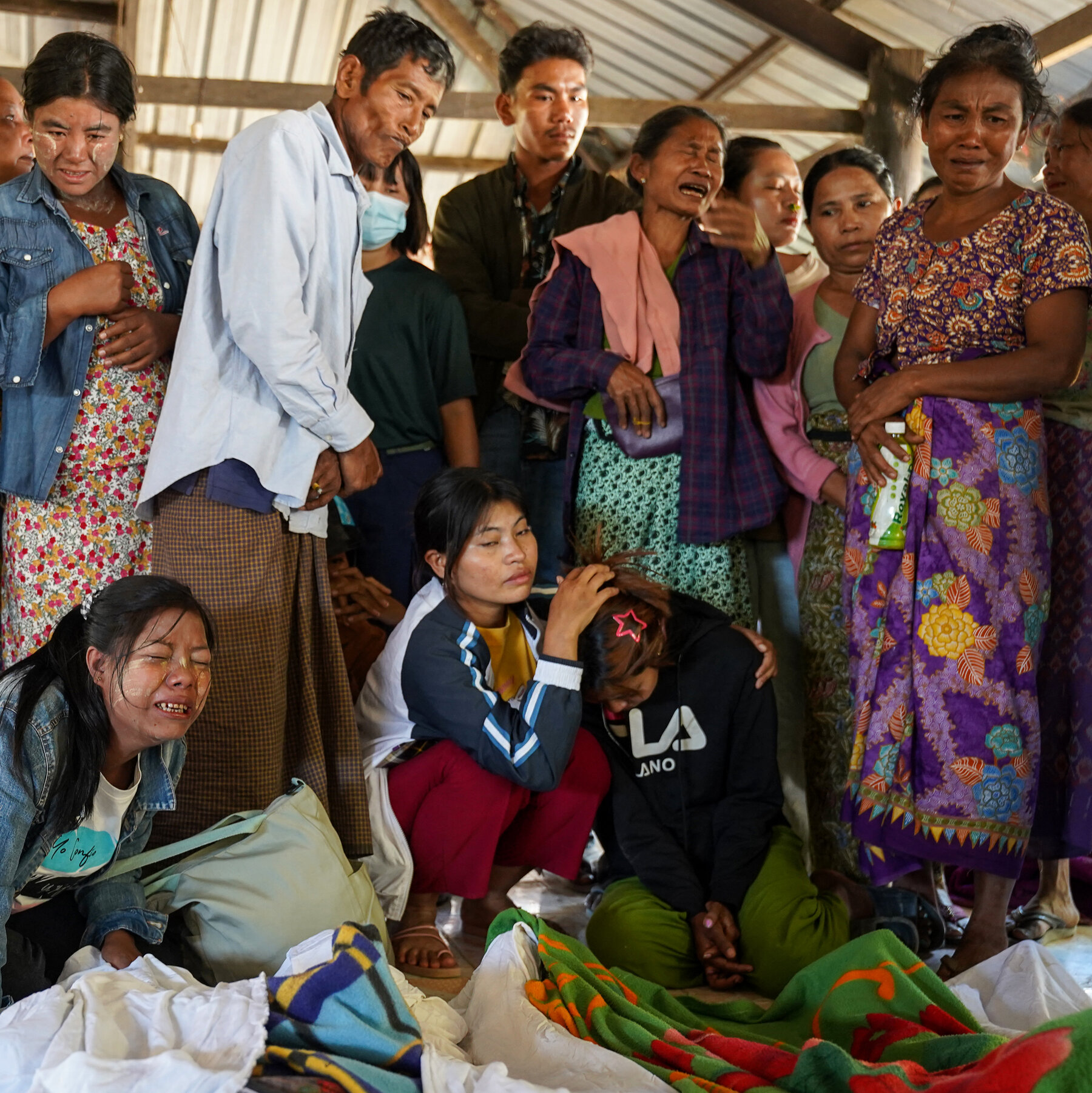
In the early hours of Thursday, two aerial bombs dropped by Myanmar’s military aircraft struck the Shwe Hlaing Hospital in the coastal town of Mrauk‑U, Rakhine State. The attack left at least dozens of patients, staff members, and civilians dead, with many more injured.
Witnesses on the scene described a deafening roar followed by a massive explosion that ripped through the hospital’s main building. “I heard the jets screaming overhead, then the whole place shook. When the dust settled, we saw bodies everywhere,” said Maung Aye, a local shopkeeper. “It felt like the world stopped for a moment.”
Rebel groups operating in the region, including the Arakan Army, condemned the strike as a deliberate act of terror against civilians. “The junta has crossed a line that should never be crossed,” declared Commander Zaw Min Tun in a recorded statement. “Targeting a facility that shelters the sick and wounded is a war crime.”
International human‑rights organisations have called for an urgent investigation. Amnesty International issued a statement urging the United Nations Security Council to refer the incident to the International Criminal Court, noting that “the evidence points to a systematic pattern of targeting medical infrastructure.”
The Myanmar military, however, has denied any wrongdoing. A spokesperson for the Tatmadaw claimed the bombing was the result of “a mistaken strike on a legitimate military target” and pledged to conduct an internal review. Critics argue that the military’s history of indiscriminate air attacks makes such explanations dubious.
Local residents, still reeling from the tragedy, have begun to gather in makeshift memorials outside the ruins of the hospital. “We will not forget the lives lost here,” said Hla Hla, a nurse who survived the blast. “Our community must demand accountability.”
The incident adds to a growing list of civilian casualties in Myanmar’s ongoing civil war, which has displaced millions and intensified calls for a ceasefire. As the death toll rises, the international community faces mounting pressure to intervene and protect the nation’s most vulnerable.