Aydın,
3°C
açık

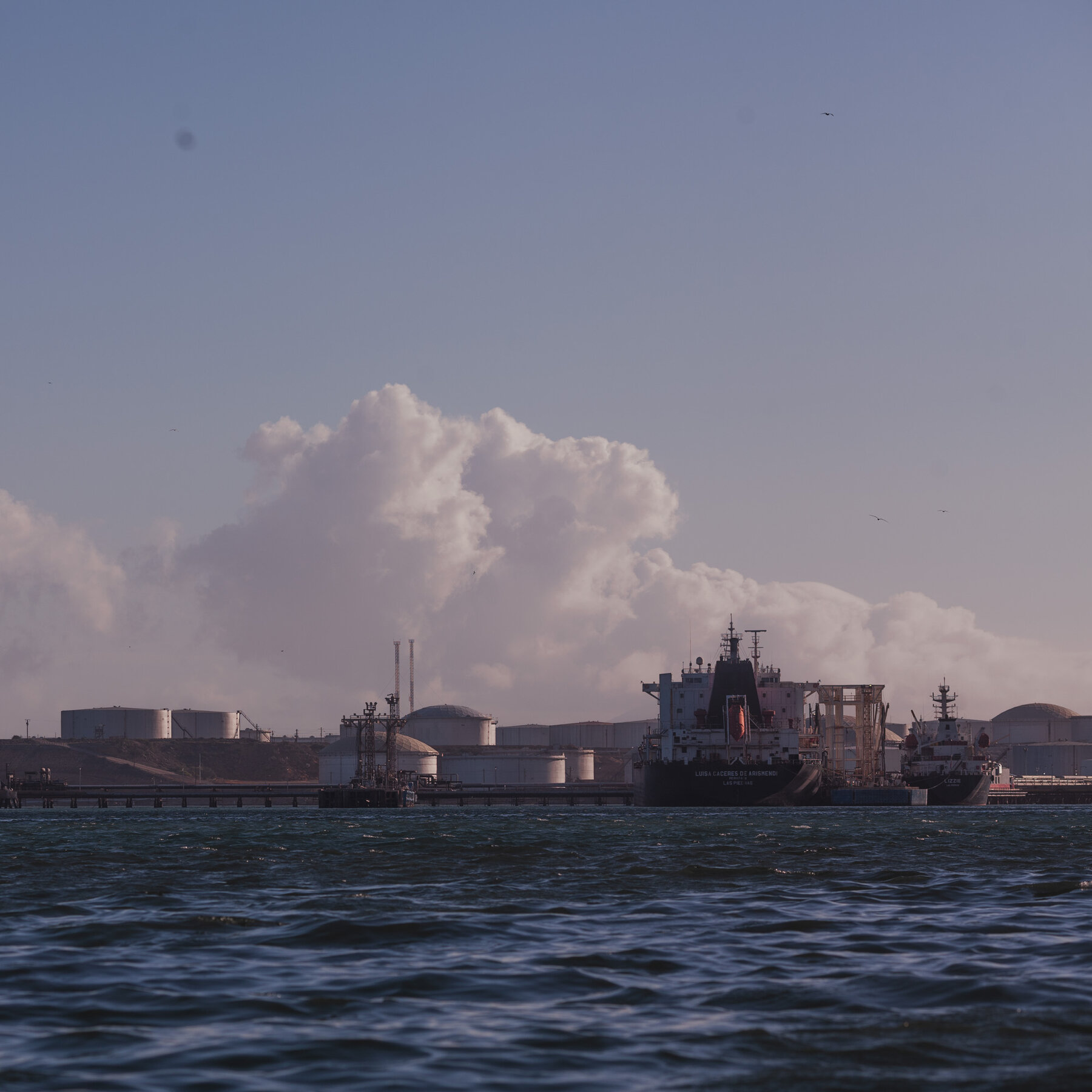
The United States Coast Guard boarded and seized a 65,000‑ton oil tanker approximately 40 nautical miles off the coast of Venezuela last week. According to officials, the ship was carrying more than 600,000 barrels of crude that had been sold by a Venezuelan state‑owned refinery to a buyer in Iran, a country under U.S. sanctions.
Venezuelan authorities have long relied on oil exports—both legal and clandestine—to fund their government and to keep the country afloat amid hyperinflation and severe shortages. The loss of a single tanker, while not crippling, represents a tangible financial blow that could tighten the regime’s already strained cash flow.
Despite the high‑profile nature of this operation, experts warn that it will do little to disrupt the “dark fleet”—a loosely organized network of aging, often unregistered vessels that shuttle oil from sanctioned producers to buyers in Asia, Europe and the Middle East. These ships typically:
The fleet’s resilience stems from several factors:
Legal loopholes: Many of the vessels are owned by shell companies registered in jurisdictions with weak maritime oversight, making it difficult to trace ultimate ownership.
Geographic dispersion: By spreading operations across multiple seas, smugglers dilute the focus of any single naval patrol.
Economic incentives: Sanctioned oil can fetch a premium of up to 30 % above market price, providing powerful motivation for both ship owners and crew members.
In response to the seizure, the U.S. Treasury Department announced new sanctions targeting the ship’s managing company and several associated entities. Additionally, the Pentagon’s 5th Fleet has increased patrols in the Caribbean and Gulf of Mexico, deploying unmanned aerial systems and satellite‑based monitoring to track suspicious vessel movements.
However, critics argue that without a coordinated multinational effort—particularly with countries that host major ship registries—the “dark fleet” will simply adapt, using new flags, routes, and technologies to stay one step ahead.
While the recent seizure sends a clear signal that the United States is willing to act against illicit oil shipments, the broader challenge remains: dismantling a sprawling, covert logistics chain that thrives on secrecy. Analysts suggest that a combination of tighter registration standards, enhanced intelligence sharing, and sustained maritime presence will be essential if the international community hopes to curb the flow of sanctioned oil and limit the revenue streams that sustain regimes like Venezuela’s.