Aydın,
3°C
açık

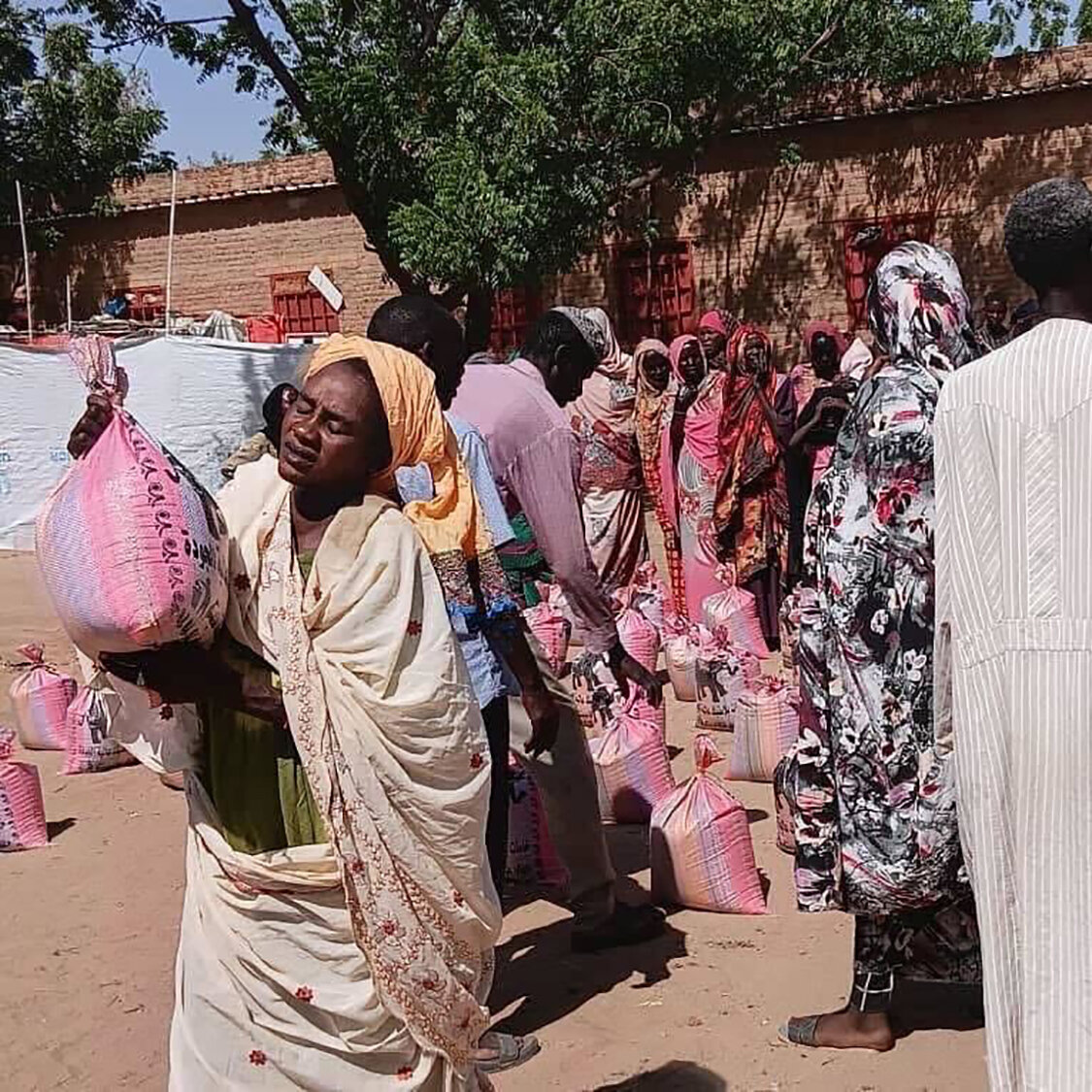
El Fasher, the capital of North Darfur, has been under the control of the paramilitary Rapid Support Forces (RSF) since the latest wave of fighting erupted earlier this year. The city, once a bustling hub for trade and agriculture, has been reduced to a landscape of shattered buildings, abandoned streets, and lingering fear after a brutal massacre that left dozens dead and many more injured.
A local humanitarian coalition, the Darfur Relief Network (DRN), managed to secure a fragile agreement with the RSF commanders that now permits a limited convoy of aid to enter the city. The group’s spokesperson, Ahmed El‑Tahir, explained that “the negotiations were tense, but the RSF finally allowed us to bring in essential supplies after we guaranteed that the aid would not be diverted to armed groups.”
The first convoy, consisting of three trucks, delivered:
Upon arrival, DRN volunteers reported scenes that starkly illustrate the humanitarian disaster:
“The streets are littered with debris and the smell of smoke still hangs in the air,” said one aid worker. Residents were found huddled in makeshift shelters, many with visible injuries from the recent massacre. Children were seen playing near the ruins, their faces marked by both curiosity and trauma.
While the convoy marks a hopeful step, the aid flow remains precarious. The RSF has imposed strict movement controls, and any escalation in fighting could close the corridor permanently. Moreover, the limited quantity of supplies is only enough to temporarily alleviate the most urgent needs.
International NGOs and United Nations agencies are urging the RSF to expand access and guarantee the safety of humanitarian workers. “A sustained and scaled‑up response is essential to prevent a full‑blown famine and to support the survivors of the massacre,” said a UN spokesperson.
For now, the modest arrival of aid in El Fasher offers a rare, tangible sign of relief amid the darkness, and a reminder that even in the most harrowing circumstances, compassion can find a way through.