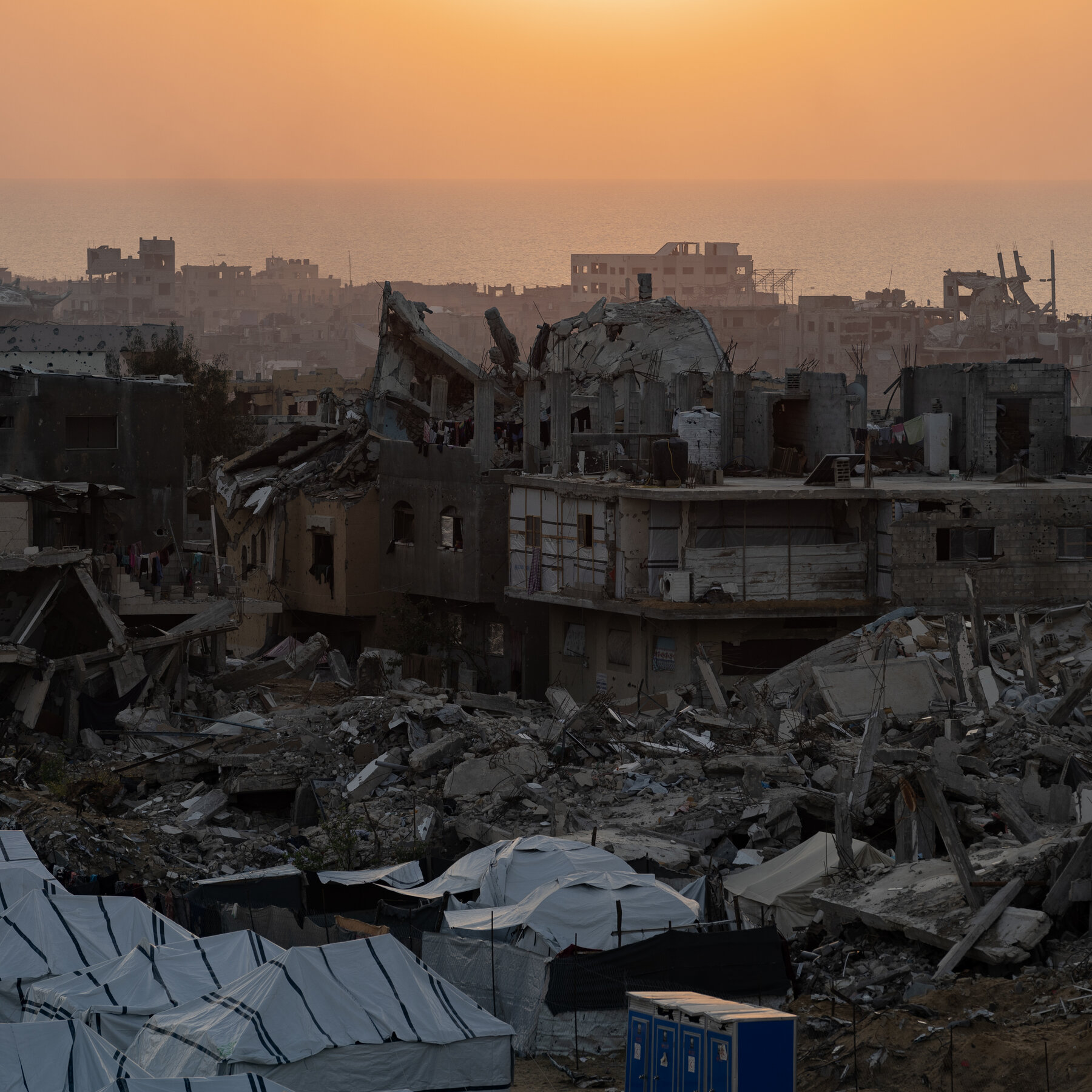
Washington – The future of President Donald Trump’s 20‑point Gaza peace proposal has been shrouded in uncertainty, with critics pointing to vague language and an absence of concrete implementation steps. Yet recent diplomatic moves suggest the administration may finally be ready to move from rhetoric to action.
Where the Plan Stands Today
Since its unveiling, the plan has faced three major hurdles:
- Political buy‑in – Both Israeli and Palestinian leaderships have expressed skepticism, and regional powers remain divided.
- Funding gaps – The $10 billion economic package promised to rebuild Gaza has yet to secure a clear financing source.
- Security guarantees – Questions linger about how the plan will address rocket fire, border control, and the disarmament of militant groups.
Until now, the administration has offered only high‑level statements, leaving observers to wonder whether the blueprint will ever translate into tangible steps.
Recent Shifts in U.S. Strategy
In the past month, three developments have hinted at a more concrete approach:
- Direct talks with Israeli officials – Senior White House advisors met in Tel Aviv to outline a phased timeline for the first three points of the plan, focusing on ceasefire arrangements and humanitarian aid corridors.
- Engagement with Qatar and Egypt – The United States has begun coordinating with regional mediators to secure a guarantee for border security and to facilitate the movement of reconstruction materials.
- Private‑sector pledges – A coalition of American and Gulf‑based firms announced a tentative commitment of $2 billion toward infrastructure projects in Gaza, signaling growing private‑sector interest.
Key Elements Likely to Move Forward
The following components of the 20‑point plan appear most ready for implementation:
- Humanitarian relief – Immediate delivery of food, medical supplies, and clean water through UN agencies.
- Economic revitalization – Launch of a “Gaza Reconstruction Fund” aimed at rebuilding homes, schools, and hospitals within the next 18 months.
- Security framework – A joint Israeli‑Palestinian monitoring unit, overseen by an international committee, to enforce a ceasefire and curb rocket launches.
Obstacles That Remain
Despite the promising signs, several challenges could stall progress:
Political fragmentation among Palestinian factions, the ongoing Israeli settlement expansion, and the broader U.S. domestic debate over foreign aid all threaten to derail the timeline.
Moreover, critics argue that the plan’s emphasis on economic incentives may not sufficiently address the underlying political grievances that fuel the conflict.
What to Watch For
Analysts suggest keeping an eye on three critical milestones over the next six weeks:
- The formal signing of a ceasefire agreement between Israel and Hamas.
- The establishment of the Gaza Reconstruction Fund and the first tranche of disbursement.
- International verification of the security monitoring mechanism.
If these steps materialize, Trump’s ambitious vision for Gaza could shift from a “grand plan” on paper to a workable roadmap on the ground. Until then, the world will be watching to see whether diplomatic momentum can overcome the entrenched stalemate.