Aydın,
3°C
açık

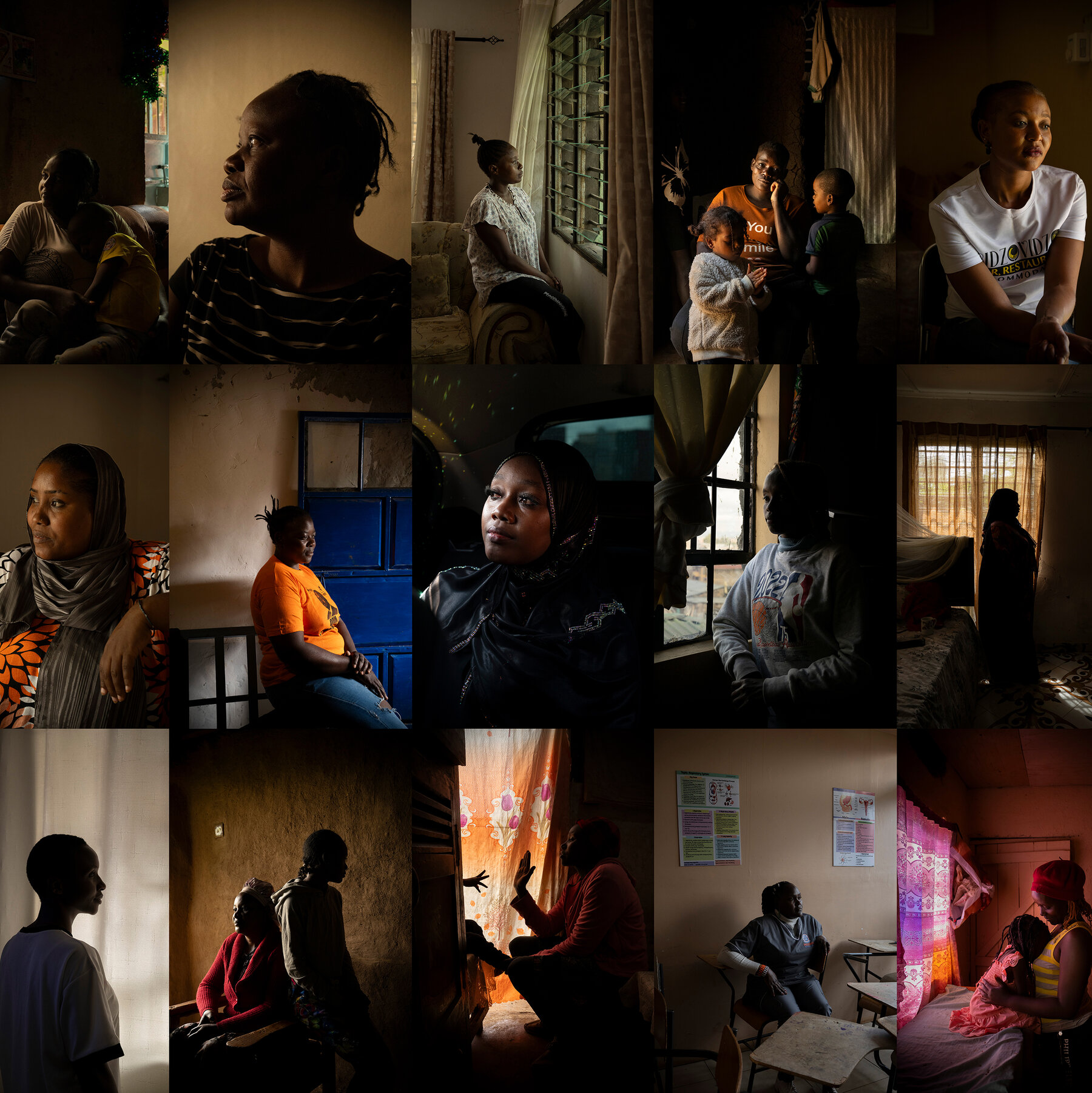
In recent years, the Kenyan government has launched an ambitious plan to transform the nation’s economic landscape by empowering women entrepreneurs. The strategy aims to tap into the untapped potential of female talent, encouraging women to take bold steps that could reshape the country’s future.
Our team set out to examine the darker side of labor practices in the region, focusing on how vulnerable workers are treated before they even step outside their homes. The research revealed a complex web of exploitation that begins long before any migrant journey begins.
Early Recruitment Tactics: Recruiters often approach families in rural areas, promising high wages and better living conditions abroad. These promises are frequently exaggerated or outright false.
Financial Traps: Prospective workers are pressured to pay hefty fees for visas, travel, and “training,” leaving them in debt before they start any job.
Psychological Pressure: Community leaders and recruiters use social pressure, framing migration as a duty to support one’s family, which can coerce individuals into risky decisions.
While the government’s push to elevate women in business holds promise, the findings highlight the urgent need for stronger safeguards against labor abuse. Without robust protection mechanisms, the very women the policy aims to empower could become victims of exploitation.
Experts recommend a multi‑pronged approach: strict regulation of recruitment agencies, financial literacy programs for potential migrants, and the establishment of a transparent monitoring system to ensure that women’s empowerment translates into genuine economic advancement rather than further vulnerability.