Aydın,
3°C
açık

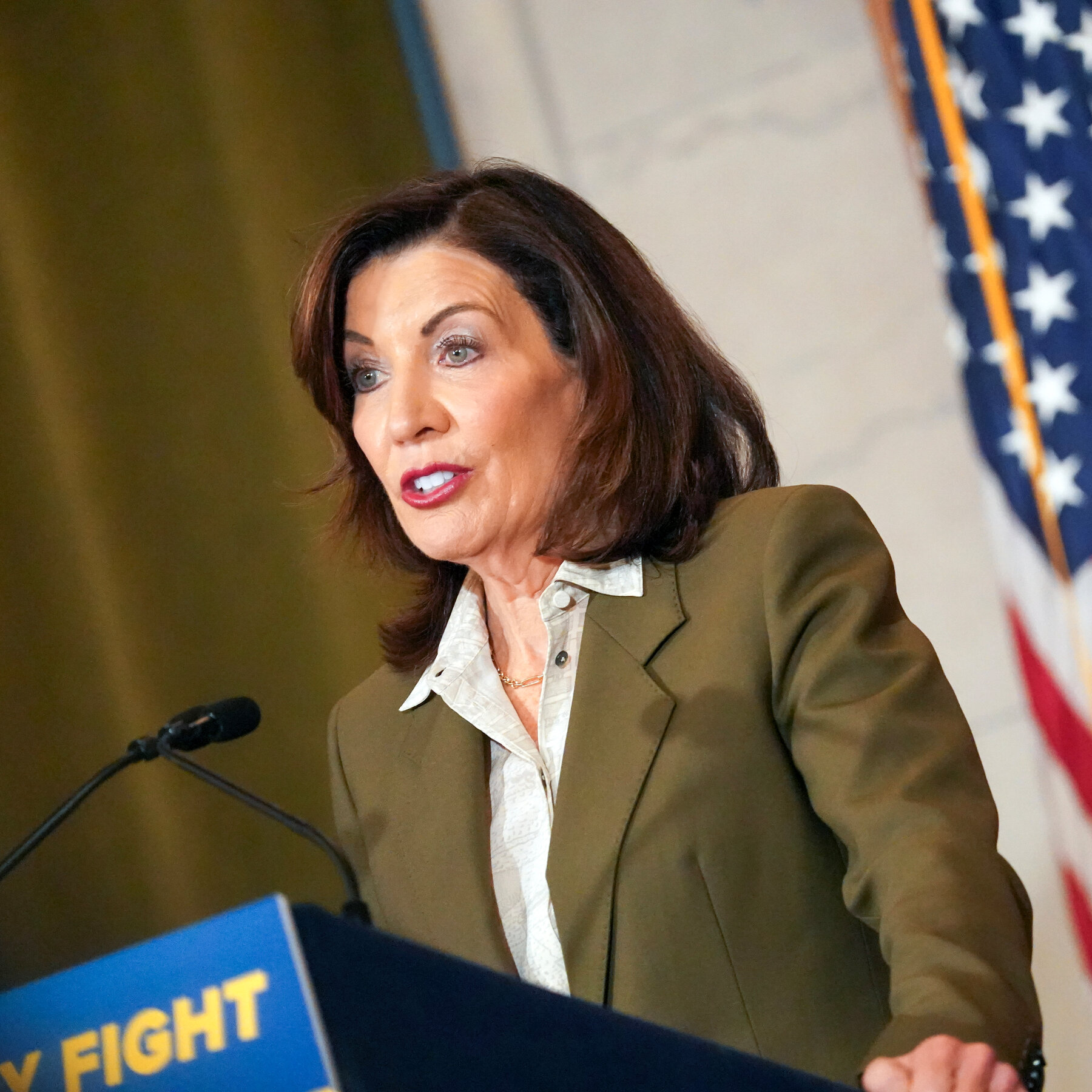
In recent months, New York’s political conversation has been dominated by affordability and soaring energy costs. As households grapple with higher utility bills and the state wrestles with inflation, the urgency of climate‑focused legislation has been pushed to the back burner.
Governor Kathy Hochul has signaled a pragmatic pivot. While she remains committed to the long‑term goal of a greener economy, her administration is now emphasizing immediate relief measures—such as utility subsidies and tax breaks—for New Yorkers who are feeling the pinch of rising expenses.
Key climate programs, including the ambitious Clean Energy Standard and the Zero‑Emission Vehicle incentive plan, have seen funding delays or scaled‑back targets. Critics argue that postponing these measures could jeopardize the state’s ability to meet its 2030 emissions reduction commitments.
Legislators from both parties are feeling pressure from constituents who prioritize lower bills over long‑term environmental goals. In the upcoming mid‑term elections, candidates are campaigning on promises to curb energy prices, making it politically risky for lawmakers to champion costly climate policies without clear short‑term benefits.
Environmental groups have warned that the shift could erode New York’s reputation as a national leader in climate action. Green New York released a statement urging the administration to “balance immediate economic relief with steadfast investment in clean energy infrastructure.”
Despite the current slowdown, many analysts believe the state will eventually return to a more aggressive climate agenda once the economic strain eases. For now, Governor Hochul’s office is focusing on a “dual‑track” approach: delivering short‑term financial assistance while keeping the broader vision of a carbon‑neutral future alive.