Aydın,
3°C
açık

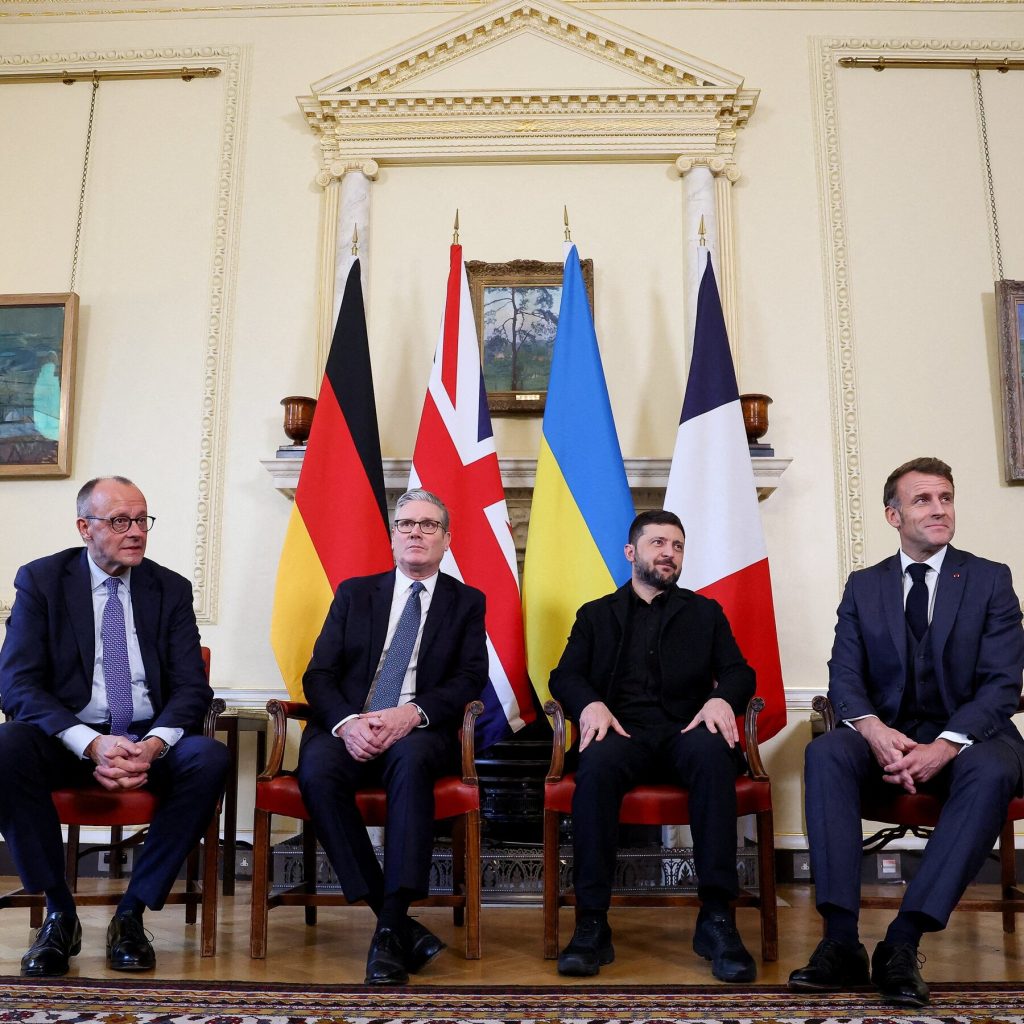
For months, the United States has dominated the diplomatic arena surrounding Ukraine’s peace negotiations. European capitals, however, are now demanding a louder voice—both at the negotiating table and in the financial support they provide to Kyiv.
The European Union, together with a coalition of non‑EU states, has drafted a comprehensive funding plan that could total more than €50 billion over the next two years. The package blends military assistance, reconstruction grants, and long‑term economic guarantees aimed at stabilising Ukraine’s shattered infrastructure.
1. Defense and Security: Immediate procurement of air‑defence systems, artillery ammunition, and training for Ukrainian forces.
2. Reconstruction: A €20 billion fund earmarked for rebuilding schools, hospitals, and energy networks destroyed in the conflict.
3. Economic Resilience: Guarantees for Ukrainian sovereign bonds and a €10 billion loan facility to support small‑business recovery.
Despite the boldness of the proposal, member states remain divided. Countries such as Germany and France advocate for a swift, unified response, while others—most notably the Netherlands and the Baltic states—press for stricter oversight and conditionality tied to anti‑corruption measures.
Negotiators must grapple with three main obstacles:
As the week unfolds, the European Council and the European Commission are set to hold a series of high‑level meetings. Their outcomes will not only shape the next phase of aid for Ukraine but also signal whether Europe can assert itself as a decisive actor in the continent’s security architecture.
All eyes are on Brussels and Kyiv—this could be the moment Europe finally translates its diplomatic ambitions into concrete, coordinated action.