Aydın,
1°C
açık

The latest Arctic Report Card, released by an international consortium of climate scientists, paints a stark picture of a rapidly warming and increasingly wet Arctic. 2024 marks the hottest year on record for the region, with temperatures consistently above long‑term averages across the circumpolar north.
Mean annual temperatures in the Arctic have risen by more than 2°C compared to the 1981‑2010 baseline, setting a new benchmark for the series of yearly observations. This warming is most pronounced in the central and western Arctic, where daily highs now frequently exceed historic norms by several degrees.
Alongside the heat, the report documents a dramatic increase in precipitation. Rainfall events that were once rare are becoming common, with many locations recording up to 40 % more rain than the 30‑year average. The added moisture is accelerating permafrost thaw and reshaping the hydrology of the region.
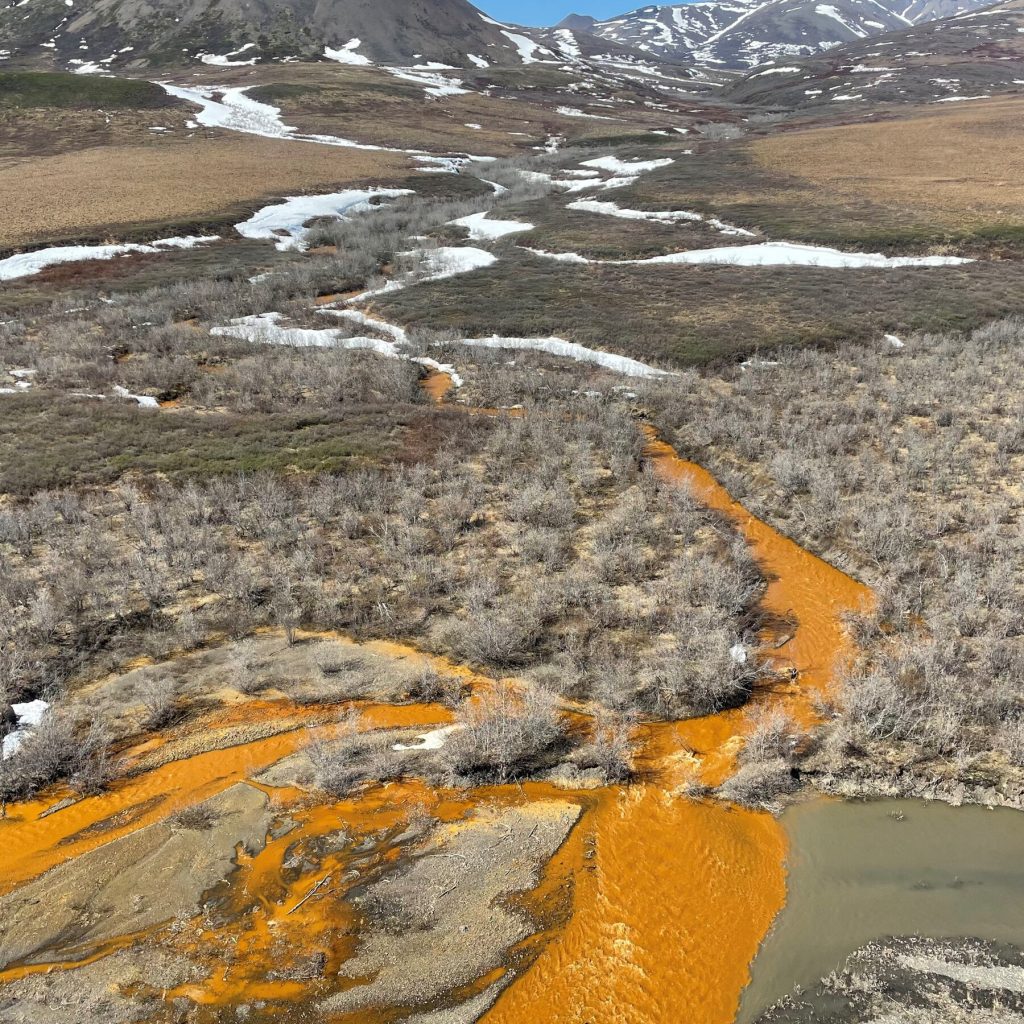
One of the most striking observations comes from Alaska, where more than 200 rivers are now exhibiting a reddish tint. Scientists attribute this “rusting” effect to the leaching of iron‑rich minerals from thawing tundra soils. As permafrost melts, previously trapped sediments dissolve into waterways, giving the rivers a distinctive rusty hue and altering water chemistry.
The combined impact of higher temperatures, increased rain, and mineral runoff threatens Arctic ecosystems. Freshwater species face changing habitats, while Indigenous communities that rely on clear water for drinking and fishing must adapt to new environmental challenges.
The report underscores the urgency of mitigating greenhouse‑gas emissions and bolstering adaptation strategies. Continued monitoring will be essential to track the pace of change and to inform policy decisions aimed at preserving the fragile Arctic environment.