Aydın,
3°C
açık

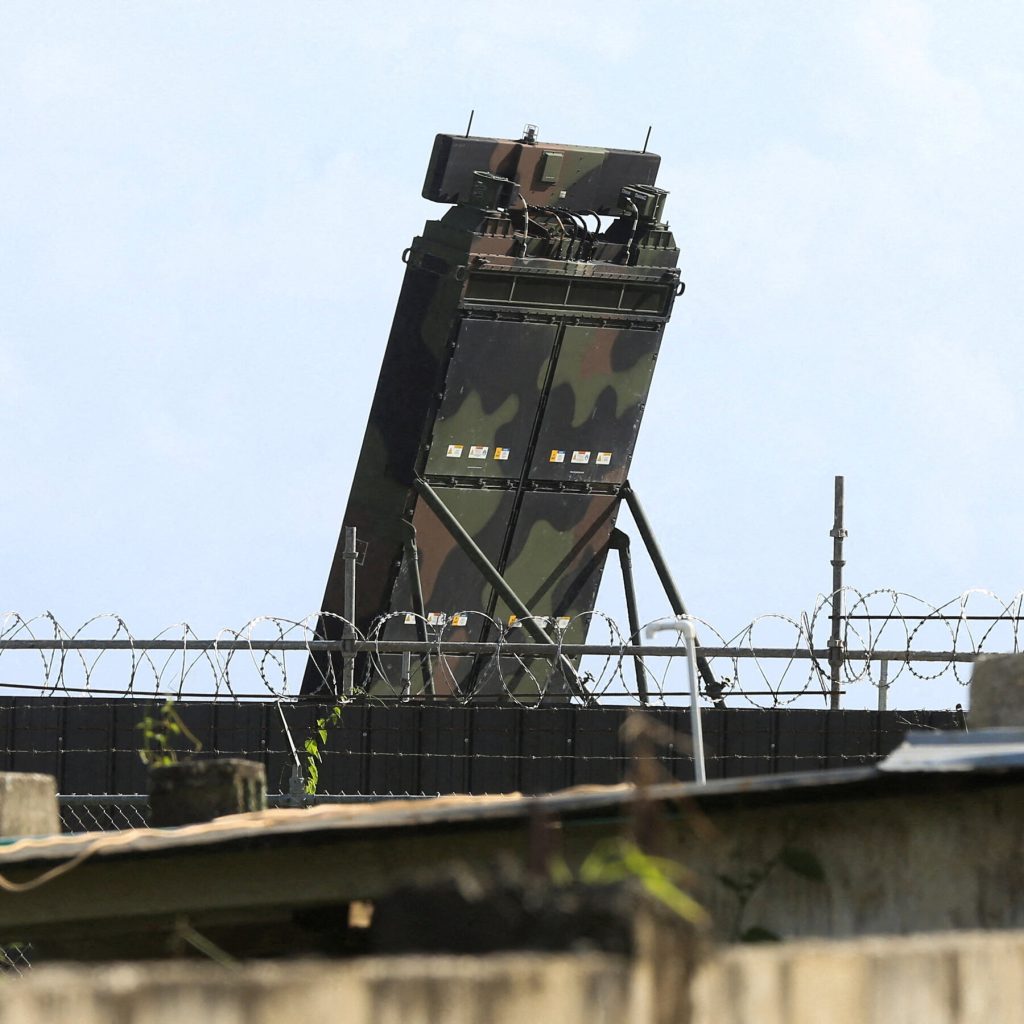
Government officials from both the United States and Trinidad and Tobago announced that a contingent of U.S. Marines has installed a state‑of‑the‑art radar system on the island of Tobago. The device is being positioned as a tool to bolster regional anti‑drug operations and to monitor suspicious maritime activity linked to Venezuela.
The radar, described by defense experts as a high‑frequency surveillance platform, is primarily engineered for airborne and sea‑based detection. Analysts caution that its specifications make it poorly suited for ground‑level operations, raising doubts about how effective it will be in Tobago’s varied terrain.
This deployment signals a deepening of Trinidad and Tobago’s cooperation with Washington amid the ongoing geopolitical rivalry with Caracas. While the government portrays the installation as a security upgrade, opposition voices warn that the small island nation may be drawn further into a conflict driven by larger powers.
Observers across the Caribbean note that similar radar systems have been used elsewhere to track narcotics shipments, yet this particular installation appears to be part of a broader strategy aimed at curbing Venezuelan influence in the Southern Caribbean. The United Nations Office on Drugs and Crime welcomed any measure that could disrupt drug trafficking, but it also called for greater transparency about the radar’s operational parameters.
Both U.S. and Trinidadian authorities say they will evaluate the radar’s performance once it becomes fully operational. The next few months will reveal whether this high‑tech asset can deliver tangible results in drug interdiction or if it will remain largely symbolic in a complex geopolitical landscape.