Aydın,
3°C
açık

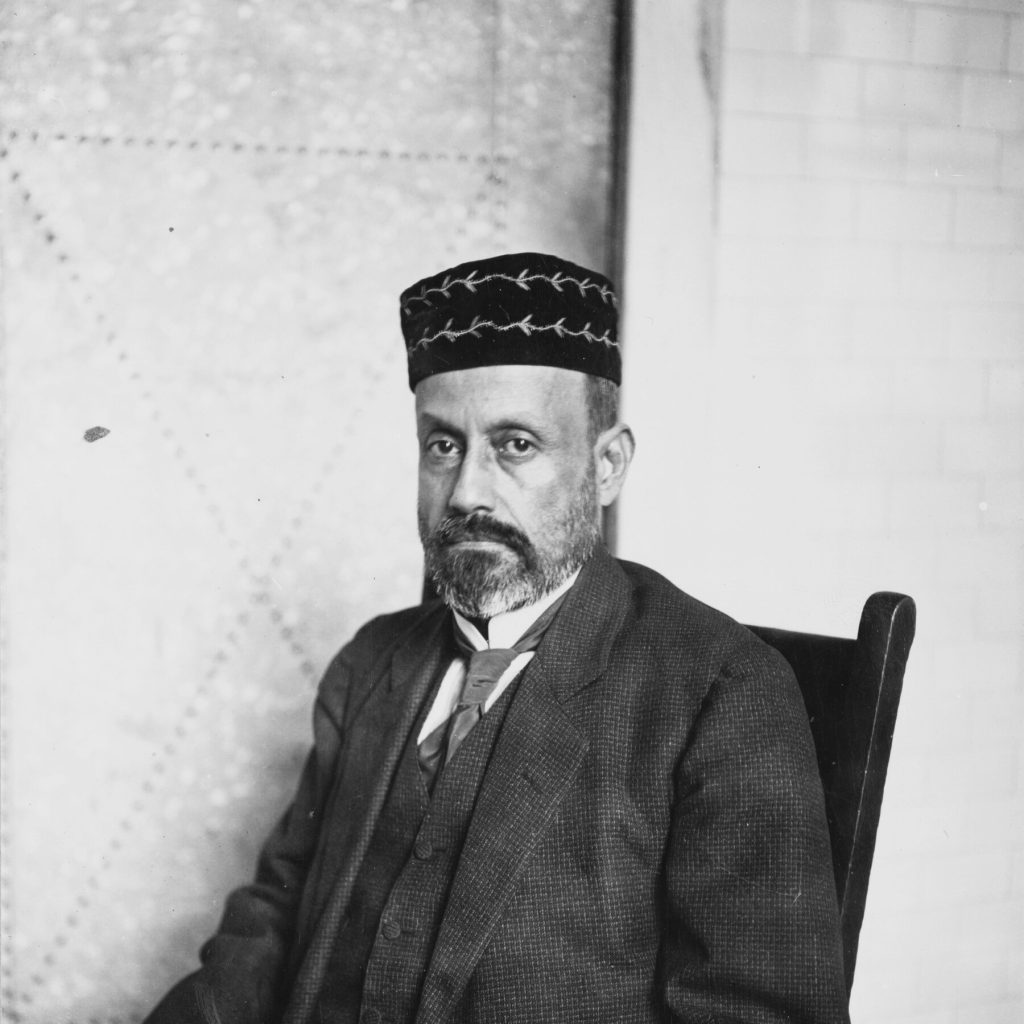
At the turn of the twentieth century, Venezuela found itself at the crossroads of ambition and resentment. The nation’s coffers were empty, its infrastructure crumbling, and its leader—Juan Vicente Gómez, a flamboyant former soldier known for his love of music and midnight dances—was more interested in personal power than in fiscal responsibility. Foreign creditors, especially British and German banks, watched the chaos with growing impatience, demanding repayment of debts that had been contracted under previous administrations.
Across the Gulf of Mexico, the United States was busy redefining its role on the world stage. President Theodore Roosevelt championed the doctrine of “big‑stick diplomacy,” insisting that America could no longer tolerate European powers using force to collect private debts in the Western Hemisphere. In Roosevelt’s view, any foreign naval action near the Americas threatened the very principle of the Monroe Doctrine.
In December 1902, a coalition of Britain, Germany, and Italy dispatched warships to Venezuelan waters, demanding immediate repayment and threatening a full naval blockade. The European fleets anchored off the ports of Puerto Cabello and La Guaira, effectively choking the nation’s trade. As the blockade tightened, Venezuelan merchants saw their ships seized, and foreign bankers—once hopeful of quick returns—found their assets “in chains,” unable to move capital out of the country.
Rather than capitulating, Gómez turned the crisis into a theatrical performance. He ordered his troops to parade through Caracas in full military regalia, while he himself appeared at public festivals, dancing to traditional drums—a symbolic gesture meant to show that the nation’s spirit remained unbroken. “We will not bow to foreign guns,” he declared, “nor will we surrender our sovereignty for the sake of a few foreign bankers.”
Roosevelt, unwilling to let European powers establish a foothold so close to the American continent, dispatched the USS Yorktown to the Caribbean. He invoked the Arsenal of Democracy—later coined in World War II—to pressure the European navies into negotiations. In a series of diplomatic notes, the United States warned that any continued aggression would be seen as a direct challenge to American hegemony in the hemisphere.
Faced with the prospect of a larger conflict with the United States, Britain, Germany, and Italy agreed to suspend the blockade and enter arbitration. The resulting 1903 Washington Protocols established a mixed‑commission that oversaw Venezuela’s debt repayments, while guaranteeing that future European interventions would be mediated through the U.S. This compromise marked a turning point: it affirmed America’s emerging role as the “policeman” of the Western Hemisphere and forced European powers to respect the Monroe Doctrine in practice.
Historians often overlook this episode, focusing instead on the more dramatic events of the early twentieth century. Yet the 1902‑1903 crisis illustrates how a single charismatic leader—dancing through the streets while his nation was under siege—could shape international diplomacy. It also underscores the lasting impact of financial entanglements: when “bankers are in chains,” the ripples are felt far beyond the balance sheets, influencing the balance of power on a global scale.