Aydın,
10°C
parçalı bulutlu

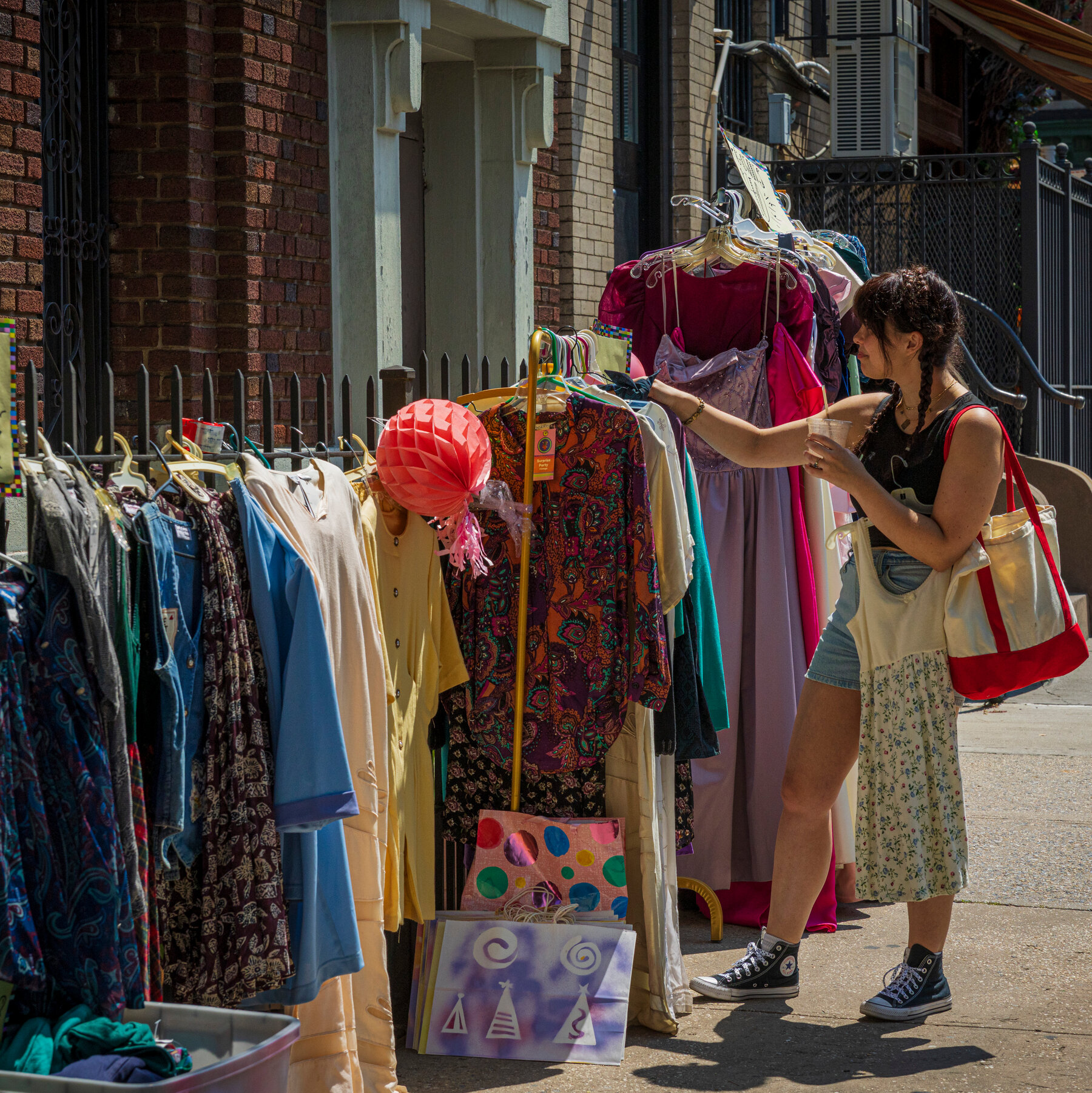
During a bustling stoop sale on a sun‑lit Brooklyn block, a curious reporter noticed a collection of vintage items that seemed out of place. The eclectic mix—old postcards, hand‑stitched quilts, and a weathered wooden chest—sparked a hunch that the goods had a story worth chasing.
After interviewing the seller and gathering a few serial numbers, the reporter traced the origin of the merchandise to a small town in Georgia. The trail pointed to a reclusive entrepreneur known only as Miss Paula, whose reputation for curating rare antiques has become something of a local legend.
Miss Paula is a figure shrouded in both admiration and intrigue. Residents describe her as a “guardian of forgotten treasures,” someone who rescues items destined for landfill and gives them a second life. Yet, she rarely grants interviews, preferring the quiet of her attic workshop to the glare of the media.
Through a combination of public records, social‑media sleuthing, and a few well‑placed phone calls, the reporter finally secured a meeting at Miss Paula’s Georgian farmhouse. Inside, the walls were lined with shelves of artifacts that matched the Brooklyn find—each piece bearing a subtle, hand‑carved mark that identified its provenance.
The discovery highlights the unexpected pathways through which history travels. A simple sidewalk sale turned into a cross‑state narrative, reminding us that everyday objects often carry stories that span generations and geography.
As the reporter prepares to publish the full account, Miss Paula remains an enigmatic steward of the past, continuing to rescue and rehome relics that might otherwise be lost. Her quiet dedication serves as a reminder that the most fascinating tales can begin on a humble Brooklyn stoop.