Aydın,
-4°C
açık

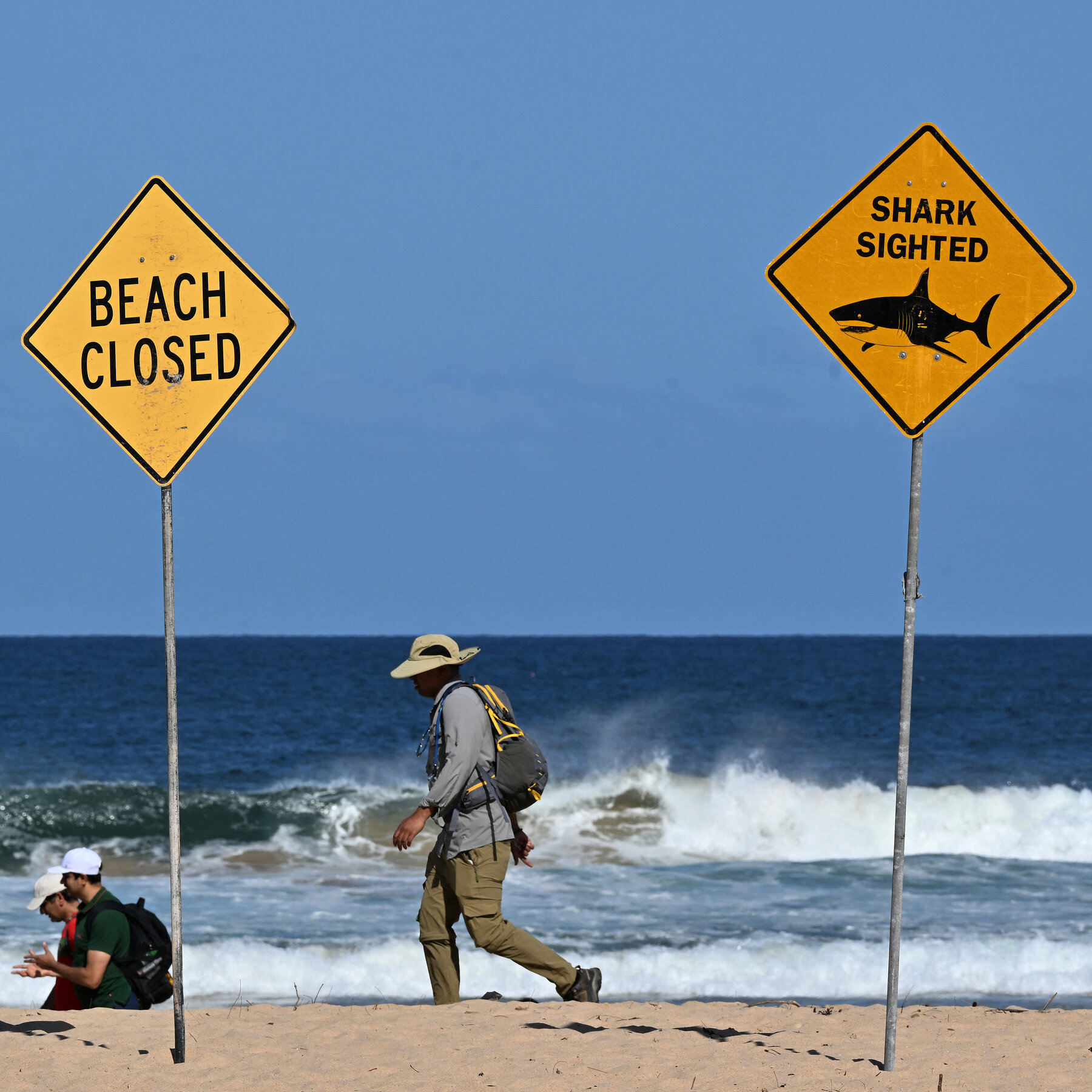
For decades, shark‑control nets have been a staple of Sydney’s coastal safety strategy. Installed at popular surf spots, the nets are intended to reduce the risk of shark encounters for swimmers, surfers, and tourists.
Environmental groups and marine scientists argue that the nets cause significant collateral damage. Non‑target species—including turtles, dolphins, and rays—often become entangled, leading to injury or death. “We’re protecting people at the expense of an entire ecosystem,” says Dr. Maya Patel, a marine biologist at the University of New South Wales.
In the past year, Sydney has witnessed a series of high‑profile shark incidents. The attacks have reignited public fear and prompted officials to reconsider the timeline for removing the nets. While some community members demand immediate action, authorities caution that a sudden withdrawal could leave swimmers vulnerable.
The government is now exploring alternatives, such as drone surveillance, electronic deterrents, and increased beach patrols. These measures aim to maintain public safety while mitigating the ecological impact of traditional nets.
As the conversation continues, policymakers must weigh the short‑term safety benefits against the long‑term health of marine habitats. The outcome will shape not only Sydney’s beaches but also the broader approach to shark management across Australia.