
Aydın,
1°C
açık

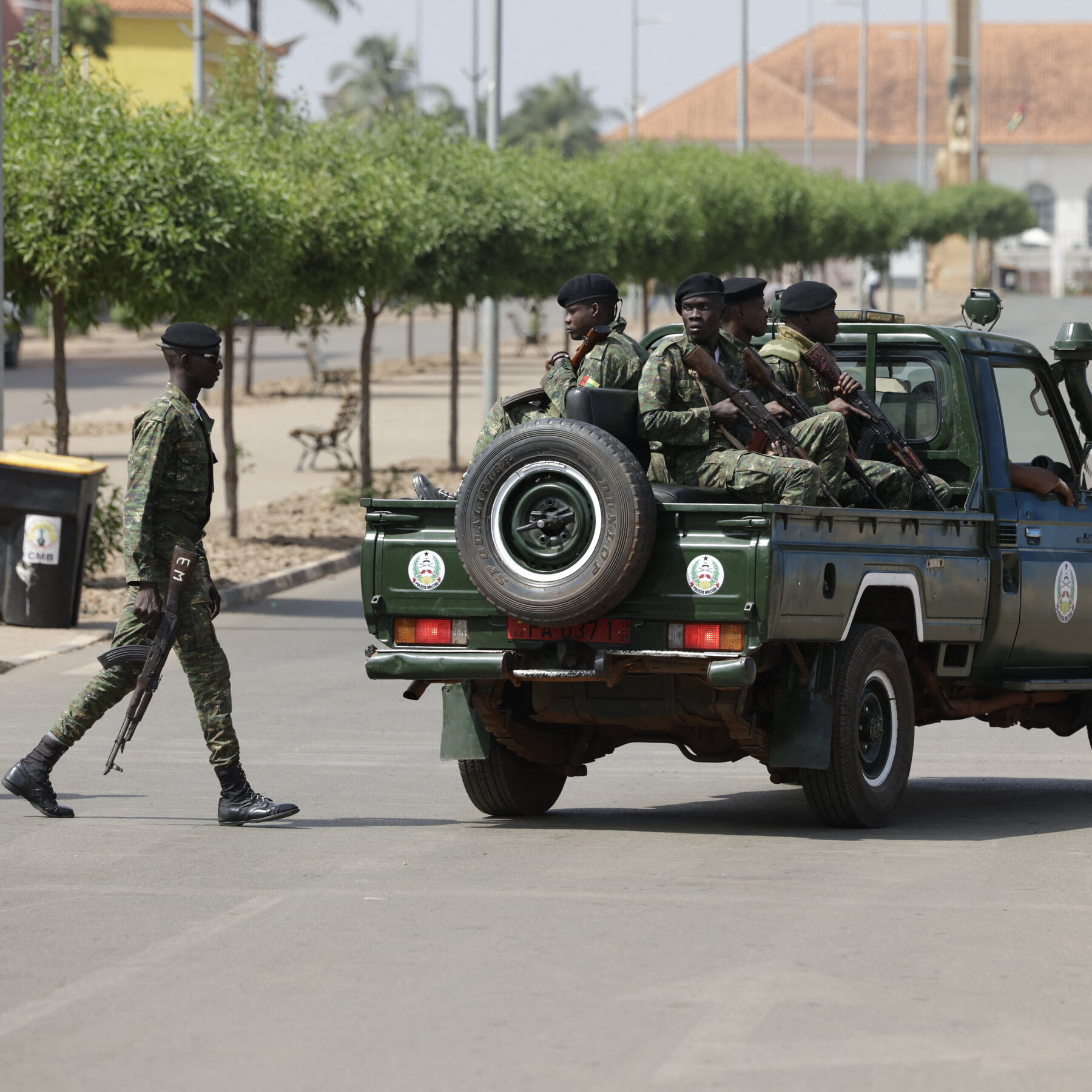
The West African nation of Guinea‑Bissau has been thrust back into political turmoil after the military intervened and took control of the government. The move follows weeks of escalating tension surrounding the country’s recent presidential election.
In the disputed vote, the main opposition party was barred from appearing on the ballot, prompting widespread accusations of electoral manipulation. Critics argue that the exclusion of the opposition undermined the legitimacy of the entire process and fueled public unrest.
Late last night, senior officers announced that they had assumed authority to “restore order and ensure a credible transition.” The statement, released via a televised address, emphasized that the army’s intervention was temporary and aimed at safeguarding national stability.
Pro‑government supporters welcomed the army’s action, claiming it was necessary to prevent further chaos. Conversely, opposition leaders and civil‑society groups condemned the coup, warning that the suspension of democratic norms could plunge the country into deeper crisis.
Regional bodies, including the Economic Community of West African States (ECOWAS), have called for an immediate return to civilian rule and the organization of free, inclusive elections. The United Nations and several European nations urged restraint, urging all parties to engage in dialogue.
With the military now at the helm, the future of Guinea‑Bissau remains uncertain. Observers stress that a transparent electoral process and the inclusion of all political factions will be essential for restoring both domestic confidence and international credibility.




Guinea-Bissau’da yaşanan askeri darbe hakkında endişe verici gelişmeler var. Umarım bir an önce demokratik süreçler normale döner.