Aydın,
-4°C
açık

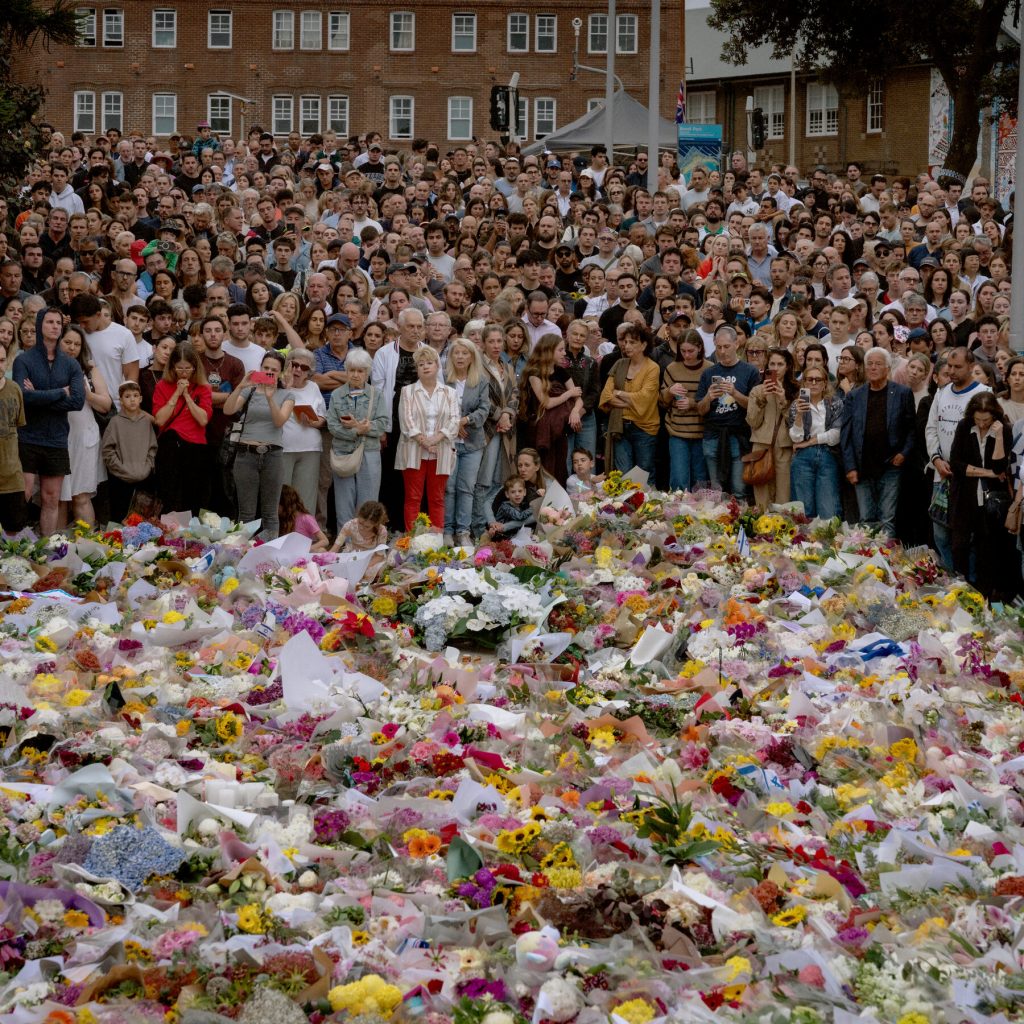
In the wake of the devastating attack on Bondi Beach that claimed 15 lives, both the Jewish and Muslim communities across Australia are confronting a wave of anxiety. Jewish families are expressing deep concerns about the possibility of further violence targeting their congregations, while many Muslim Australians worry about a potential backlash that could arise from heightened public scrutiny.
The shooting, which occurred during a Hanukkah celebration, has left many Jews feeling vulnerable and unsettled. Community leaders are urging authorities to increase security at synagogues and cultural events, emphasizing that safety must be a priority as the holiday season approaches.
Meanwhile, Muslim organizations are calling for calm and vigilance, fearing that the tragedy could fuel prejudice against their own communities. Leaders are urging the public and media to avoid broad-brush narratives that could stoke division, and they are working closely with law‑enforcement agencies to monitor any signs of hate‑driven incidents.
Prime Minister Anthony Albanese has pledged a thorough investigation and promised additional resources for community safety programs. In a recent press conference, he stated, “Australia must stand together, reject hatred, and ensure that no group feels targeted or unsafe.” The government is also consulting with both Jewish and Muslim representatives to develop a coordinated response that addresses security concerns while fostering social cohesion.
As the nation mourns the lives lost, the broader challenge lies in preventing further polarization. Experts suggest that a combination of increased security measures, community dialogue, and robust anti‑hate legislation could help Australia navigate this crisis. By acknowledging the fears of all affected groups and working collaboratively, the country hopes to restore a sense of safety and unity.