Aydın,
-4°C
açık

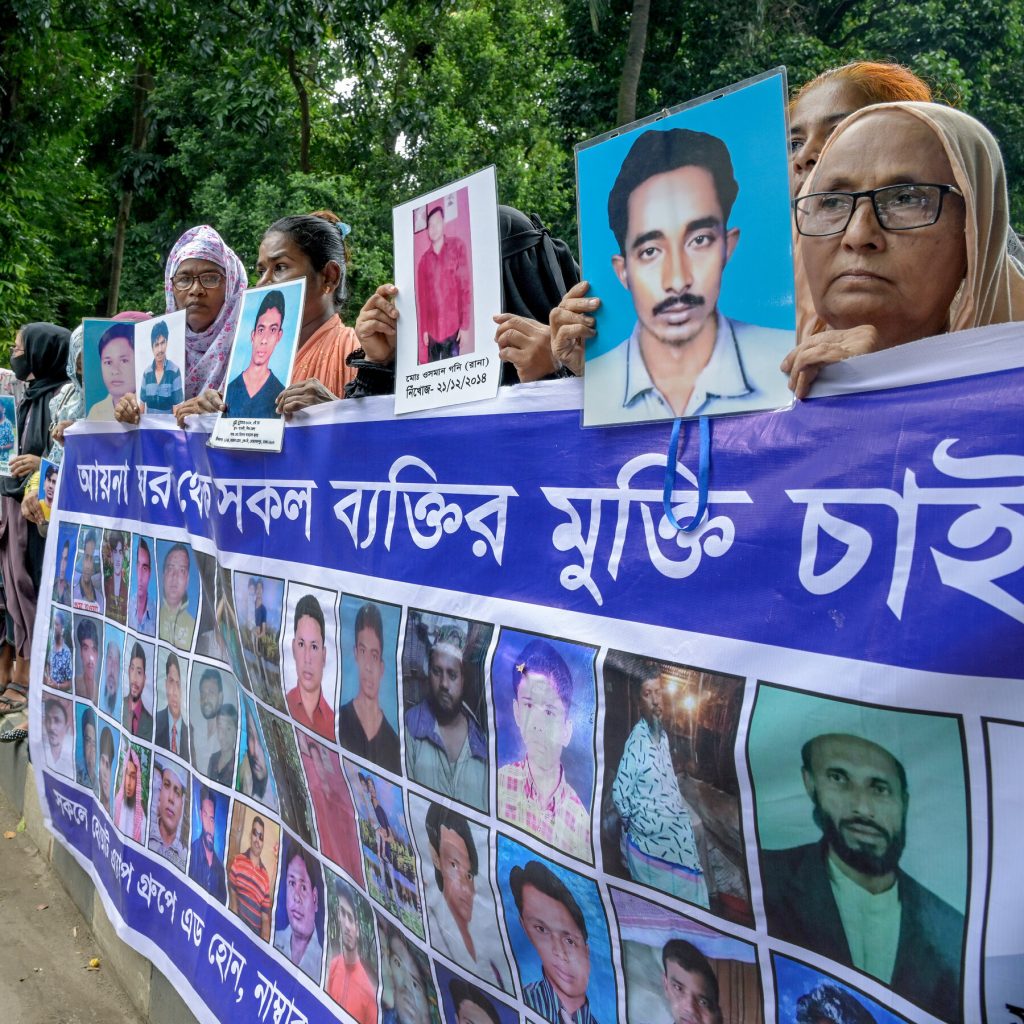
In a significant move to confront its tumultuous past, Bangladesh has detained several army officers accused of committing crimes during the previous authoritarian regime. The development comes as part of a broader effort by the country to hold accountable those responsible for human rights abuses and other offenses under the rule of former Prime Minister Sheikh Hasina, who fled the country in August amidst a mass uprising.
The authorities issued arrest warrants for more than two dozen individuals, including high-ranking military officers, on allegations of involvement in extrajudicial killings, enforced disappearances, and torture. The detained officers are believed to have played a role in the brutal suppression of dissent and opposition during Hasina’s tenure, which was marked by widespread human rights abuses and a crackdown on free speech.
The detentions signal a major shift in Bangladesh’s approach to dealing with its authoritarian past. Since Hasina’s departure, the country has been undergoing a period of significant change, with a new interim government taking charge and vowing to restore democracy and the rule of law.
The move to bring the army officers to justice has been welcomed by human rights groups and activists, who have long called for accountability for the abuses committed during Hasina’s rule. However, concerns remain about the challenges ahead in ensuring a fair and transparent trial process, given the complex web of power dynamics and allegiances within the country’s security establishment.
As Bangladesh navigates this critical period, the detention of the army officers accused of crimes under the previous regime serves as a crucial step towards healing the wounds of the past and rebuilding trust in the country’s institutions. The international community is watching closely, with many urging the authorities to ensure that those responsible for abuses are held accountable and that the country stays on the path towards democracy and human rights.