Aydın,
10°C
parçalı bulutlu

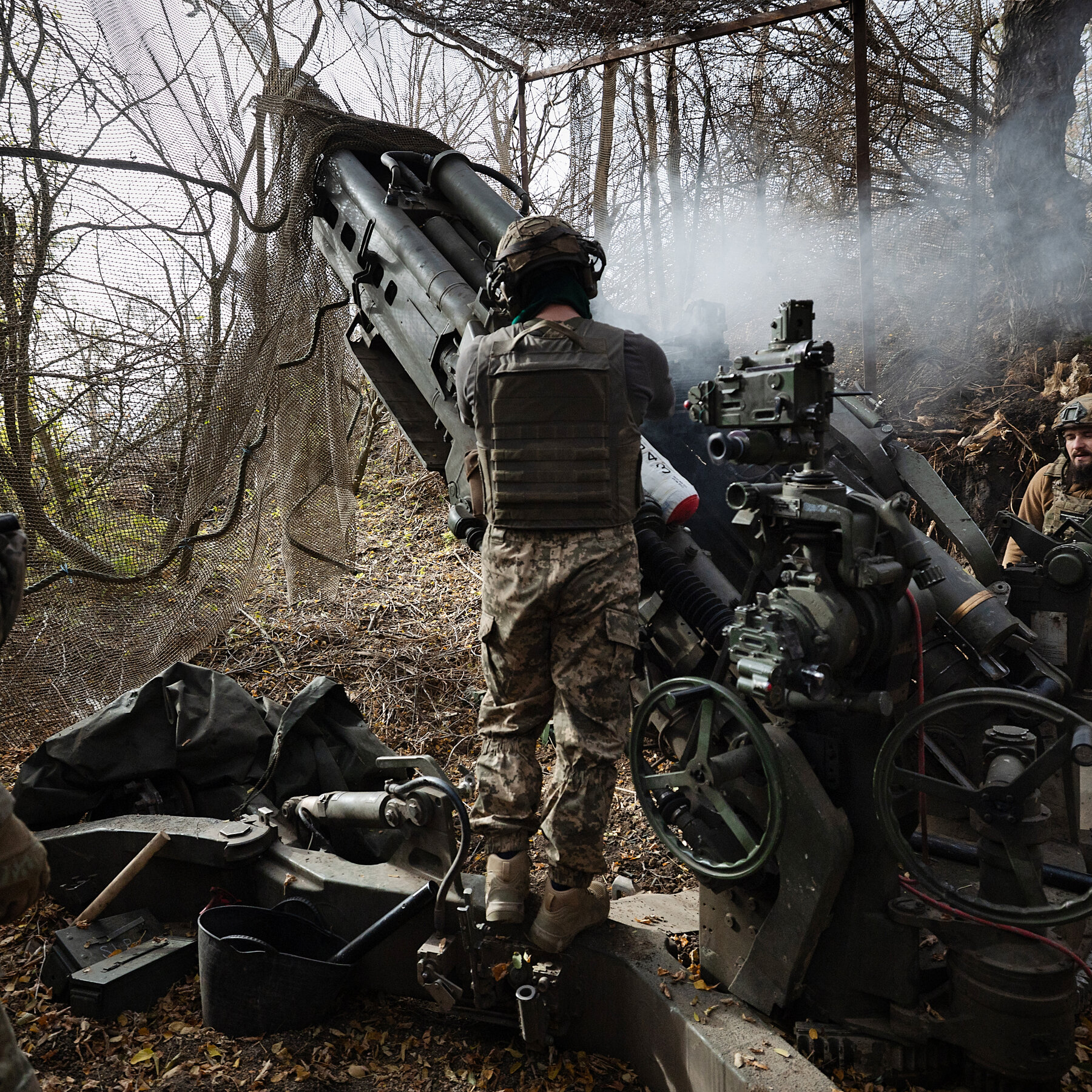
In the past week Russian troops have deepened their foothold in the south and east of Ukraine, capturing additional villages near Kherson and pushing forward in the Donetsk region. Heavy artillery and air strikes have forced Ukrainian units to retreat from several strategic positions, creating a new line of contact that stretches from the Black Sea coast to the industrial heartland of the Donbas.
Analysts say the latest advances reflect a coordinated effort to exploit the current political uncertainty in Kyiv and Washington, aiming to secure territorial gains before any diplomatic breakthrough can be reached.
President Donald J. Trump has publicly called for an immediate cease‑fire and a “fair” peace deal that would end the conflict, arguing that prolonged fighting only harms both nations. His administration has begun informal talks with European allies and Ukrainian officials, urging a diplomatic path that would involve concessions on both sides.
Critics warn that a rushed settlement could legitimize Russia’s recent conquests and leave Ukraine without the security guarantees it needs.
After a series of high‑level discussions with U.S. officials, President Vladimir V. Putin reiterated that Russia will not compromise on its principal conditions. In a brief statement, he said, “We are prepared to talk, but the fundamental issues—recognition of the territories we have liberated and the removal of NATO threats—remain non‑negotiable.”
The steadfast stance underscores the difficulty of achieving a mutually acceptable agreement and suggests that any peace plan will have to address Russia’s security concerns while safeguarding Ukraine’s sovereignty.