Aydın,
3°C
açık


In a surprising turn of events, the Belarusian government has freed several high‑profile detainees, among them a Nobel Peace Prize laureate and a well‑known opposition leader. The releases come after weeks of diplomatic overtures between Washington and Minsk, signaling a tentative thaw in relations that have been strained for years.
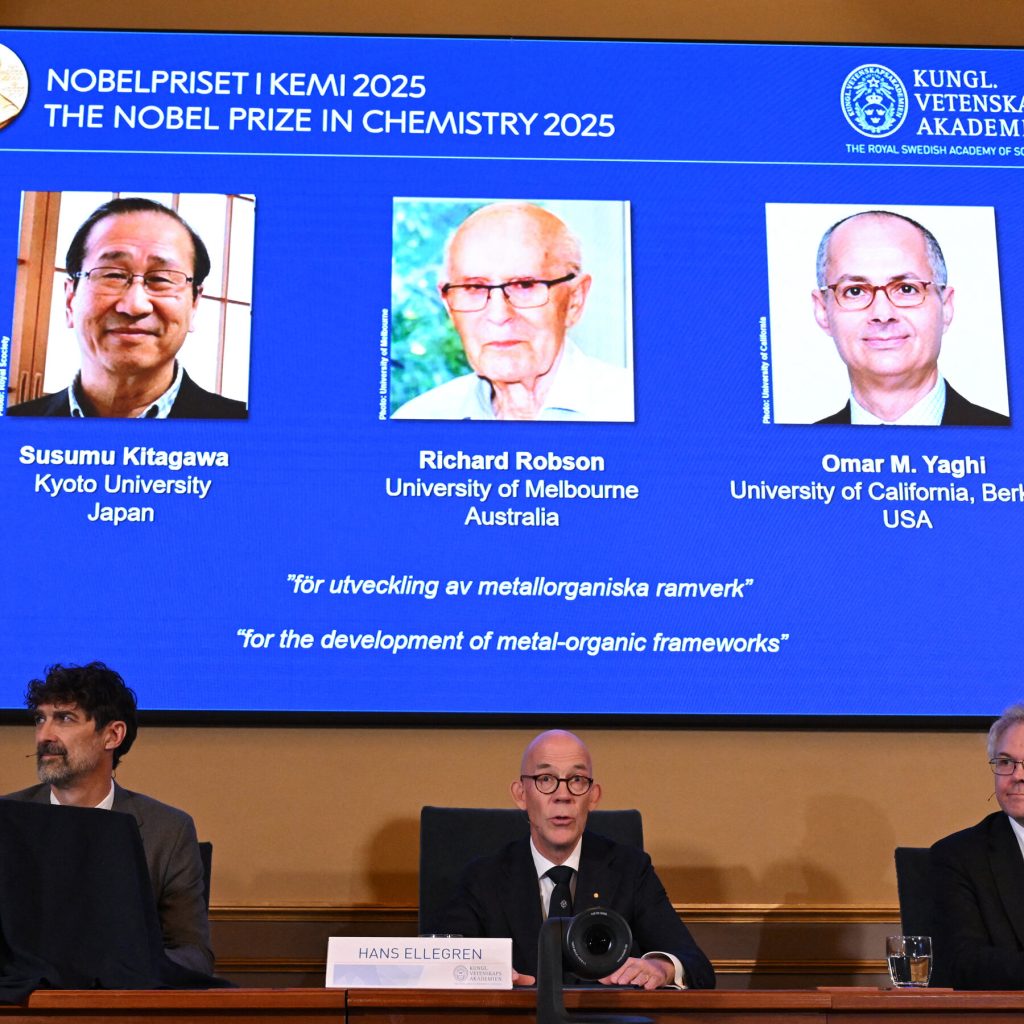
Alexei Mikhailov, the 2023 Nobel laureate for his work on humanitarian mediation, had been held since 2021 on charges widely condemned by the international community. Human rights groups hailed his release as a “significant step toward justice.”
Opposition stalwart Olga Kovalenko, founder of the Freedom Now movement, was also granted freedom after serving a five‑year sentence for “undermining state security.” Her liberation was praised by Western leaders as a “victory for democratic values.”
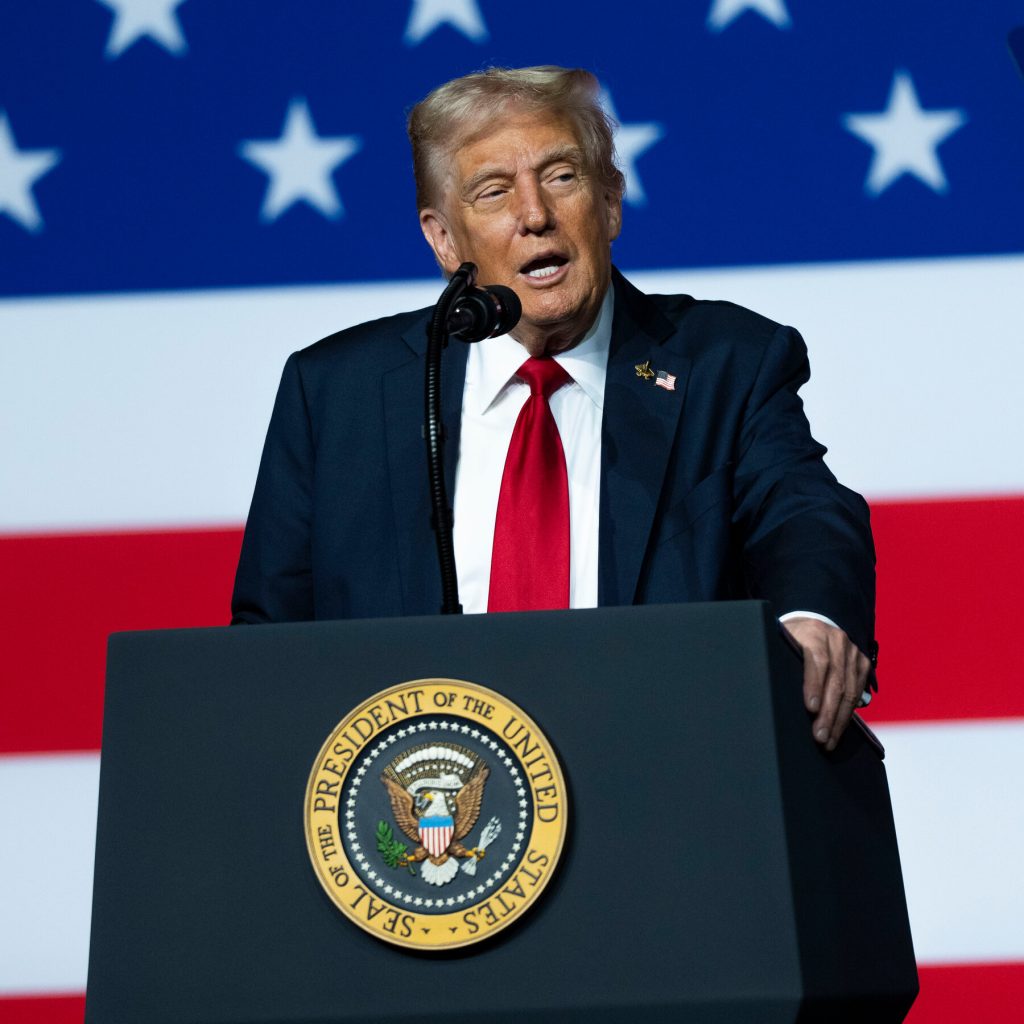
Concurrently, the United States announced a partial rollback of trade sanctions imposed on Belarus in 2022. While restrictions on arms exports remain in place, the U.S. will now allow limited agricultural and technology imports, pending a review of Minsk’s compliance with human‑rights commitments.
The dual move—prisoner releases and sanction relief—suggests a strategic recalibration by both capitals. Analysts note that the United States hopes to leverage economic incentives to encourage further political liberalization, while Belarus aims to mitigate the economic fallout from prolonged isolation.
European Union officials welcomed the development, urging Minsk to continue “transparent and constructive dialogue.” Meanwhile, critics caution that the measures are “insufficient” without concrete reforms in the judicial system and media freedom.
Both sides have agreed to schedule a series of high‑level talks over the next three months, focusing on election integrity, civil liberties, and the gradual lifting of remaining sanctions. The world will be watching closely to see whether this tentative rapprochement can evolve into a lasting partnership.