Aydın,
-4°C
açık

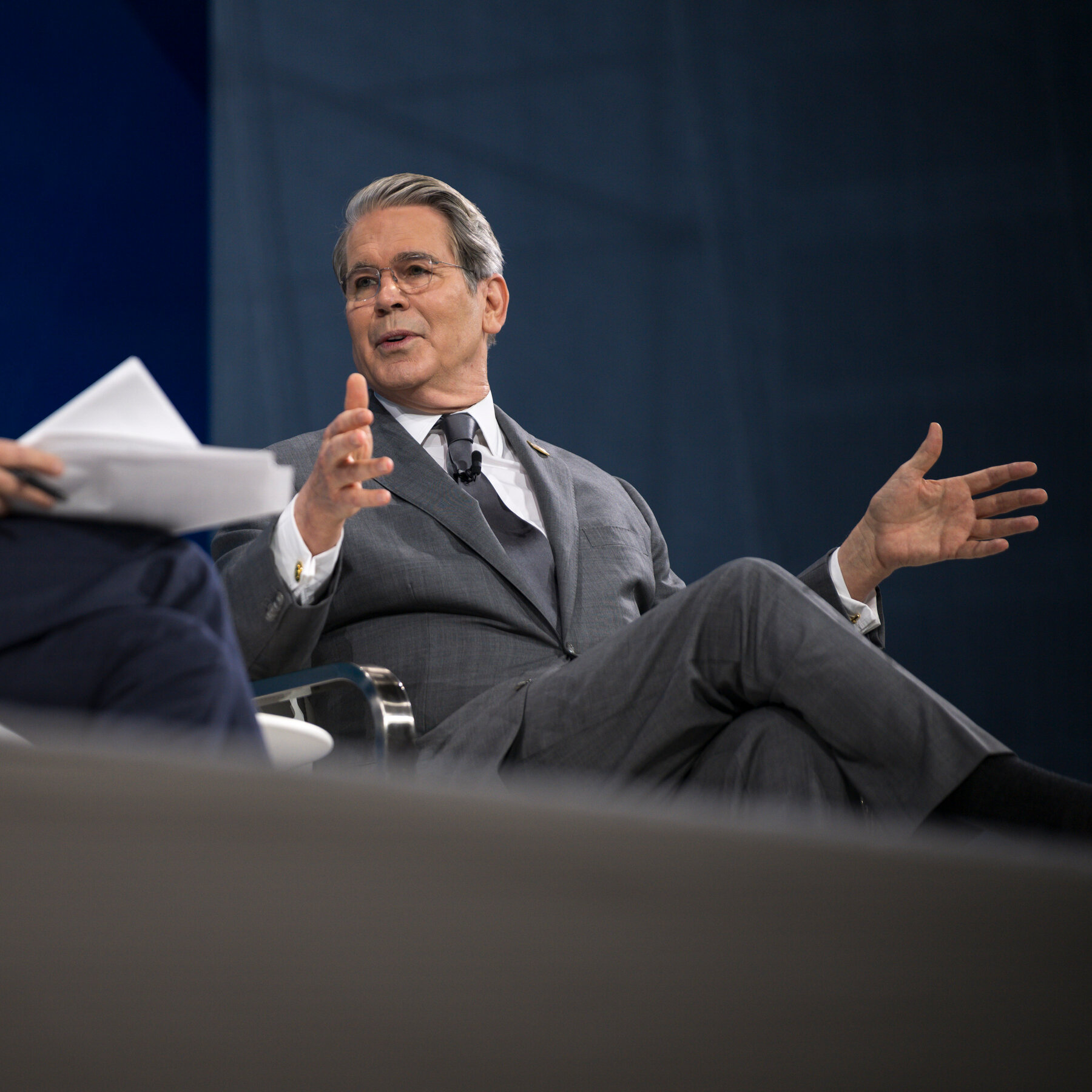
In a recent press briefing, Treasury Secretary Janet Bessent pushed back against growing criticism that former President Donald Trump’s tariff agenda is driving the nation’s inflationary pressures. She argued that the data show a different story.
“The import levies imposed during the Trump administration have not been a primary catalyst for the price spikes we’re seeing today,” Bessent stated, pointing to recent reports from the Bureau of Labor Statistics and the Office of Trade and Economic Analysis.
According to the secretary, the primary drivers of inflation are supply‑chain disruptions, heightened energy costs, and a surge in consumer demand following the pandemic’s reopening. “While tariffs do affect the cost of certain goods, their overall impact on the consumer price index is marginal compared to these broader forces,” she added.
Economic analysts have offered mixed reactions. Some agree that the timing of the tariffs—most of which were enacted before the pandemic—limits their relevance to today’s inflationary environment. Others caution that the cumulative effect of higher import costs could still be felt in specific sectors, such as steel, aluminum, and automotive parts.
Bessent concluded by urging policymakers to focus on targeted solutions that address supply bottlenecks and energy pricing, rather than using tariffs as a scapegoat for a complex economic issue.