Aydın,
2°C
parçalı bulutlu

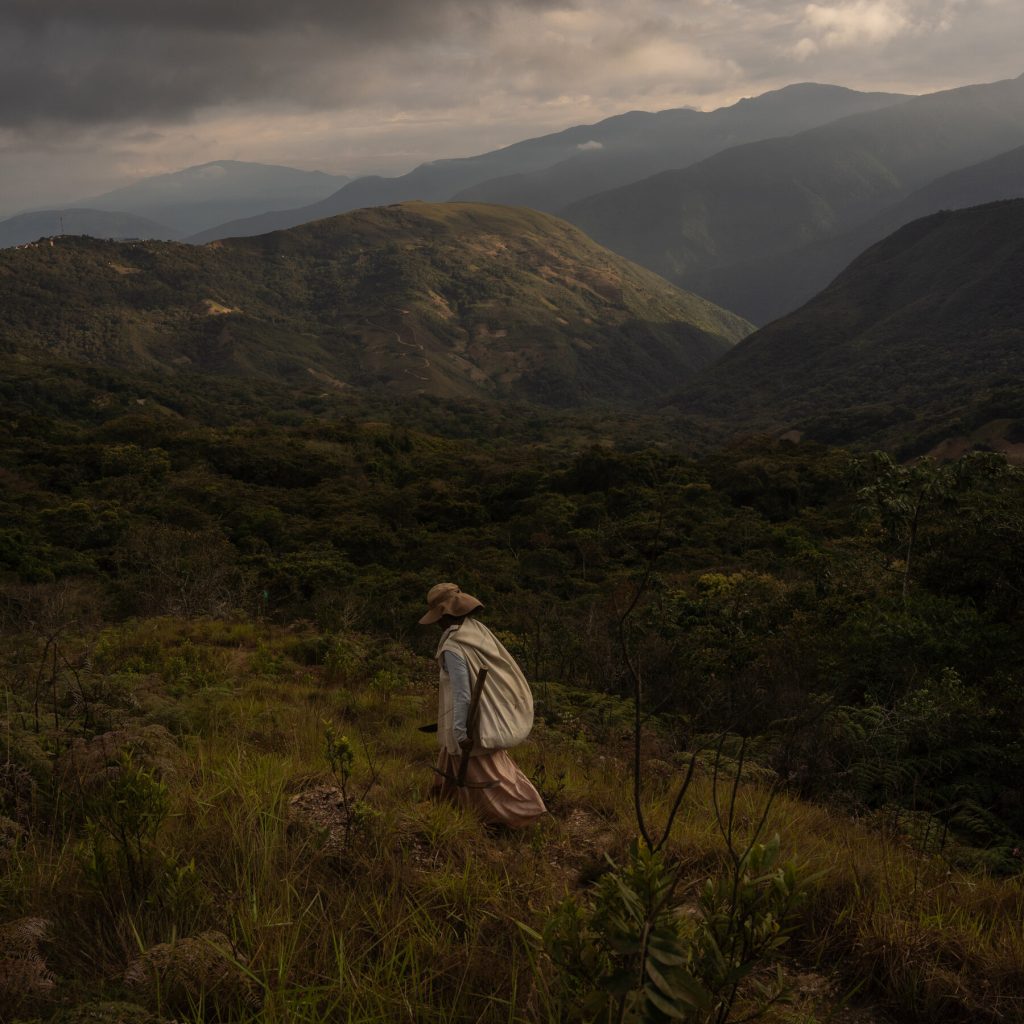
In the heart of South America, the coca leaf, a traditional and culturally significant crop in Bolivia, is slowly beginning to shed its notorious reputation. For decades, the leaf has been unfairly linked to the production of cocaine, a stigma that has led to its widespread criminalization and strict international controls. However, the Bolivian government, determined to reclaim the leaf’s heritage and economic potential, is now lobbying the United Nations to ease these restrictions.
Coca, a plant native to the Andean region, has been an integral part of Bolivian life for centuries. The leaf has been used in traditional medicine, rituals, and as a symbol of hospitality. However, in the 1960s and 1970s, the cocaine trade began to taint the leaf’s reputation, and it was subsequently classified as a controlled substance under the United Nations Convention on Narcotic Drugs.
The Bolivian government, under the leadership of President Evo Morales, a coca farmer himself, has long argued that the leaf’s association with cocaine is unjust and has caused significant economic hardship for coca farmers. In 2011, Bolivia submitted a request to the World Health Organization (WHO) to recognize the coca leaf’s medicinal properties and to reclassify it. Although the WHO acknowledged the leaf’s potential benefits, no reclassification was made.
Undeterred, Bolivia continues to push for change. The government has been actively engaging with the United Nations Office on Drugs and Crime (UNODC) and other international organizations to raise awareness about the coca leaf’s cultural significance and to challenge its stigmatization.
The Bolivian ambassador to the United Nations, Juan Luis Titicar, has been a vocal advocate for the leaf’s reclamation. “The coca leaf has been unfairly stigmatized and associated with cocaine,” he said. “We are working to demonstrate that coca is a plant with multiple uses and benefits, and that it deserves to be treated with respect and dignity.”
The push to rebrand the coca leaf is not only about rehabilitation but also about economic empowerment. Coca is a lucrative crop, and many Bolivian farmers rely on it for their livelihood. By reclassifying the leaf, the government hopes to unlock new markets and opportunities for these farmers, while also promoting sustainable and responsible cultivation practices.
While progress has been slow, there are signs that attitudes are shifting. In recent years, some countries, including Peru and Ecuador, have begun to reexamine their stance on coca, recognizing its cultural and medicinal value. The Bolivian government’s perseverance and commitment to promoting the leaf’s positive uses may eventually lead to a reevaluation of its status under international law.
As the debate continues, one thing is clear: the coca leaf’s story is complex, multifaceted, and deeply rooted in Bolivian culture. By pushing to reclaim its heritage, Bolivia is not only seeking to challenge international perceptions but also to restore the leaf’s rightful place as a valued and respected part of its national identity.