Aydın,
3°C
açık

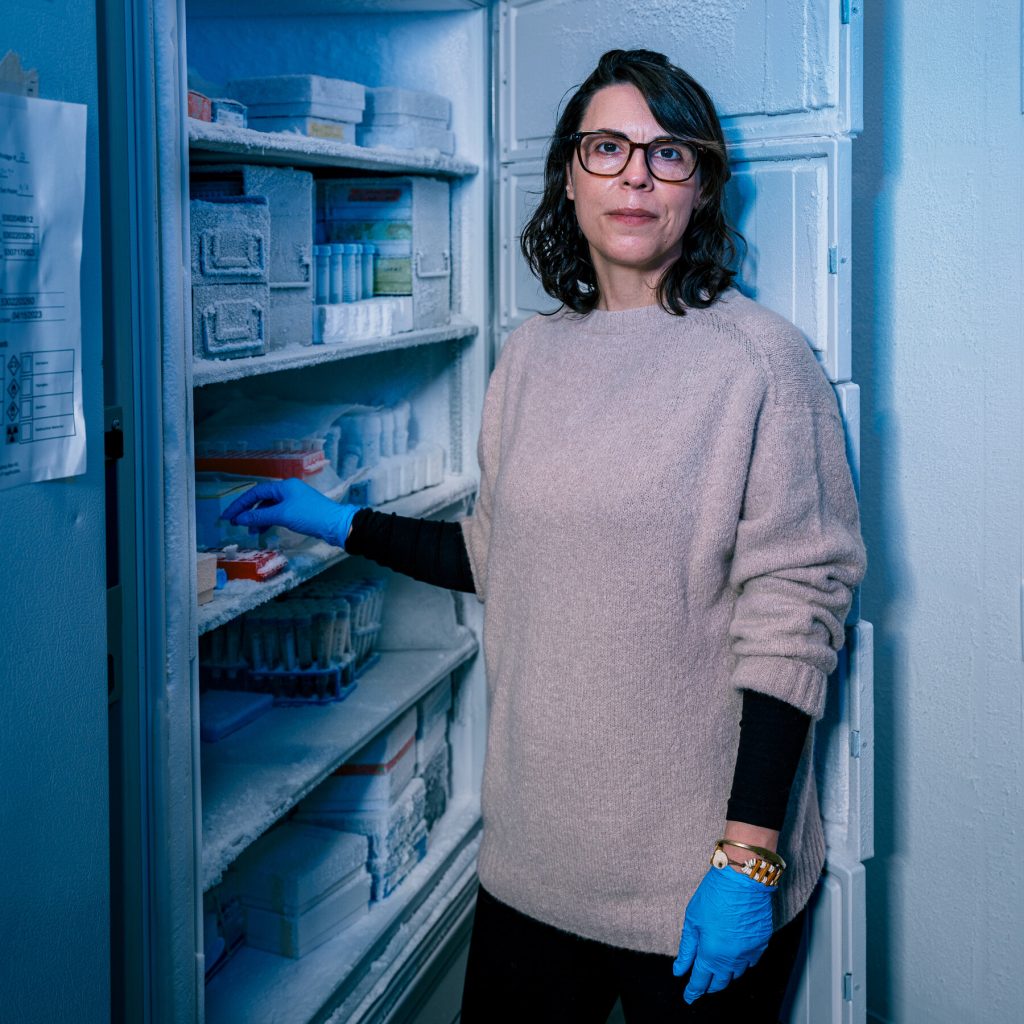
Brenna Henn, a renowned geneticist at the University of Washington, secured a multi‑year grant from the National Institutes of Health (NIH) to explore the genetic diversity of African populations and people of African descent worldwide. The project aimed to fill critical gaps in genomic databases, improve disease risk prediction, and develop more equitable precision‑medicine tools.
The underrepresentation of African genomes in global research has long hindered the accuracy of genetic tests for many conditions. Henn’s work promised to:
In early 2024, the NIH announced a reduction in the grant’s budget, effectively halting the project’s momentum. The decision came amid broader budgetary constraints and a shift in funding priorities toward other research areas. Henn and her team were given only a brief notice, leaving them scrambling to secure alternative support.
The abrupt cut has reverberated beyond Henn’s laboratory. Colleagues warn that the loss of sustained funding could delay critical discoveries, exacerbate existing health disparities, and undermine confidence among underrepresented researchers seeking NIH backing.
Undeterred, Henn is exploring collaborations with private foundations, international agencies, and community‑driven initiatives to keep the data collection effort alive. She emphasizes the importance of diverse genetic resources for the future of medicine and urges policymakers to reconsider funding allocations.
While the NIH funding setback is a setback, the scientific community remains hopeful that renewed investment will eventually restore momentum to this vital line of inquiry. Henn’s determination serves as a reminder that advancing genetic medicine for all populations requires persistent advocacy and diversified support.