Aydın,
-4°C
açık

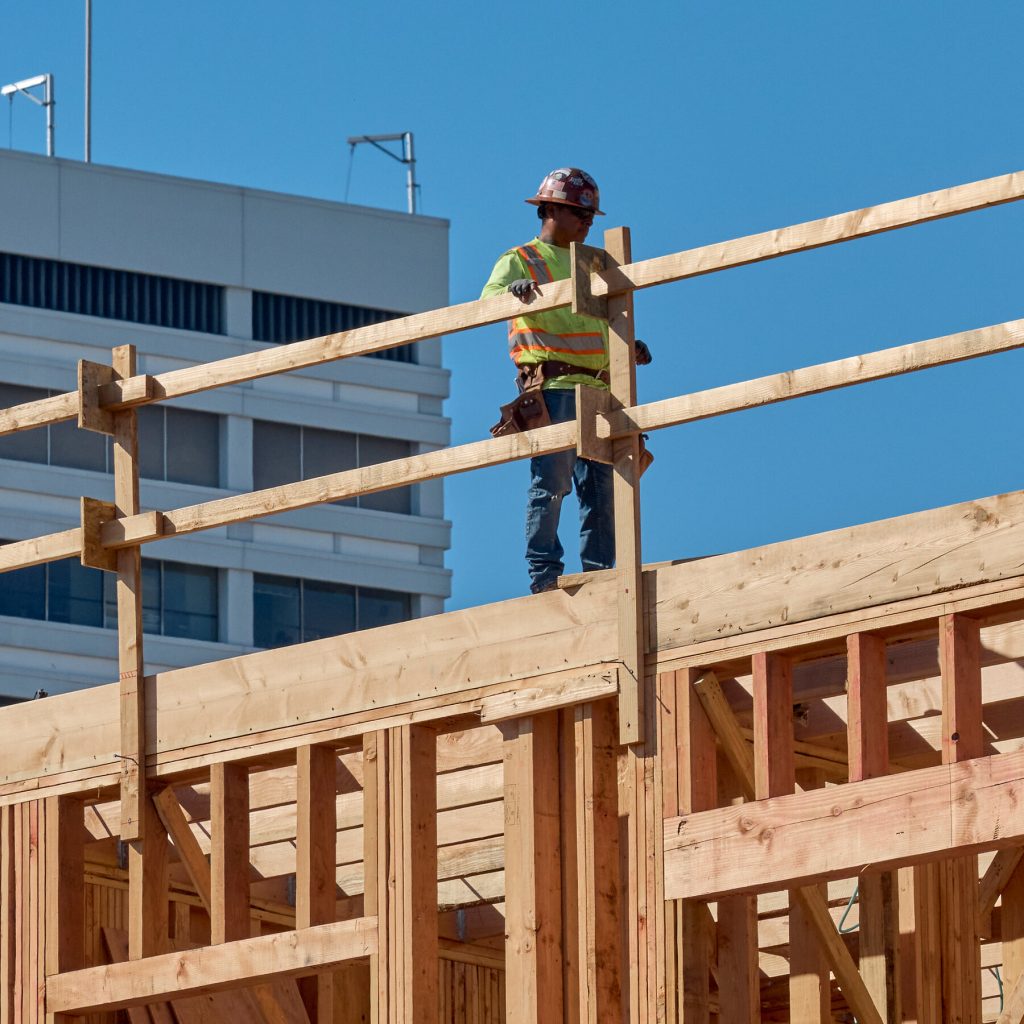
The construction industry is facing significant headwinds as a result of the Trump administration’s policies, including tariffs on imported materials and a crackdown on deportations. Builders are feeling the pinch as material costs rise, workers become scarce, and customers delay new construction plans.
The tariffs imposed on steel, aluminum, and other materials have led to a surge in costs for builders. Many construction companies are struggling to absorb the increased expenses, which are eating into their profit margins. “The tariffs are killing us,” said one builder, who wished to remain anonymous. “We’re having to raise our prices just to stay afloat, but it’s making it harder to compete with other contractors.”
The situation is being exacerbated by the scarcity of workers. The construction industry is heavily reliant on immigrant labor, and the Trump administration’s deportation policies have led to a shortage of skilled workers. Many undocumented immigrants who have been working in the construction industry for years are now too afraid to come to work, fearing that they will be deported.
As a result, builders are struggling to find qualified workers to complete projects on time. “We’re having to turn down work because we just can’t find the labor to do it,” said another builder. “It’s frustrating, because we know there’s a demand for new construction, but we can’t meet it.”
The combination of rising material costs and worker scarcity is causing customers to delay new construction plans. Homebuyers and businesses are hesitant to commit to new projects, fearing that costs will continue to rise. “We’re seeing a lot of uncertainty in the market right now,” said a construction executive. “Customers are putting projects on hold, waiting to see what happens next.”
The construction industry is a significant contributor to the US economy, and the challenges it faces are having a ripple effect throughout the country. As the Trump administration continues to implement its policies, builders are hoping that it will take steps to address the issues they are facing. Until then, they will continue to struggle with the hardship caused by tariffs and deportations.