Aydın,
-4°C
açık

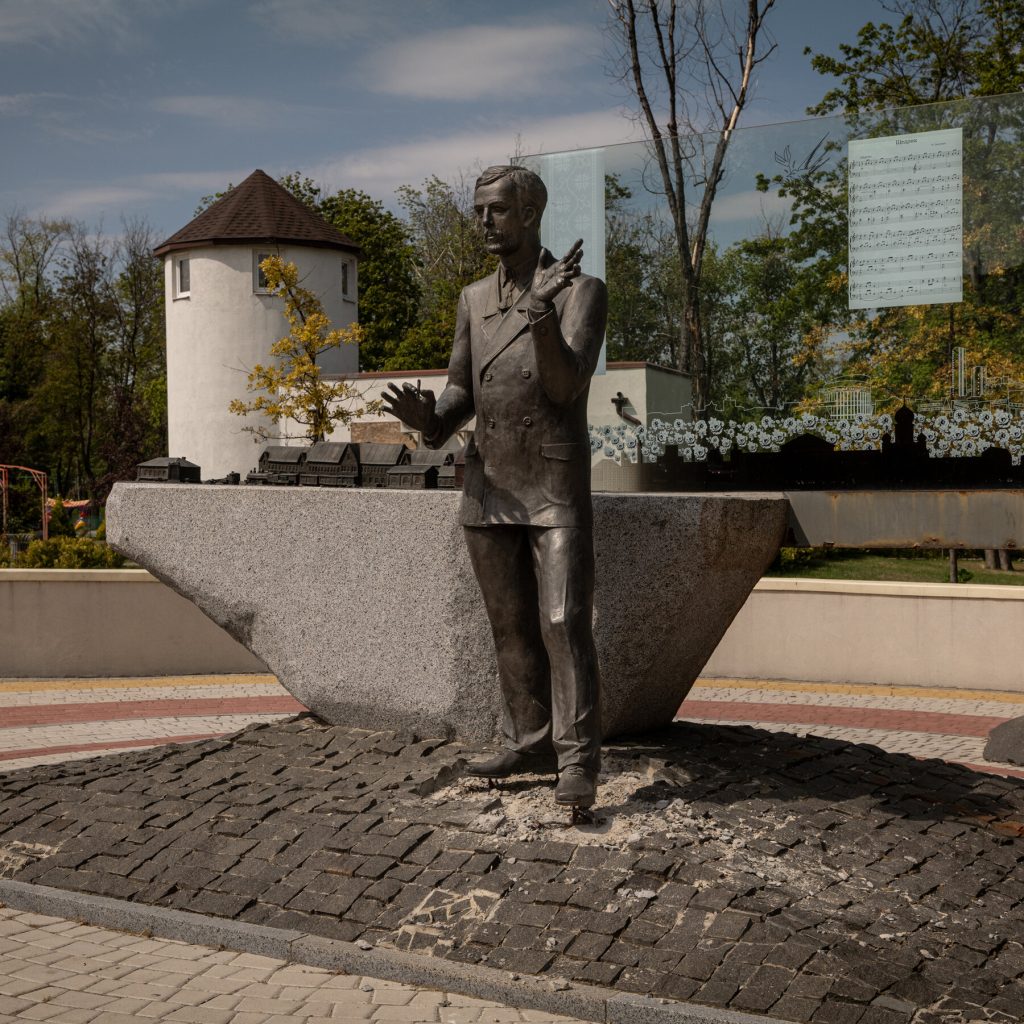
The haunting notes of Shchedryk—known worldwide as “Carol of the Bells”—once drifted over the streets of Pokrovsk, a city in eastern Ukraine where composer Mykola Leontovych spent his final years. Residents would gather in parks and public squares to hear the beloved carol echoing from church bells and community choirs during the holiday season.
Leontovych, born in 1877, is celebrated for transforming a traditional Ukrainian folk chant into a masterpiece that transcended borders. After moving to Pokrovsk in the early 20th century, he became a cultural fixture, teaching music, organizing concerts, and inspiring a generation of Ukrainian artists.
Since the onset of the Russian invasion, Pokrovsk has endured relentless bombardment. Months of artillery fire and air strikes have reduced much of the city’s cultural infrastructure to rubble. Statues, plaques, and the modest museum dedicated to Leontovych’s life have been either destroyed or heavily damaged, erasing the physical reminders of his legacy.
Even as the city’s landmarks crumble, the memory of Leontovych’s music persists in the hearts of its people. Underground gatherings, often held in basements or shelters, feature impromptu performances of Shchedryk, offering a brief, defiant moment of hope amid the chaos.
Humanitarian and cultural organizations have urged the global community to document and protect what remains of Pokrovsk’s artistic heritage. Efforts are underway to digitize surviving manuscripts, record testimonies from local musicians, and create virtual exhibitions that can survive even if the city’s streets cannot.
While the sounds of bombs now dominate the skyline, the enduring resonance of “Carol of the Bells” serves as a reminder that art can survive even the harshest of wars. As reconstruction plans begin to take shape, many hope that future generations will once again hear Leontovych’s melodies filling the air of Pokrovsk—this time, not as a memory of loss, but as a celebration of resilience.